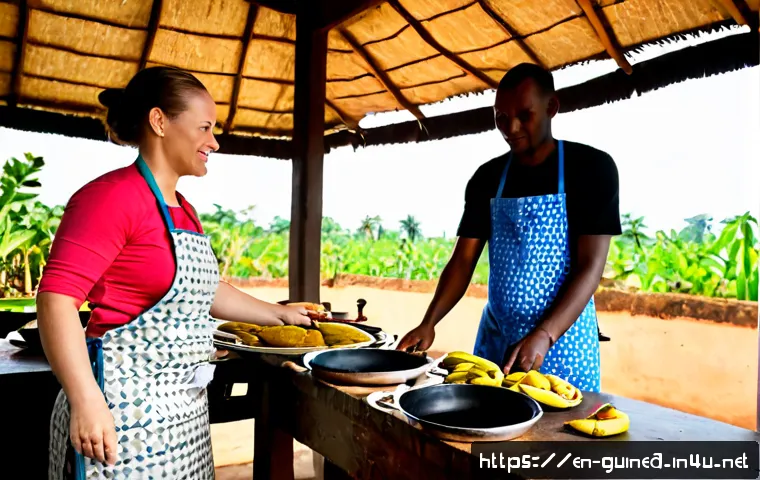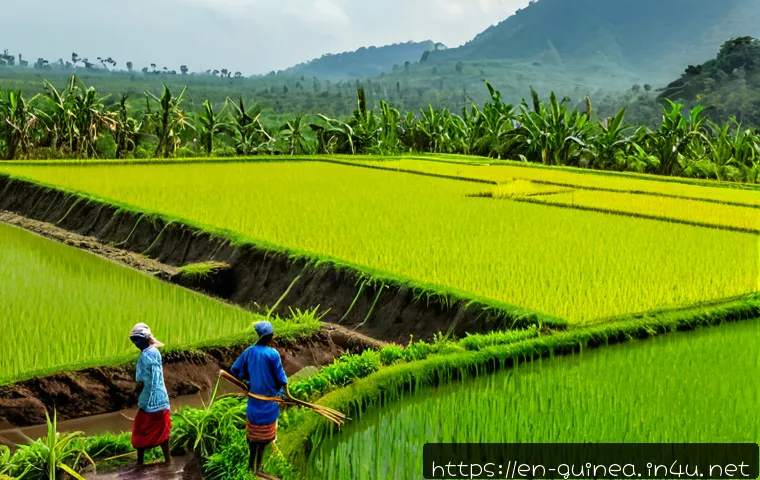
Guinea’s key crops include rice, cassava, maize, groundnuts, plantains, bananas, and palm products, while coffee and cocoa can serve higher-value supply chains in suitable areas.
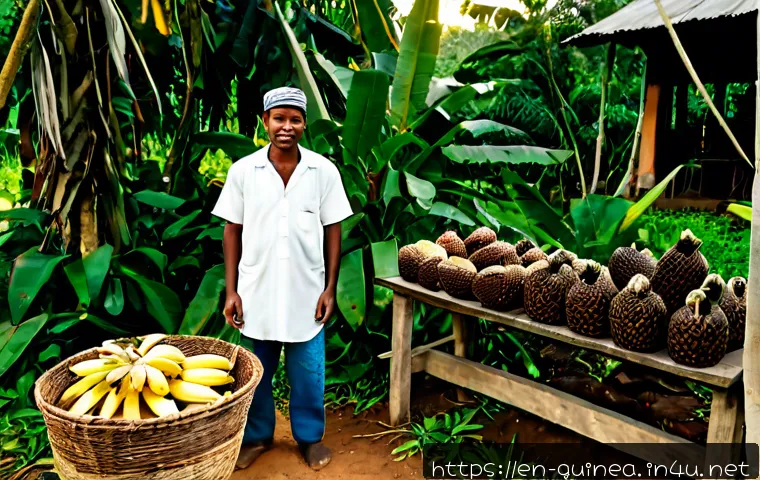
For buyers, the strongest starting point is to match the crop with its intended use, storage needs, and realistic transport conditions before discussing price.
Rice and cassava are central to everyday food supply, whereas groundnuts, palm oil, coffee, and cocoa may offer processing or market opportunities. However, rainfall, road access, storage capacity, and local market conditions can affect available volume and delivery reliability.
This makes supplier verification more useful than relying on broad assumptions about crop availability. A structured comparison can also help processors choose suitable equipment, handling systems, and quality-control steps.
At a Glance
- Core food crops: Rice, cassava, maize, and groundnuts are widely important for household food and local markets.
- Market and processing crops: Plantains, bananas, edible palm oil, cassava flour, and groundnut products can support local trade and value-added processing.
- Main sourcing limitation: Crop output and delivery conditions can vary with rainfall, roads, storage capacity, and local market conditions.
| Crop Category | Main Market Use | Possible Processing Options | Storage or Handling Sensitivity | Buyer Verification Focus |
|---|---|---|---|---|
| Rice | Staple food and local trade | Milling and grading | Dry storage and moisture control | Available quantity, grain quality, storage conditions |
| Cassava | Household food and local markets | Flour, chips, fermented foods | Fresh roots require prompt handling | Processing capacity, product form, transport timing |
| Maize and Groundnuts | Food, feed, local trade, cooking oil | Feed ingredients, oil, cleaned or graded products | Dry storage and protection from quality loss | Moisture control, grading, packaging, minimum order terms |
| Plantains, Bananas, and Palm Products | Food security and domestic market trade | Edible palm oil and food products | Perishable fruit needs careful transport; oil needs suitable containers | Harvest timing, road access, handling method, product consistency |
| Coffee and Cocoa | Specialty or export-oriented supply chains | Post-harvest preparation and quality sorting | Quality preservation and traceability checks | Grade, traceability, certification status, supplier capacity |
The Short Answer: Guinea’s Most Important Food and Market Crops
Rice, cassava, maize, and groundnuts as core staple crops
Rice, cassava, maize, and groundnuts are among the most practical crops to understand when assessing Guinea’s agricultural landscape. Rice is a major staple and is cultivated in several production environments, including upland and lowland areas. Cassava is widely grown because it is a hardy staple crop and can be sold fresh or turned into flour, chips, and fermented foods.
Maize is important for food and feed uses and is often grown by smallholder farmers. Groundnuts support household consumption, local-market sales, cooking oil, and livestock-feed uses. For a food buyer or agribusiness planner, these crops are relevant because they connect directly with everyday demand rather than only niche export channels.
The caution is simple: a crop’s importance does not automatically mean it is available in a consistent commercial volume. Supplier capacity, storage practice, road access, and delivery arrangements should be checked before treating any staple crop as a dependable procurement line.
Plantains, bananas, and palm products in local food markets
Plantains and bananas are grown in suitable humid areas and matter for food security and local trade. They can be attractive for local distribution businesses, but their perishable nature changes the sourcing calculation. A buyer needs to consider harvest timing, packing, road conditions, and the time needed to reach a market or processing point.
Oil palm products are also part of Guinea’s agricultural economy, particularly edible palm oil used in domestic markets. Palm oil may be less time-sensitive than fresh fruit, but buyers still need to assess product consistency, container suitability, handling hygiene, and storage conditions. These practical checks can matter more than a headline offer.
Coffee and cocoa as higher-value crop categories in suitable regions
Coffee and cocoa are grown in some forested and higher-rainfall parts of Guinea. They may fit specialty or export supply chains, especially where a buyer has clear quality requirements and a structured supplier relationship. However, it is not safe to assume that a particular farm, cooperative, or region can meet export-volume, certification, or traceability requirements without direct verification.
For coffee and cocoa procurement, ask for clear information on quality grading, post-harvest handling, traceability, and available delivery terms. These crops can be commercially interesting, but they require more than a general statement that the crop is grown in the country.
Crop Comparison for Food Buyers, Processors, and Agribusiness Planners
Main use: household food, local trade, processing, or export
A useful first decision is whether the crop will be purchased for household-food distribution, local retail, industrial processing, livestock feed, or a more specialized export channel. Rice and cassava are closely linked to staple-food demand. Maize can serve food and feed markets. Groundnuts can move into food, oil, and feed uses.
Plantains, bananas, and palm products are more closely tied to domestic food markets, although processed forms may extend their commercial usefulness. Coffee and cocoa are the categories most likely to fit specialty or export-oriented sourcing, provided the supplier can demonstrate the needed quality and handling standards.
Choose the end market before choosing the crop. A processor seeking cassava flour has different needs from a trader seeking fresh cassava roots. Likewise, a buyer seeking groundnuts for oil needs different checks than a buyer purchasing them for packaged food.
Storage and transport considerations for perishable and dry crops
Dry crops such as rice, maize, and groundnuts require reliable moisture management and storage protection. If storage is weak, quality can decline before the product reaches a buyer. Ask how the crop is dried, where it is stored, how long it may remain in storage, and whether lots are separated by quality or origin.
Fresh cassava, plantains, and bananas create a different challenge. They depend on quick movement from harvest to market or processing. When road access is difficult or transport is delayed, a fresh-product plan may become less attractive than a processing plan. Cassava flour, chips, or fermented products may offer a more manageable route where fresh-root logistics are uncertain.
When comparing agricultural sourcing options, include the likely need for drying equipment, storage systems, cleaning tools, milling equipment, oil-processing equipment, or packaging materials. The right equipment depends on the crop form and the intended buyer, not simply the crop itself.
Where value-added processing may change the economics
Trading raw crops is not always the only option. Cassava can be processed into flour, chips, and fermented foods. Groundnuts can move into cooking oil or feed-related uses. Palm products can support edible palm-oil supply for domestic markets. Rice may require milling and grading before it is ready for a particular buyer segment.
Local processing may add value when it improves shelf life, reduces transport challenges, or better matches local consumer demand. But it also adds operational questions: Is there dependable raw-material supply? Can the processor control moisture and cleanliness? Is there adequate storage? Can finished products move reliably to buyers?
A processing project should not assume that raw material will remain available at a steady volume. Compare crop availability, processing capacity, storage needs, and transport access together.
Rice and Cassava: The Foundation of Everyday Food Supply
Why rice remains strategically important
Rice is a major staple food crop in Guinea and is cultivated across several production environments, including upland and lowland areas. Its importance to daily food consumption makes it relevant to local traders, food distributors, millers, and organizations evaluating staple-food supply chains.
For procurement, the main questions are not limited to rice availability. A buyer should clarify the form offered, such as paddy or milled rice, and identify how grain is handled after harvest. Moisture control, storage practice, milling arrangements, and quality grading can shape whether the product meets a specific market need.
Cassava products and processing considerations
Cassava is a hardy staple crop with several possible end uses. Fresh roots can supply food markets, while flour, chips, and fermented foods may suit processors and traders looking for products with different handling requirements. This flexibility is one reason cassava deserves attention from small agribusiness planners.
The central operational issue is timing. Fresh cassava requires prompt handling, so a buyer should identify where processing occurs and how roots are moved from farm to processor. If this chain is uncertain, purchasing processed cassava products may be more practical than organizing a fresh-root supply arrangement.
Common quality and post-harvest checks
For rice and cassava, practical checks should cover the condition of the crop at collection, the storage environment, the product form, and the handling process. Ask suppliers whether lots are separated, whether the product is dried or processed soon after harvest, and how it is protected during transport.
Where the intended purchase is significant or technically specific, a sample review or third-party inspection may be worth considering. This is especially useful when a buyer needs a consistent processed product, has a defined quality specification, or must make decisions before arranging transport.
Groundnuts, Maize, Plantains, and Palm: Local Market and Processing Potential

Groundnuts for food, oil, and feed markets
Groundnuts have several market pathways in Guinea. They are used for household consumption, sold through local markets, used for cooking oil, and connected with livestock-feed uses. This range can make groundnuts relevant for traders as well as processors.
A groundnut buyer should confirm intended use first. Whole nuts for food, oil-bearing material for processing, and feed-oriented supply may require different quality checks and packaging decisions. Dryness, cleanliness, storage, grading, and lot consistency should be discussed before comparing offers.
Maize for household consumption and livestock feed
Maize is an important food and feed crop, often grown by smallholder farmers. Its dual role can create demand from food buyers and livestock-related businesses. For feed planning, however, do not assume a supplier can provide a particular quantity or regular delivery schedule without checking directly.
Storage is a key issue for maize. Buyers should ask about drying, storage duration, and transport arrangements. A feed mill or food processor may also need to consider cleaning, grinding, and storage equipment as part of the total sourcing plan.
Plantain, banana, and palm oil handling challenges
Plantains and bananas can support local food markets in suitable humid areas, but they are sensitive to handling and transport delays. Their sourcing potential depends heavily on whether harvest, loading, road access, and market delivery can be coordinated within a practical time frame.
Edible palm oil has a different profile. It is part of domestic-market food supply and can be more suitable for trading or distribution than fresh fruit. Still, buyers should check product condition, container handling, storage method, and supply consistency rather than assuming that all palm oil is interchangeable.
Practical Sourcing Risks: Seasonality, Storage, Roads, and Quality Control
Questions to ask before comparing supplier offers
Before requesting a quote, ask what crop form is available, where it is collected or processed, and whether the supplier can explain storage and transport arrangements. Confirm the expected delivery point, packaging method, and minimum order requirements. These details are often more useful than an early conversation focused only on farm-gate price.
For processed products, ask what equipment or process is used for drying, milling, pressing, cleaning, or packaging. For fresh crops, ask how soon the product can move after harvest. The answers can reveal whether a supply offer is aligned with your actual operating needs.
Avoiding assumptions about volume, grade, and delivery reliability
Guinea grows a range of staple and market crops, but exact production volumes by region, season, or supplier should be verified directly. The same applies to quality grades, pesticide practices, certification status, traceability, contract terms, and commercial export availability.
Rainfall patterns, road access, storage capacity, and local market conditions can all affect crop output and movement. A buyer should avoid treating a broad crop profile as proof of consistent supply. Request supplier-specific evidence before planning a purchase, processing line, or delivery schedule.
When third-party inspection or sample testing may be worthwhile
Inspection or sample testing may be useful when product quality is critical, when the supply chain is new, or when a buyer intends to make a larger procurement commitment. This can be particularly relevant for rice, groundnuts, processed cassava products, coffee, cocoa, and edible palm oil.
The goal is not to create unnecessary complexity. It is to verify the characteristics that matter for the intended use: moisture condition, cleanliness, grading, product form, packaging, and consistency. A practical check early in the process can reduce uncertainty later.
Selection Criteria and Comparison Summary
Choose crops based on end use, shelf life, and processing capacity
Start with the buyer’s end use. Rice and cassava fit core food supply, while maize and groundnuts can serve food, feed, and processing channels. Plantains and bananas require faster handling, while palm products may fit domestic distribution models. Coffee and cocoa require closer attention to quality and traceability for specialty or export-oriented purchasing.
Compare total landed cost, not only farm-gate price
A low farm-gate price does not necessarily mean a low final cost. Add the expected costs and practical burden of collection, drying, storage, packaging, road transport, processing, quality checks, and possible losses during handling. This comparison is especially important for fresh cassava, plantains, and bananas.
A final checklist for buyers and project planners
Compare supplier capacity, quality checks, and logistics before requesting a quote. Confirm the crop form and intended use; check moisture control and storage conditions; ask about transport access and delivery timing; verify minimum order requirements; and assess whether processing equipment is needed before the crop can reach the target market. For equipment options, processing specifications, or storage-system details, review the relevant supplier or manufacturer page before making a procurement decision.
In Closing
Guinea’s agricultural profile is built around staple-food crops, local-market products, and selected higher-value crops grown in suitable areas. Rice and cassava are central starting points, while maize, groundnuts, palm products, plantains, bananas, coffee, and cocoa serve different market roles. The best sourcing choice depends on the intended product, handling capacity, and logistics rather than on crop popularity alone. Direct supplier verification remains essential before making commercial commitments.
Useful Information to Keep in Mind
1. Dry crops need careful moisture control and storage planning.
2. Fresh cassava, plantains, and bananas require realistic transport timing.
3. Processing can improve shelf life and market fit, but it also requires dependable raw material and suitable equipment.
4. Coffee and cocoa may require stronger checks for grade, traceability, and supply-chain documentation.
Important Considerations
Current farm-gate prices, export prices, contract terms, exact regional volumes, farm certification status, pesticide practices, and the commercial export capacity of individual suppliers are not established here. These points require direct confirmation from farms, cooperatives, processors, traders, or independent inspectors. Crop availability can also change with rainfall, road access, storage conditions, and local market demand.
Frequently Asked Questions
Q1. What is the most important crop grown in Guinea?
A1. Rice is a major staple food crop in Guinea and is cultivated in several environments, including upland and lowland areas. Cassava, maize, and groundnuts are also widely important for household food and local markets.
Q2. Which Guinea crops are most suitable for food processing businesses?
A2. Cassava can be processed into flour, chips, and fermented foods. Groundnuts can support cooking-oil and feed-related uses, while rice may require milling and grading. Palm products are also relevant for edible-oil supply. The most suitable option depends on raw-material access, storage, equipment, and transport conditions.
Q3. What should an international buyer check before sourcing rice, cassava, or groundnuts from Guinea?
A3. Check supplier capacity, product form, moisture control, storage conditions, quality grading, transport access, packaging, and minimum order requirements. Also verify delivery reliability, traceability, certification status, and available export quantities directly with the supplier, as these cannot be assumed from general crop information alone.