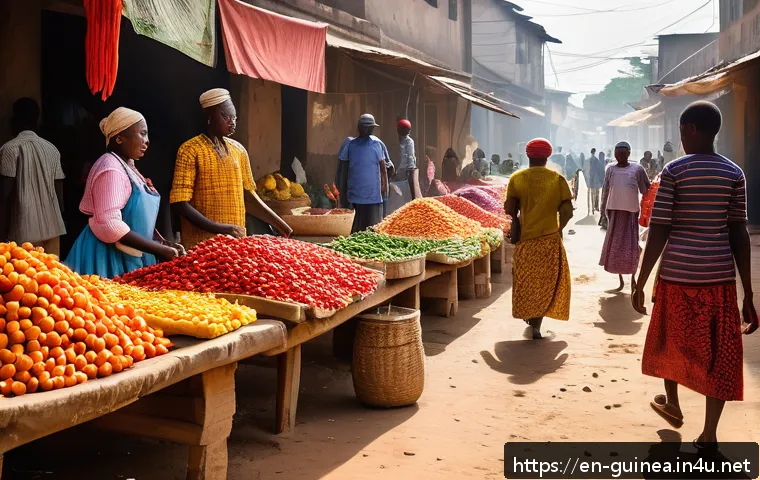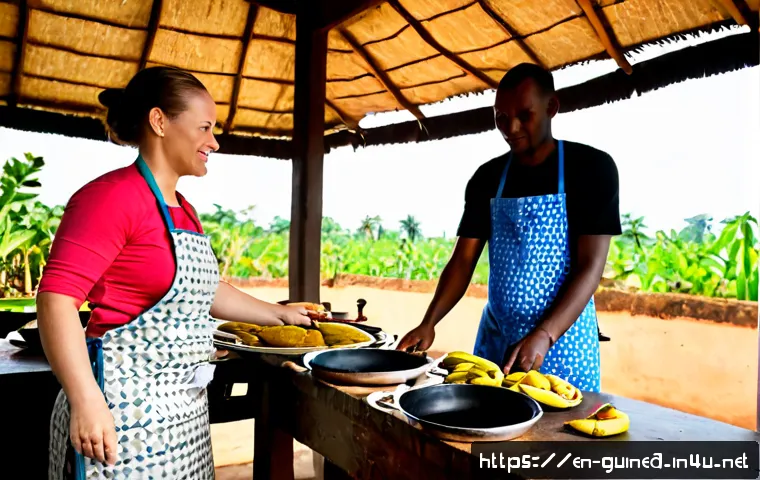
A private Guinean cooking session is usually worth considering when you want menu flexibility, direct interaction with the host, or help arranging transport and language support.
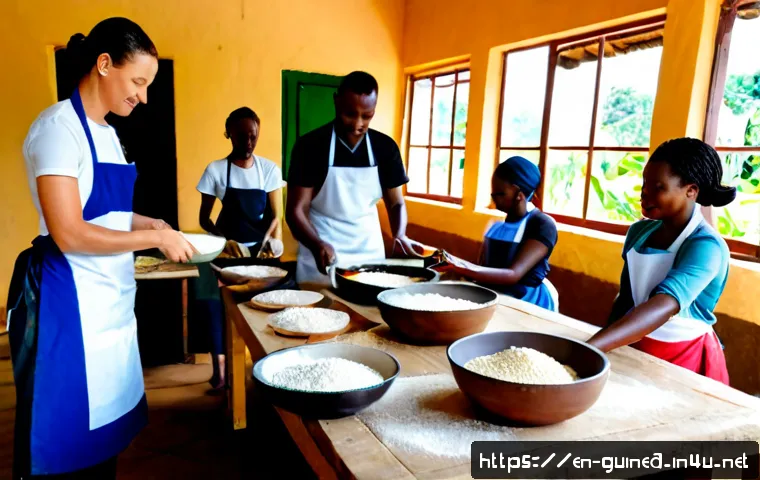
A small-group class or market-to-table cultural tour may be a better fit if you prefer a shared activity and a simpler booking process. Before choosing any option, compare what is included rather than looking only at the advertised class fee.
Confirm the location, market visit, ingredients, kitchen setup, transport, payment method, and cancellation terms directly with the provider. Guinea uses the Guinean franc (GNF), so ask for all expected costs in GNF and clarify whether market purchases are part of the price.
The strongest choice is the one that matches your travel schedule, comfort needs, and interest in learning beyond the final meal.
At a Glance
- Private sessions can offer more menu flexibility, but transport, ingredients, and language support should be confirmed separately.
- Market-to-table experiences may include shopping for ingredients before cooking, depending on the host and format.
- Ask for the full cost in Guinean francs (GNF), including possible transport, market purchases, and meal add-ons.
| Format | Best for | What to Compare Before Booking |
|---|---|---|
| Private home cooking session | Travelers seeking flexibility and closer cultural exchange | Menu choice, host language, kitchen location, transport, dietary requests, ingredient costs |
| Small-group cooking lesson | Visitors who prefer a shared activity and a more structured format | Group size, hands-on time, included food, meeting point, interpretation, cancellation terms |
| Hotel-arranged activity | First-time visitors who value help with logistics | Whether the hotel is arranging transport, who leads the session, total inclusions, timing |
| Market-to-table cultural tour | Food-focused travelers interested in ingredients and local shopping | Market visit length, purchases included, cooking participation, walking needs, return transport |
What a Hands-On Guinean Cooking Experience Can Include
A hands-on cooking experience in Guinea can be as simple as preparing a meal with a local host or as detailed as a market visit followed by cooking and a shared table. The exact structure varies by provider, city, kitchen access, and available ingredients. In Conakry, coastal areas, and inland regions, both cooking methods and ingredient availability may differ. Do not assume that a market visit, transport, or English-language support is automatically included.
Three Quick Points to Confirm Before You Book
First, ask what you will actually do. Some activities may be mostly demonstrations, while others may let guests help shop, chop, cook, and serve. Second, confirm where the session takes place and how you will get there. Third, ask which costs are included in the stated price, especially ingredients, market purchases, local transport, and any extra meal or beverage.
A good booking message is short and specific: ask for the planned menu, start and finish time, meeting point, language support, and total expected payment in GNF. If an answer is unclear, treat that as a reason to compare another local experience booking option rather than guessing.
From Market Ingredients to a Shared Meal
Market shopping can be one of the most useful parts of a cooking activity because it introduces the ingredients before they reach the kitchen. It may also require extra time, walking, and direct discussion about what is being bought. Ask whether the host chooses the ingredients, whether you can participate in the selection, and whether purchases are already covered by the class fee.
The shared meal is often the natural finish of the activity. Confirm whether the meal is for participants only, whether drinks are included, and whether the session includes a recipe explanation you can follow later. These details matter more than a vague promise of an “authentic” experience.
Typical Dishes and Ingredients to Discuss with the Host
Rice is a major staple in Guinea and appears in many everyday meals. Common ingredients also include peanuts, cassava, plantains, leafy vegetables, fish, and chicken. Rather than requesting one fixed dish without context, ask the host what can reasonably be prepared with seasonal or locally available ingredients at the time of your visit.
If you have a particular interest, mention it early. You might ask whether the session can focus on a rice-based meal, a fish or chicken preparation, peanut-based flavors, or vegetable dishes using cassava, plantains, or leafy greens. Menu flexibility must be confirmed, not assumed.
Compare Class Formats, Inclusions, and Overall Value
The best value is not always the lowest listed fee. A lower-cost class can become less convenient if it excludes transport, ingredients, or a clear meeting arrangement. A higher-priced private session can make sense when it solves practical issues such as scheduling, a tailored menu, or more direct support from the host.
Private Home Cooking Session vs. Small-Group Lesson
A private session may suit travelers who want to ask more questions, move at their own pace, or discuss dietary needs in advance. It may also be useful when your itinerary is tight and you need a specific start time. However, you should confirm whether private transport, market purchases, and interpretation create additional costs.
A small-group lesson may be a practical alternative if you enjoy meeting other travelers and do not need a customized menu. Check whether each guest participates in cooking or whether the group mainly watches. Learning depth, flexibility, and total cost are the main decision points—not simply private versus group.
Hotel-Arranged Activity vs. Independent Local Host
A hotel concierge may help coordinate an activity, which can be reassuring for travelers who are unfamiliar with local logistics. Ask whether the hotel is only making an introduction or whether it is also confirming the schedule, transport, payment terms, and provider details. A hotel-arranged session is still worth evaluating by the same standards as any independent option.
An independent local host may offer a more personal format or a more direct market-to-kitchen experience. In return, you may need to take greater care in confirming communication, meeting arrangements, and payment details. When comparing guided food tours and independent hosts, look for clear answers rather than polished descriptions alone.
Costs to Confirm in GNF Before Agreeing to a Price
Ask for the expected total in GNF. Separate the listed class fee from any possible extra expenses: transport to the meeting point, transport from the market to the kitchen, ingredient purchases, tips, beverages, and optional meal add-ons. If a provider quotes only one broad number, ask what that number covers.
Also confirm when and how payment is expected. Payment methods, cancellation terms, and refund arrangements can vary. Keep the agreed inclusions in writing through the booking message or confirmation. This is especially useful when arranging a local experience through a concierge, tour contact, or independent host.
How to Arrange a Cooking Session in Guinea
Planning is often more important than finding a long list of choices. Current availability can vary by city and region, so start with your dates and location. If you are staying in Conakry, ask your accommodation concierge whether they can recommend or help contact a provider, then compare the details with other available cultural tours or local hosts.
Questions to Ask About Location, Timing, and Language
Ask where the activity begins, how long it is expected to last, and whether the kitchen is close to your accommodation or requires a separate journey. If you need English support, ask directly who will provide it and during which parts of the session. Do not assume that an English booking message means that the cooking instruction itself will be in English.
Useful questions include: “Is the market visit included?” “Will we cook the meal ourselves?” “What language will be used during the class?” and “Can you confirm the meeting point and finishing point?” These practical details can make a short cultural activity feel organized rather than rushed.
Confirming Market Visits, Transport, and Payment Method
A market visit may be central to the experience, optional, or unavailable on the day you book. Confirm whether transport is included between your accommodation, the market, and the kitchen. If it is not included, ask what arrangement the provider recommends and whether you should budget separately for it.
For payment, request a clear explanation of the accepted method and the full amount due in GNF. Confirm transport and ingredient costs in writing before you agree to the booking. If you are comparing travel insurance options for your wider trip, review the policy terms yourself for activities, transport, and other trip-specific needs; coverage should never be assumed from a general description.
What to Bring for a Practical, Comfortable Session
Choose comfortable clothing that you do not mind using in a working kitchen. Closed, secure shoes can be more practical for a market visit or food preparation area. Bring only what the host says is necessary, and keep valuables to a minimum when shopping in busy places.
If you use medication, have allergies, or require a particular food arrangement, carry the information in a simple written form that can be shared with the provider. This does not guarantee accommodation, but it makes early communication clearer.
Food Safety, Dietary Needs, and Common Booking Mistakes
Food safety and dietary needs deserve a direct conversation before booking. Individual providers may differ in kitchen practices, water arrangements, food storage, and their ability to adapt a menu. A polite, specific question is more useful than assuming that a host follows the same routines you use at home.
Allergies and Dietary Restrictions: Communicate Them Early
Peanuts, fish, chicken, leafy vegetables, cassava, plantains, and rice can all appear in Guinean cooking. If you have an allergy, vegetarian diet, mobility requirement, or another restriction, contact the host before committing. Ask whether cross-contact can be discussed, whether ingredients can be changed, and whether the host is comfortable with the request.
Do not treat a “yes” as enough on its own. Ask what dish is planned and which ingredients will be used. If the response is uncertain, choose a simpler meal format or another provider rather than relying on an informal assumption.
Kitchen Hygiene and Drinking-Water Considerations
Ask practical questions about where food preparation happens, how ingredients will be handled, and what drinking-water arrangement is available during the session. This is not a judgment on any individual home or kitchen; it is a normal part of choosing a food activity while traveling.
Observe the situation when you arrive and make a decision that matches your own comfort level. If something important differs from what was confirmed, raise the issue before the activity begins rather than after the meal is prepared.
Avoiding Unclear Prices and Last-Minute Extra Charges
The most common planning mistake is focusing on the headline fee while leaving the rest undefined. Ask whether the price includes ingredients, market purchases, transport, the prepared meal, and any guide or interpreter support. Clarify whether tips are expected rather than assuming they are included or required.
Another mistake is booking a session without checking the finishing time. A market visit, cooking process, and shared meal can take longer than a quick food tour. Build enough room into your itinerary, particularly if you have onward transport or other fixed plans.
Choose the Right Experience for Your Travel Style
Your ideal format depends on why you want to cook in Guinea. Some travelers want a reliable introduction to ingredients and flavors. Others want extended conversation with a host. Others simply want a meaningful meal during a short stay. Match the format to your actual time, confidence with logistics, and interest in participation.
Best Fit for First-Time Visitors to Guinea
First-time visitors may prefer a hotel-arranged activity, a clearly organized cultural tour, or a host who can confirm the meeting point and transport plan in advance. The key benefit is not luxury; it is fewer unanswered logistical questions. A well-explained schedule can be more valuable than an ambitious menu.
Best Fit for Travelers Seeking Deeper Cultural Exchange
A private cooking session or market-to-table format may be a better fit for travelers who want more time to ask about ingredients, household cooking habits, and meal preparation. Look for a provider willing to discuss the menu and shopping plan before the day. Be respectful of the host’s schedule and understand that ingredient availability can shape the final meal.
Best Fit for Short Stays and Tight Itineraries
If you have limited time in Conakry, a session without a lengthy market visit may be the most practical option. Ask for a defined start and end time, a location that is easy to reach, and a clear list of inclusions. A shorter cooking-and-meal experience can still be worthwhile when it is planned honestly.
Selection Criteria and Comparison Summary
Before booking, compare the total price in GNF, menu and ingredient inclusions, market visit details, transport plan, language support, and dietary flexibility. Ask whether you will actively cook or mainly observe. Confirm the meeting point, expected end time, payment method, and cancellation terms in writing. Compare inclusions before booking, especially when one option appears cheaper than another. For a hotel concierge service, guided food tour, or independent host, check the provider’s page or direct confirmation for the exact conditions.
A Final Checklist for Comparing Providers
Choose the provider that gives clear answers to the following: What will we cook? Where do we meet? Is transport included? Are market purchases included? Can dietary needs be discussed? What is the total expected amount in GNF? These questions create a fair comparison across private hosts, group classes, and accommodation-arranged activities.
When Paying More Delivers Meaningful Value
Paying more can be reasonable when the added cost clearly delivers something you need: private timing, transport coordination, a market visit, closer instruction, menu discussion, or more dependable language support. The value is in the confirmed inclusion, not in a vague label such as “premium” or “exclusive.”
When a Simpler Market-and-Meal Experience May Be Enough
A simpler option may be enough if your main goal is to see local ingredients, help with a few cooking steps, and share a meal. For many travelers, that can be more suitable than a long private lesson. Just make sure the scope, timing, and costs are clearly explained before you go.
Final Thoughts
A hands-on Guinean cooking experience can add a practical and memorable food element to a trip, especially when it includes clear communication rather than assumptions. Start with the format that suits your travel style, then compare the full set of inclusions. Private, group, hotel-arranged, and market-to-table options can all offer value when the logistics are transparent. The best booking is one with a confirmed plan for food, timing, transport, and payment.
Useful Things to Know
1. Guinea’s currency is the Guinean franc (GNF).
2. Rice is a major staple food and may feature in many everyday meals.
3. Common ingredients include peanuts, cassava, plantains, leafy vegetables, fish, and chicken.
4. Cooking styles and ingredient availability can vary between Conakry, coastal areas, and inland regions.
5. A market visit may be included, optional, or unavailable depending on the host and activity format.
Important Notes
Specific class availability, prices, group sizes, cancellation terms, food-safety practices, transport arrangements, kitchen facilities, and interpretation quality must be confirmed directly with the provider. Dietary, allergy, vegetarian, mobility, and other accommodation requests may not be possible for every host. Do not rely on general descriptions when you need a particular level of support or a specific menu.
Frequently Asked Questions
Q1. How much should I budget for a cooking experience in Guinea?
A1. Ask each provider for the total expected amount in GNF. Separate the class fee from possible transport, market purchases, tips, drinks, and optional meal add-ons. Exact prices and inclusions vary, so a clear written breakdown is more useful than a general estimate.
Q2. Are cooking classes in Guinea suitable for travelers with food allergies or vegetarian diets?
A2. They may be suitable if the provider can discuss your needs in advance, but accommodation cannot be assumed. Explain your allergy or dietary restriction clearly, ask about planned ingredients and possible substitutions, and confirm whether the host is comfortable preparing the requested meal.
Q3. Is a private cooking session worth the extra cost compared with a group cultural tour?
A3. A private session may be worth more when you need flexible timing, a tailored menu, direct conversation, or help with transport and language support. A group cultural tour may be sufficient if you are comfortable with a fixed schedule and want a shared introduction to Guinean food. Compare the confirmed inclusions and total cost before deciding.