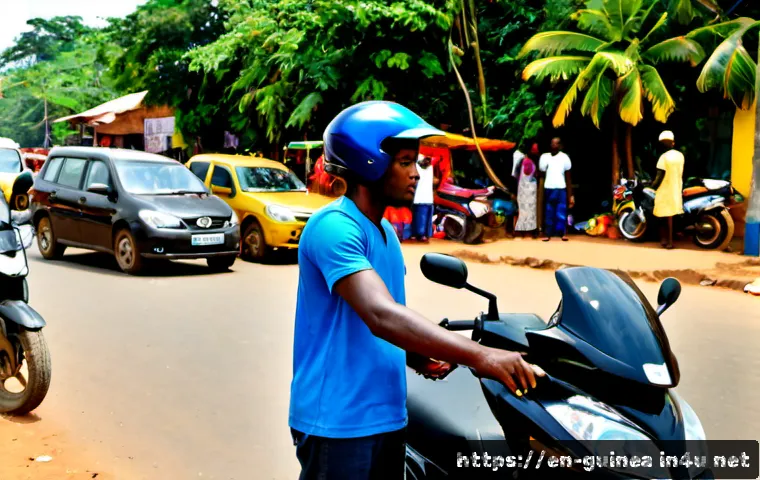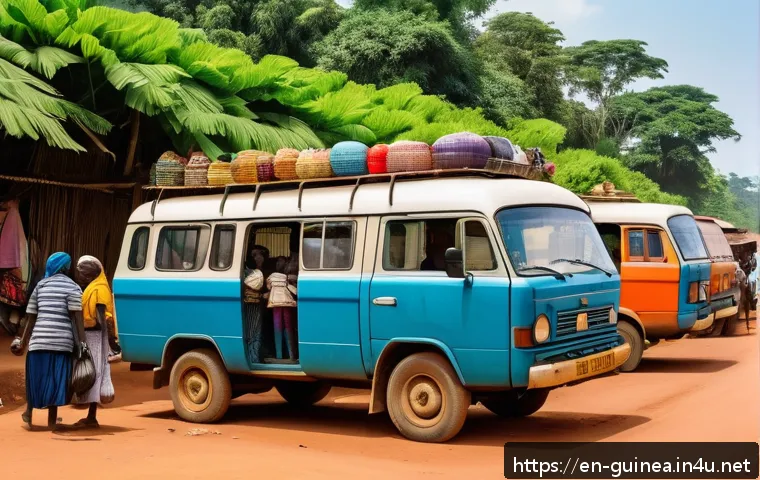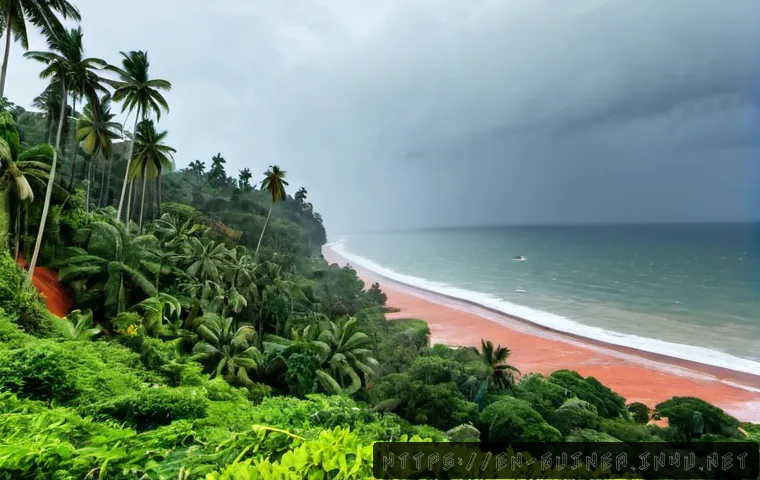
Guinea’s climate can feel very different between the coast, highlands, savanna, and forest zones. Compare regional rainfall patterns, travel conditions, transport needs, and planning factors before booking flights, tours, or lodging.
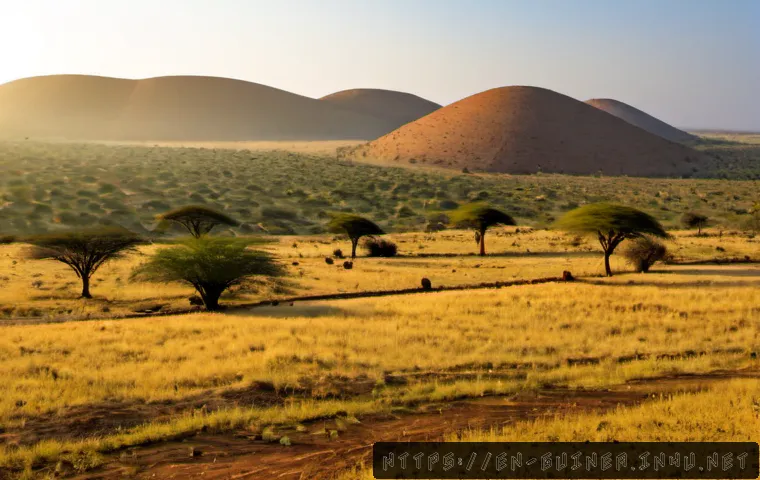
Guinea can feel like several different climates in one trip, so the best region depends on your comfort with humidity, elevation, heat, rain, and changing road conditions.
For easier planning, treat the coast, highlands, inland areas, and forest zones as separate travel environments rather than relying on one countrywide forecast.
Coastal stays suit travelers prepared for humid, rain-exposed conditions, while highland trips may feel cooler because of elevation. Inland and forest routes require more attention to transport reliability, route flexibility, and local weather updates.
Before booking flights, accommodation, guided tours, or vehicle hire, compare the likely travel friction as carefully as the destination itself. A lower upfront itinerary price may not remain the lower-cost choice if weather later requires route changes or private transport.
Quick Overview
- Coastal areas are a practical choice for city-based and seaside travel, but humidity and rain exposure can affect daily plans.
- Highland areas may feel cooler because of elevation and often need more careful preparation for hiking and changing conditions.
- Inland and forest routes should be planned around road access, flexible timing, and current local transport information.
| Region Type | Climate Feel | Likely Travel Challenge | Best Trip Style | Transport and Booking Consideration |
|---|---|---|---|---|
| Coastal | Humid, rain-exposed seaside conditions | Wet-weather disruption to outdoor plans | Short city stays, coastal visits | Check local forecasts and flexible accommodation terms |
| Highland | Potentially cooler at elevation | Changing conditions on hiking-oriented routes | Hiking, cultural routes, scenic travel | Confirm route access, footwear needs, and local guide availability |
| Inland Savanna | Warmer, more exposed travel environment | Long distances and road-trip logistics | Overland itineraries and regional exploration | Review vehicle suitability, fuel planning, and travel time |
| Forest Zone | Wetter landscape and rain-sensitive conditions | Access uncertainty and slower route changes | Remote nature-focused travel | Consider a local driver, 4×4 transport, or guided itinerary |
The Quick Answer: Why Guinea Can Feel Like Several Climates in One Trip
The most useful way to plan Guinea is to focus on region, elevation, and road access. Broad descriptions of the country include coastal, highland, inland, and forested landscapes, and each can create a different travel experience. A forecast for one city should not automatically determine how you pack or travel elsewhere.
Use Region, Elevation, and Road Access—Not Countrywide Averages—to Plan
Countrywide averages are limited planning tools when your itinerary crosses different landscapes. A coastal accommodation booking may involve humid conditions and rain exposure, while a highland route can require layers, stronger footwear, and more realistic hiking plans. Inland journeys can place more emphasis on heat, distance, and the reliability of the vehicle. Forest travel may demand the greatest flexibility because short-term weather and local road conditions can have a larger effect on access.
Before finalizing a route, ask a simple question: What happens if rain changes this day’s transport plan? If the answer is “the itinerary stops,” a more flexible booking, local driver, or guided tour may be worth comparing.
The Three Travel Decisions Weather Affects First: Timing, Transport, and Accommodation
Weather affects timing because outdoor activities, hikes, and long road journeys may need extra time. It affects transport because some routes can become more difficult when conditions are wet or when short-term weather events occur. It affects accommodation because a remote lodge may be harder to reach than a city hotel, especially if the route depends on local road access.
For travelers comparing options, prioritize change policies, transport arrangements, and current route updates before focusing only on the first price shown. This is especially relevant when booking flights, accommodation, travel insurance, guided tours, or private vehicle services.
Compare Guinea’s Main Climate Zones Before Building an Itinerary
Coastal Areas: Humidity, Rain Exposure, and City-Based Travel Considerations
Coastal travel is generally the most natural fit for visitors building a shorter itinerary around city services and seaside conditions. The key planning issue is not simply whether rain is possible, but whether humidity and wet weather will reduce the value of outdoor sightseeing, beach time, or local transport connections.
A coast-focused traveler can reduce friction by choosing accommodation with practical access to daily services and by keeping outdoor activities flexible. Pack rain protection that is easy to carry, rather than assuming hot weather means dry conditions. If your plan includes onward travel, confirm the current status of local transport close to departure.
Good fit: travelers who want a shorter visit, city-based lodging, and fewer remote-road dependencies. Watch for: relying on a single forecast or booking non-flexible activities that require clear weather.
Highland Areas: Elevation, Cooler Conditions, and Hiking-Oriented Planning
Highland areas can feel different from lower-lying parts of Guinea because elevation matters. Travelers interested in hiking, cultural routes, or scenic inland travel should prepare for cooler conditions than expected, while still recognizing that local weather can change quickly. A light layer, rain protection, and appropriate walking footwear are more useful than packing only for heat.
For hiking-oriented travel, the most important questions are practical: Is the route currently accessible? Does the activity depend on dry trails? Is a local guide recommended for navigation and changing conditions? These answers should come from current local sources, not from a broad seasonal assumption.
A guided hiking option can add value when it includes route knowledge and realistic timing. However, travelers should check exactly what transport, safety support, and weather-related changes are included before booking.
Inland Savanna Areas: Heat, Long Distances, and Road-Trip Preparation
Inland travel often shifts the planning focus toward distance, heat exposure, and road-trip readiness. Even if the weather appears manageable, a long route can become more demanding when road conditions change or services are spread out. Build an itinerary that allows time for delays rather than treating travel days as guaranteed sightseeing days.
A standard vehicle may be sufficient for some plans, but suitability depends on the specific route and current conditions. Check the road type, the expected distance between stops, and whether a vehicle provider can offer support if plans change. For longer routes, a private driver may provide useful flexibility, particularly when schedules are tight or connections matter.
Do not assume the cheapest rental or transport option is the best value. The relevant comparison is between the upfront cost and the possible cost of missed lodging, changed plans, or additional local transport later.
Forest Zones: Wetter Landscapes, Flexible Routing, and Local Guide Value
Forest-focused travel is often the most route-dependent option. Wetter landscapes can make local conditions more important than a general regional description, and access can be affected by road conditions, short-term weather events, and the availability of local transport. This does not mean forest travel should be avoided; it means it should be planned with room to adjust.
For a remote nature itinerary, consider whether a local driver, 4×4 service, or organized tour could reduce uncertainty. A local guide may also help travelers understand which routes are practical at the time of travel. Confirm whether the provider operates during heavy-rain periods and ask how route changes are handled.
Forest accommodation should be selected with access in mind. Check the arrival route, backup contact arrangements, cancellation terms, and whether the property can provide current local guidance before your journey begins.
Travel Value and Budget: When Paying for Flexibility Makes Sense
Standard Transport Versus Private Driver or 4×4 Planning
A standard vehicle can make sense for straightforward, accessible travel where road conditions and timing are already confirmed. A private driver or 4×4 service can be more relevant when the itinerary includes remote roads, rain-sensitive routes, long inland distances, or multiple connections that are difficult to replace.
The choice is not automatically about comfort. It is about matching the transport setup to the consequences of delay. If a missed connection only changes a casual afternoon plan, basic transport may be acceptable. If it affects a remote lodge arrival, a hike, or a limited travel window, paying for more flexibility may be easier to justify.
How Weather Disruptions Can Change the Real Cost of a Lower-Priced Itinerary

A low upfront price can be appealing, but it may not include the cost of a changed route, an extra night, replacement transport, or a missed activity. Weather-related disruption is not certain, yet it is a planning risk worth considering when travel depends on remote access or tightly timed transfers.
Compare total trip resilience, not just the booking total. Look at cancellation conditions, alternate transport options, luggage needs, and whether the itinerary has enough unplanned time. Travel insurance can also be part of the comparison, but travelers should read the policy terms carefully rather than assuming all delays or route changes are covered.
Booking Accommodation with Cancellation and Route Flexibility in Mind
Accommodation selection matters most when a property is outside a main urban area or depends on a particular road route. Favor clear communication and flexible conditions where possible. Ask whether the property can confirm the best arrival method closer to the travel date and whether it can advise on local transport availability.
For coast and city stays, convenience may be the leading factor. For highland and forest stays, access certainty may deserve equal attention. A slightly higher-priced option with clearer arrival information can sometimes be the simpler choice.
Avoid These Climate-Planning Mistakes
Treating One City’s Forecast as a Forecast for the Whole Country
Guinea’s broad zones should not be treated as identical. A coastal forecast may be useful for a coastal stay, but it does not fully explain conditions in the highlands, inland areas, or forest zones. Check forecasts and local updates for the actual places on your route.
Underestimating Travel Time on Rain-Affected or Remote Routes
Do not fill every day with fixed activities when your itinerary includes longer or remote road travel. Leave buffer time for slower movement, changing local conditions, and transport uncertainty. This is especially important when an accommodation check-in, flight, ferry, or onward connection depends on arriving at a precise time.
Packing Only for Heat and Overlooking Rain Protection, Footwear, and Power Backups
Hot-weather packing alone may not suit every region. Bring rain protection, footwear appropriate for wet or uneven ground, and a practical way to keep essential electronics protected and charged. What you need will depend on your route, accommodation, and planned activities, so avoid copying a packing list without adapting it.
Match the Region to Your Trip Style
Best Planning Approach for Short City and Coast-Focused Visits
Keep the itinerary simple. Choose accommodation with convenient access, leave space for weather changes, and avoid making every activity dependent on dry conditions. This approach suits travelers who prefer predictable daily logistics and do not need to rely on remote-road travel.
Best Planning Approach for Hiking, Cultural Routes, and Highland Travel
Plan around elevation and local route conditions. Build in rest and weather buffer time, carry layers and suitable footwear, and check whether a local guide adds practical value. If hiking is the main reason for the trip, confirm the route status shortly before departure rather than relying only on seasonal expectations.
Best Planning Approach for Remote Nature and Forest-Focused Itineraries
Use a flexible schedule and treat access as a live planning factor. Compare guided transport, private drivers, and 4×4 options if your route includes remote or rain-sensitive roads. Choose lodging only after understanding how you will arrive, what happens if the route changes, and who can provide current local information.
Selection Criteria and Comparison Summary
Choose a Guinea region and travel setup by checking rain tolerance, heat tolerance, elevation, road uncertainty, schedule flexibility, and accommodation access. A coast-based trip may suit travelers who value simpler logistics, while highland, inland, and forest routes often reward travelers who can allow extra time. Compare independent travel with local guides and organized tours based on the actual route—not on a general assumption that one option is always better. Before committing, check the current forecast, route status, vehicle type, lodging cancellation terms, and travel insurance coverage. Compare guided transport options if your route includes remote or rain-sensitive roads; official details and operating conditions should be confirmed directly with the relevant provider.
Conclusion
Guinea’s regional climate differences matter because they shape more than comfort: they can affect how easily you move, where you stay, and how much flexibility your itinerary needs. Coastal, highland, inland, and forest travel each call for a different balance of planning and adaptability. The most reliable approach is to match your route to your tolerance for changing conditions, then verify current local information before departure. A well-planned trip does not need to eliminate uncertainty, but it should leave room to manage it.
Useful Information to Keep in Mind
1. Check forecasts for each major stop, not just your arrival city.
2. Ask accommodation providers about current access and arrival options.
3. Allow extra time on long, remote, or weather-sensitive travel days.
4. Review what a tour, private driver, or 4×4 service actually includes.
5. Read travel insurance terms carefully before relying on delay or disruption coverage.
Important Notes
This is a general planning guide, not a source for exact rainfall totals, temperatures, or seasonal transition dates for a particular town. Current road accessibility, flood impacts, flight schedules, ferry services, local transport availability, entry requirements, health guidance, and travel advisories must be verified for your travel date and nationality. Conditions can differ within the same broad region because of elevation, road quality, and short-term weather events.
Frequently Asked Questions
Q1. Which part of Guinea is best for travelers who want less rain and easier transport?
A1. There is no single region that can be guaranteed to have less rain or easier transport at every time. For a simpler itinerary, a city and coast-focused plan may involve fewer remote-road dependencies than a forest-focused route. Check current local forecasts and transport conditions for your exact dates before booking.
Q2. Is it worth paying for a private driver or guided tour during wetter travel periods in Guinea?
A2. It may be worth comparing when your itinerary includes remote areas, rain-sensitive roads, tight connections, or lodging that is difficult to reach independently. The value is often flexibility and local route knowledge rather than luxury. Confirm vehicle type, route-change procedures, and operating conditions directly with the provider.
Q3. What should travelers check before booking accommodation in Guinea’s highland or forest regions?
A3. Check the current access route, expected travel time, local transport availability, cancellation terms, and whether the property can provide updated arrival guidance. Also confirm whether outdoor activities or nearby routes depend on weather conditions and whether a local guide or suitable vehicle may be needed.