Choose a Guinea market based on your shopping goal, your comfort with navigation, and how much time you have. Cash in Guinean francs is useful for everyday purchases, and polite bargaining is common in many informal settings.
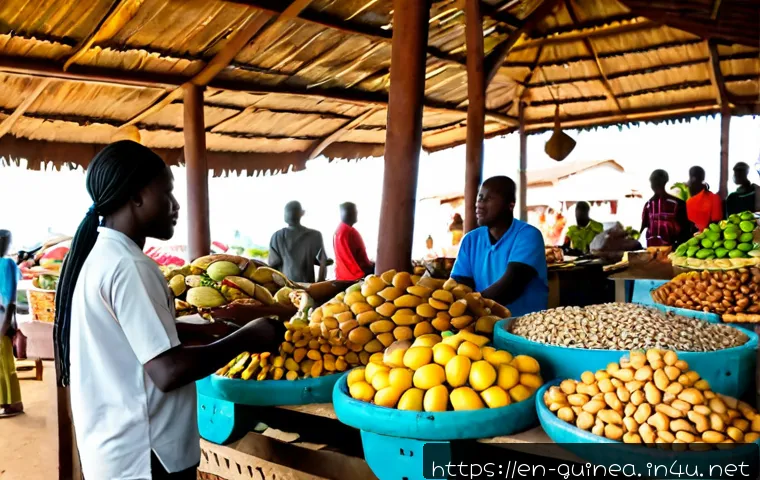
Conakry’s Madina Market is one large commercial area with food, fabrics, household goods, and informal stalls, but conditions can differ by neighborhood and day.
Independent travelers may enjoy the flexibility of exploring alone, while a driver or local guide can be useful when language, transport, or carrying purchases feels difficult.
Compare service details carefully rather than assuming every guide or transfer provider offers the same reliability. A calm approach, manageable cash, and respect for vendors will make the visit easier.
At a Glance
- Best market choice: Match the market visit to your goal—fresh food, fabrics, daily essentials, gifts, or larger-quantity buying.
- Cash preparation: Bring manageable amounts of Guinean francs (GNF) and confirm prices and change before completing a purchase.
- When transport helps: A pre-arranged driver or local guide can be useful for first-time visitors, language support, or larger shopping loads.
| Visit Style | Best For | Flexibility | Language and Navigation | Safety Considerations |
|---|---|---|---|---|
| Independent visit | Travelers who are comfortable planning routes and moving through busy areas | High; you choose the pace and stalls | You handle directions and French communication yourself | Keep valuables secure and follow current local guidance |
| Hired driver | Visitors who want simpler transport and a place to store purchases | Moderate; agree on waiting and return plans first | May reduce navigation stress, but support levels vary | Confirm pickup points, timing, and pricing before departure |
| Local guide | First-time visitors, buyers with specific needs, or travelers wanting language help | Depends on the agreed itinerary | Can help with communication and market orientation | Check the provider’s current reliability, price, and service scope |
What to Expect From a Market Visit in Guinea
Quick answer: choose the market based on what you need to buy and how independently you want to travel
A useful market visit starts with a simple question: what are you shopping for? Food shopping, fabric browsing, household purchases, and informal retail buying can involve different areas and different amounts of time. In Conakry, Madina Market is known as a large commercial market area with a broad mix of goods. Avoid treating any market as fixed or predictable; vendor availability, crowd levels, and access can change.
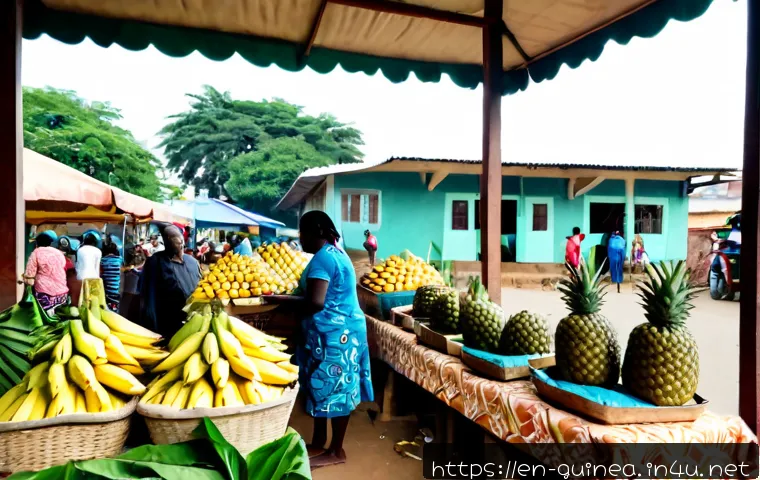
Common product categories: produce, spices, fabrics, household goods, and daily essentials
Local markets can offer fresh produce, spices, fabrics, household products, and other everyday items. Fabrics may suit travelers planning tailoring purchases, while food sections are more practical for those buying ingredients or daily supplies. If you are purchasing gifts or locally made items, inspect the item carefully before agreeing on a price rather than rushing because a stall is busy.
Why market conditions can change from one day or neighborhood to another
Prices may vary with quality, season, location, and purchase quantity. Fresh-food areas can be busiest earlier in the day, while closing times can vary by market, weather, local conditions, and the day of the week. Current neighborhood-specific transport and safety guidance is more useful than assumptions made before your trip.
Choose the Right Market Experience for Your Budget and Time
Food and everyday shopping vs. fabric and tailoring purchases
For food and basic household shopping, prioritize convenience, freshness, and the ability to carry purchases comfortably. For textiles, allow extra time to compare color, texture, and quality across more than one seller. If tailoring is part of your plan, clarify what you are buying and what service is being discussed; do not assume that fabric purchase and tailoring arrangements are automatically connected.
Independent visit, hired driver, or local guide: a practical comparison
An independent visit offers the most freedom and may suit travelers who can navigate in French and are comfortable in crowded commercial areas. A local driver can be valuable when transport connections are unclear or purchases are bulky. A local guide may add practical value when you need help communicating, finding a particular type of seller, or reducing first-visit navigation stress.
Cost factors to compare before booking transport or assistance
Ask what is included in any driver, airport transfer, or guide-service quote. Confirm the planned duration, waiting time, pickup point, return transport, language support, and whether assistance is limited to navigation or includes shopping support. A lower quote is not automatically the better option if the service details are vague.
Money, Prices, and Respectful Bargaining
Using Guinean francs and carrying manageable cash amounts
Guinea uses the Guinean franc (GNF) for everyday transactions. Cash is commonly useful in local markets, especially with small vendors. Carry an amount you can manage securely, separate larger notes from small purchase money, and check current exchange information before your visit because exchange rates can change.
How to ask for a price, compare offers, and decline politely
Bargaining is common in many informal market settings, but it works best when it stays calm and respectful. Ask the price, compare similar items where appropriate, and decide whether the quality matches your budget. If you do not want to buy, a brief polite decline is better than prolonged pressure or arguing over a small difference.
Avoiding common purchasing mistakes with weight, quality, and change
Before paying, confirm the item, amount, quality, and final price. For food or bulk-style purchases, make sure you understand how the quantity is being described. Count your change before leaving the stall, especially when the market is crowded or you are handling several purchases at once.
Plan a Safer, Smoother Visit
Timing your visit around crowds, heat, and fresh-product availability
Earlier visits may be more useful for fresh-food shopping, but the best time depends on the specific market and current conditions. Build in extra time for traffic, walking, and finding your return transport. If heat or crowds make the visit uncomfortable, shorten the shopping list rather than trying to cover every section at once.
Bags, phones, valuables, and handling purchases in busy areas
Use a bag that closes securely and keep phones, money, and travel documents out of easy reach. Avoid displaying a large amount of cash while comparing goods. Solo visitors and buyers carrying larger purchases may prefer arranging return transport in advance rather than searching for options after shopping.
Ask before taking photographs or recording vendors
Photography rules and preferences can vary by vendor and market section. Ask first before taking photos or recording video, and accept a refusal without debate. Follow current local guidance on photography, transport, and neighborhood conditions.
Tips by Traveler Type and Shopping Goal
First-time visitors who need language or navigation support
French is widely used in Guinea, alongside local languages that vary by area. If communication feels difficult, a guide or driver with clear language support can reduce confusion. Agree on the plan before entering the market, including how long you will shop and where you will meet afterward.
Travelers shopping for textiles, gifts, or locally made items
Take time to compare materials and finishing rather than buying from the first stall. Ask about the item directly, inspect it in good light where possible, and keep your shopping goal specific. A focused list helps avoid purchases made only because bargaining feels socially difficult.
Small buyers considering larger quantities or delivery arrangements
Larger-quantity buying can involve different pricing than retail purchases, but terms should never be assumed. Confirm the quantity, product quality, total price, handling, and any delivery arrangement before committing. If a driver or guide is involved, clarify whether their role includes transport only or any additional coordination.
Selection Criteria and Comparison Summary
Before choosing travel insurance, local transport, or guide assistance, compare current coverage terms, pickup and return details, language support, cancellation conditions, total quoted price, and the provider’s stated responsibilities. For a market-focused trip, a driver may be enough when you mainly need transport; a guide can be more useful when communication and orientation are the main concerns. Check official guidance and detailed service conditions on the relevant provider page before booking.
In Closing
A Guinea market visit can be practical, lively, and manageable when the plan matches your shopping purpose. Bring usable GNF cash, compare items without rushing, and bargain politely. Independent travel works well for some visitors, while pre-arranged transport or a guide can be a sensible convenience choice for others. Keep plans flexible because market hours, availability, and local conditions can change.
Useful Things to Know
1. Cash is commonly useful for small market purchases.
2. French can be helpful when asking about prices and directions.
3. Fresh-food sections may be busiest earlier in the day.
4. Price differences can reflect quality, season, location, or buying quantity.
5. Ask permission before photographing people, stalls, or products.
Important Notes
Exact market hours, vendor stock, prices, exchange rates, photography permission, guide reliability, and transport conditions require current confirmation. Safety, health, border, and neighborhood conditions can also change. Use up-to-date local and official guidance when planning your route, arranging an airport transfer, selecting travel insurance, or booking a guide service.
Frequently Asked Questions
Q1. Is it safe for tourists to visit local markets in Guinea?
A1. Safety conditions depend on the market area, time of day, transport plan, and current local guidance. Visitors can reduce stress by keeping valuables secure, carrying manageable cash, staying aware in crowded areas, and checking current neighborhood-specific advice.
Q2. Should I hire a local guide or driver for markets in Conakry?
A2. It can be worthwhile if you are visiting for the first time, need French-language support, want help navigating, or expect to carry larger purchases. Compare quotes carefully and confirm what the guide or driver will actually provide before agreeing.
Q3. How much cash should I bring to a market in Guinea, and can I bargain?
A3. Bring a manageable amount of GNF based on your planned purchases and keep smaller purchase money separate. Bargaining is common in many informal settings, but it should be polite. Confirm the final price, item quality, quantity, and change before leaving the stall.