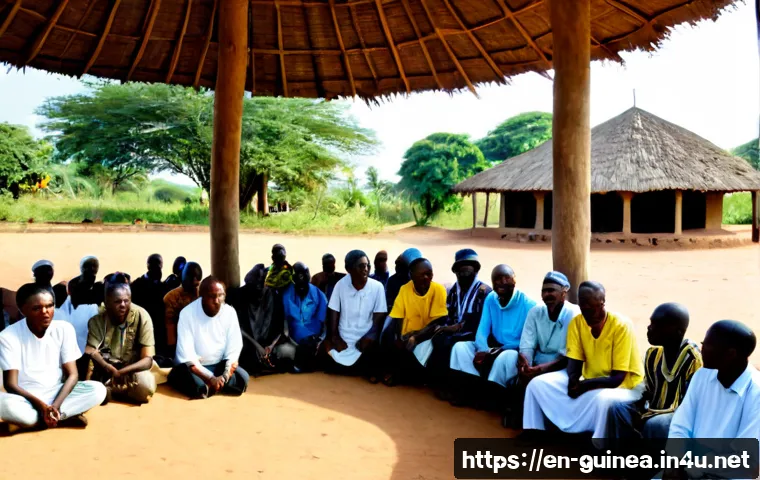
Political tensions in Guinea should be examined through institutions, incentives, and local conditions—not ethnic labels alone. A political dispute involving individuals or parties does not automatically represent conflict between entire communities.

Because the location, event, actors, and time period may vary, reliable conclusions require current and independently verified evidence. Free reporting can provide an initial picture, while academic research and political-risk briefings may help when the decision has higher operational or safety consequences.
The useful question is not “which group is responsible?” but “what political, economic, and governance conditions are shaping this claim?”
At a Glance
- Political competition should not be treated as proof that entire communities are in conflict.
- Assess elections, governance, economic access, resource pressures, security, and media narratives together.
- Use paid research databases or regional risk briefings only when the decision requires deeper verification or operational planning.
| Research Source | Best Use Case | What to Check Before Relying on It |
|---|---|---|
| Free news coverage | Following recent events and identifying competing claims | Publication standards, named sources, dates, local context, and whether multiple outlets agree |
| Academic research | Understanding historical patterns, institutions, and longer-term political dynamics | Research date, methodology, geographic scope, and whether conclusions are being applied too broadly |
| Professional political-risk briefings | Planning projects, travel, investments, fieldwork, or organizational operations | Analyst expertise, update frequency, source transparency, local coverage, and relevance to the decision |
The Short Answer: Why Community-Based Political Tensions Need Careful Context
The short answer: claims about political tensions among communities in Guinea need to be tested against evidence about institutions, actors, and local circumstances. Broad identity labels can hide the real drivers of a disagreement, such as electoral competition, disputed representation, public-service concerns, economic exclusion, or local security fears.
Political Competition Is Not the Same as Conflict Between Entire Communities
A political party, candidate, activist network, or public figure may seek support from particular places or social networks. That does not mean every person sharing an identity has the same political view or interest. Treating a community as a single political bloc is a common analytical mistake. Look for the specific actors making decisions, the institutions involved, and the evidence that connects a political dispute to a wider population.
The Key Factors to Examine Before Drawing Conclusions
Before repeating a claim, ask: Who is involved? Where did the event occur? What is the immediate issue? What evidence supports the claim? It is also important to distinguish a national political message from conditions in a specific town, district, workplace, or project area. A careful analysis identifies uncertainty rather than filling gaps with assumptions.
The Main Drivers to Compare in Guinea’s Political Environment
There is no single explanation for political tension. A stronger framework compares several drivers and considers how they may overlap in a particular period or location.
Elections, Party Networks, and Representation
Elections and party competition can make identity-based language more visible, especially when leaders seek support or challenge opponents. Examine candidate statements, party organization, voting-related claims, and access to representation. The key caution is that campaign rhetoric may be strategic. It should not automatically be treated as a complete description of community relations outside politics.
Regional Development, Public Services, and Economic Opportunity
Concerns about roads, schools, health services, employment, administrative access, or public investment can become politically important. When comparing claims of exclusion, separate documented service or opportunity concerns from unsupported generalizations about any community. Ask whether the evidence covers a defined area, a particular institution, or a wider national pattern.
Land, Mining, Infrastructure, and Local Resource Pressures
Land access, mining activity, infrastructure projects, and other resource-related decisions may create local pressures. These issues can involve residents, authorities, companies, workers, and intermediaries with different interests. A useful conflict-analysis approach maps the decision-maker, affected area, benefit, grievance, and dispute mechanism rather than assigning a single motive to an entire identity group.
How to Assess Claims About Inter-Community Political Conflict
Good research starts by slowing down. A dramatic headline or widely shared post may describe a real concern, but it may also omit the timeline, location, source, or political context needed to interpret it responsibly.
Questions That Reveal Whether a Claim Is Evidence-Based
Ask whether the claim identifies a verifiable event, a specific place, and a clear time frame. Check whether sources distinguish eyewitness accounts, official statements, civil-society reporting, and independent investigation. Look for corroboration from sources with different incentives. If reports disagree, record the disagreement instead of selecting the version that best fits a preconceived narrative.
Warning Signs of Loaded Language, Selective Reporting, and Stereotyping
Be cautious when a source says a whole community “supports,” “opposes,” or “caused” something without showing evidence. Other warning signs include anonymous claims with no context, old material presented as current, inflammatory labels, and reports that describe violence or insecurity without identifying what has been independently confirmed. Precision is safer than certainty.
Separating National Rhetoric From Local Conditions
National debates may shape perceptions, but local conditions can differ sharply. A local dispute may concern land, administration, employment, public services, or a specific political contest. Conversely, national rhetoric may affect local trust even when no local incident has been confirmed. Keep these levels separate in notes, reporting, and risk assessments.
Research Methods, Safety Considerations, and Common Mistakes
For students, journalists, researchers, and NGO teams, the quality of the method matters as much as the number of sources collected. Sensitive topics require careful language and clear limits on what can be known.
Compare Multiple Types of Evidence Before Forming a Conclusion
Compare current reporting with longer-form research, public documents where available, and perspectives from sources that do not share the same political interest. Record publication dates and distinguish facts from allegations. A research database can be useful for organizing material, but its value depends on coverage, editorial standards, search tools, and update practices.

Avoid Treating Identity Groups as Politically Uniform
People may hold different political opinions based on age, occupation, location, personal experience, party ties, or economic interests. Community identity is not a shortcut to political belief. Use language such as “some actors,” “reported supporters,” or “a local network” when the evidence does not justify a wider claim.
Use Caution When Discussing Security Incidents, Elections, and Displacement
Security-related claims can change quickly and may carry real consequences for people on the ground. Do not publish unverified allegations, identify vulnerable individuals unnecessarily, or present a developing situation as settled fact. Organizations planning travel, field research, or project activity should use current security guidance and verify conditions through appropriate professional channels.
When Professional Research or Political-Risk Support Adds Value
Free information is often enough for background learning. Specialist regional analysis may add value when a decision involves staff safety, operational continuity, major commitments, sensitive engagement, or a need to compare several possible locations or scenarios.
Free Reporting Versus Specialist Regional Analysis
Free news coverage is useful for monitoring events and seeing how narratives differ. Academic material can explain broader political and social context. A political-risk briefing may be more useful when an organization needs a structured assessment of stakeholders, triggers, operational exposure, and information gaps. The right choice depends on the consequence of being wrong, not on the apparent sophistication of the product.
Selection Criteria for Research Databases, Local Consultants, and Risk Briefings
Evaluate source methodology, analyst credentials, local knowledge, update frequency, language coverage, conflict-of-interest safeguards, and correction practices. For local consultants, clarify the scope of work, confidentiality expectations, and how claims will be corroborated. For analyst services, ask whether the briefing separates verified information from judgment and whether it explains uncertainty.
Cost-Versus-Value Questions for Organizations Operating in Guinea
Before purchasing a research service, ask what decision it will improve. Will it help choose a project location, prepare stakeholder engagement, monitor political developments, or revise a security protocol? If the answer is vague, free sources and a disciplined research checklist may be sufficient. If the decision is high-stakes, a well-scoped regional risk service can be worth considering.
Choosing Research Sources and Risk Briefings: A Decision Summary
Students and general readers: start with several reputable current reports and academic sources, then compare dates, methods, and language. Journalists and civil-society teams: prioritize corroboration, local context, source protection, and clear separation between allegation and verified fact. Businesses, NGOs, and project planners: consider specialist political-risk analysis when operational, safety, or stakeholder decisions depend on current local detail.
Check the provider’s methodology, geographic coverage, analyst access, update schedule, and limits before choosing a database, briefing, or training resource. For official scope details and service conditions, review the relevant provider page directly.
Conclusion
Careful analysis of political tensions in Guinea begins with a simple discipline: do not turn a political claim into a statement about an entire community. Compare institutional, economic, local, and media-related factors before reaching a conclusion. Be explicit about what is verified, what is disputed, and what remains unknown. This approach produces more useful research and reduces the risk of harmful stereotyping.
Useful Information to Keep in Mind
1. Save the publication date of every source. 2. Note whether a claim is local, regional, or national. 3. Separate direct evidence from commentary. 4. Track who benefits from a particular narrative. 5. Reassess conclusions when current reporting changes.
Important Limitations and Verification Notes
This framework does not confirm any specific political conflict, community relationship, incident, or current security condition in Guinea. The communities, location, period, responsible actors, scale, and status of any alleged event require verification through credible and current sources. Avoid relying on identity labels as evidence of collective political intent.
Frequently Asked Questions
Q1. Are political tensions in Guinea mainly caused by ethnic differences?
A1. It should not be assumed that they are. Political tensions may involve elections, governance, economic opportunity, public services, local resource issues, security concerns, and media narratives. Any claim that ethnic identity is the main cause needs specific, current, and independently supported evidence.
Q2. How can I research Guinea’s political environment without relying on stereotypes?
A2. Use multiple source types, confirm dates and locations, identify the specific actors involved, and separate verified facts from claims. Avoid describing any community as politically uniform, and compare national rhetoric with local conditions.
Q3. When is a paid political-risk report or regional research service worth the cost?
A3. It may be worth considering when a decision involves staff safety, field operations, project planning, investment exposure, or sensitive stakeholder engagement. Choose services based on methodology, local coverage, update frequency, transparency, and relevance to the specific decision.