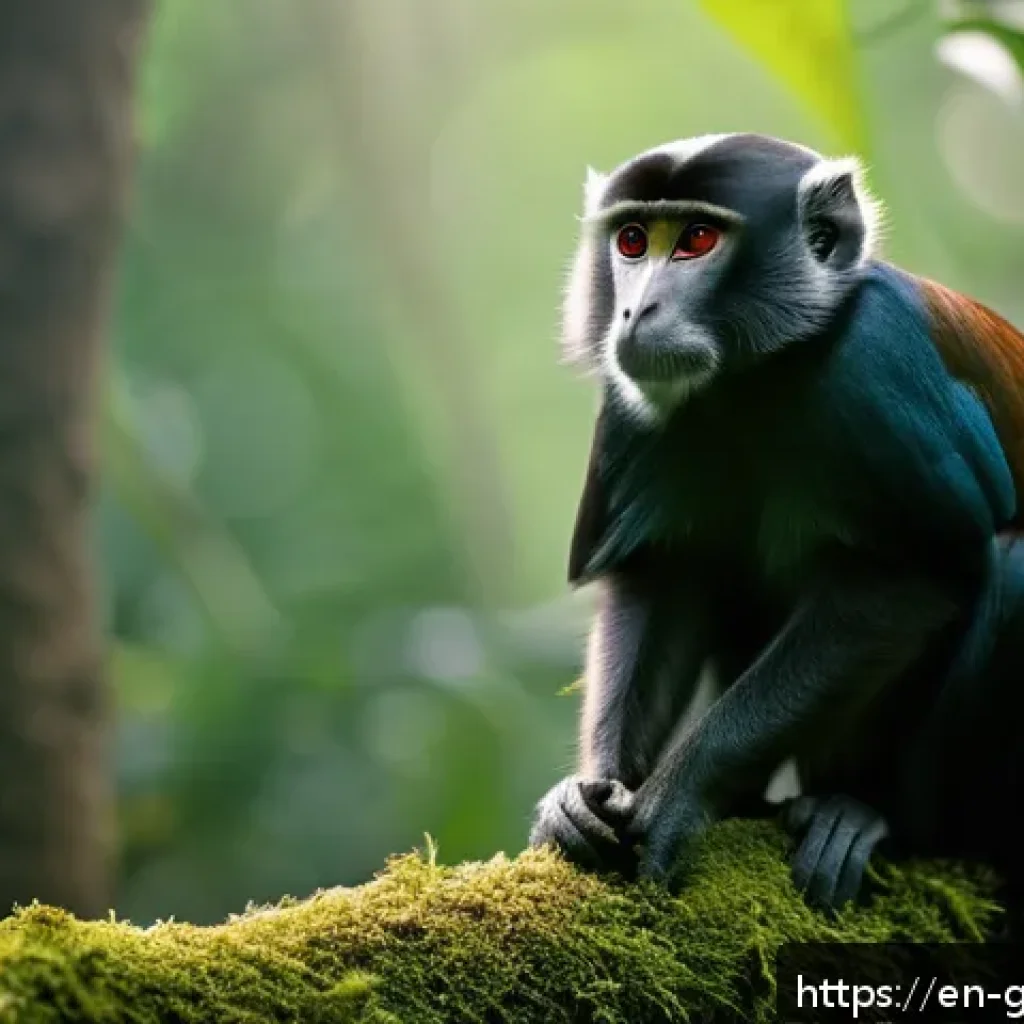
As global travelers increasingly seek authentic and off-the-beaten-path experiences, Guinea’s national parks emerge as some of Africa’s most captivating hidden gems.
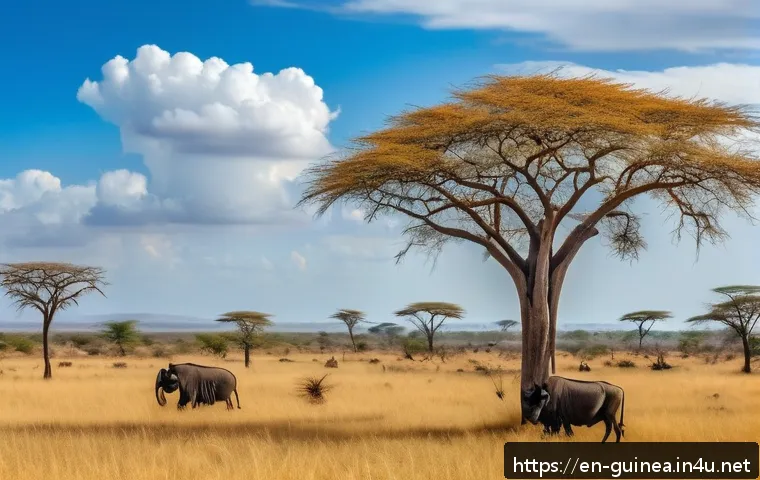
These untouched wilderness areas offer a rare glimpse into vibrant ecosystems brimming with unique wildlife and breathtaking landscapes. With conservation efforts gaining momentum, now is the perfect time to explore these pristine parks before they become widely known.
Join me as we uncover the secrets of Guinea’s natural treasures—places where adventure meets tranquility and every step tells a story waiting to be discovered.
This guide will inspire your next journey into the heart of Africa’s untamed beauty.
Exploring Guinea’s Unique Wildlife Habitats
Encountering Rare Species in Their Natural Home
Guinea’s national parks are sanctuaries for some of Africa’s most elusive and rare creatures. When I ventured into these protected areas, I was struck by how vibrant and diverse the wildlife is, from forest elephants quietly roaming the dense canopy to the colorful birds that dart through the undergrowth.
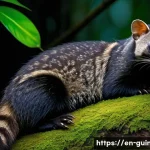
Unlike more tourist-heavy safaris elsewhere, here you can truly experience animals in undisturbed habitats. Spotting species such as the Nimba otter shrew or the Diana monkey felt like uncovering a secret that nature had kept just for me.
The thrill of witnessing these animals behaving naturally, without the crowds, makes every moment unforgettable.
Birdwatching in Untouched Forests
For bird enthusiasts, Guinea’s parks are a treasure trove. The thick forests and savannahs host hundreds of bird species, many endemic to West Africa.
I found that early mornings, when the forests come alive with song, are the best times to observe. Some mornings, I would hear the call of the Guinea turaco or glimpse the iridescent feathers of the African grey parrot.
The diversity here is staggering, and the silence of the surroundings enhances the experience. Using a local guide familiar with bird habits helped me locate rarer species that I would have missed on my own.
Conservation Efforts Shaping Wildlife Futures
The ongoing conservation projects in Guinea are vital to preserving these fragile ecosystems. I was impressed by how local communities actively participate in protecting wildlife corridors and combating poaching.
These efforts not only safeguard animal populations but also empower residents through eco-tourism initiatives. Visiting these parks now means supporting a future where nature and people coexist sustainably.
It’s inspiring to see how effective conservation can transform a region, making it both a haven for wildlife and a responsible travel destination.
Immersing in Guinea’s Diverse Landscapes
From Lush Rainforests to Rolling Savannahs
One of the most striking aspects of Guinea’s parks is the variety of landscapes packed into relatively small areas. During my explorations, I moved from dense rainforests teeming with vines and towering trees to expansive savannahs dotted with baobabs and acacias.
This dramatic shift not only changes the scenery but also the types of wildlife you encounter. The forest feels like a cathedral of green, alive with the buzz of insects and bird calls, while the savannah opens up to golden light and wide horizons, perfect for spotting grazing antelope.
Each environment invites a different kind of adventure and discovery.
Waterfalls and River Ecosystems
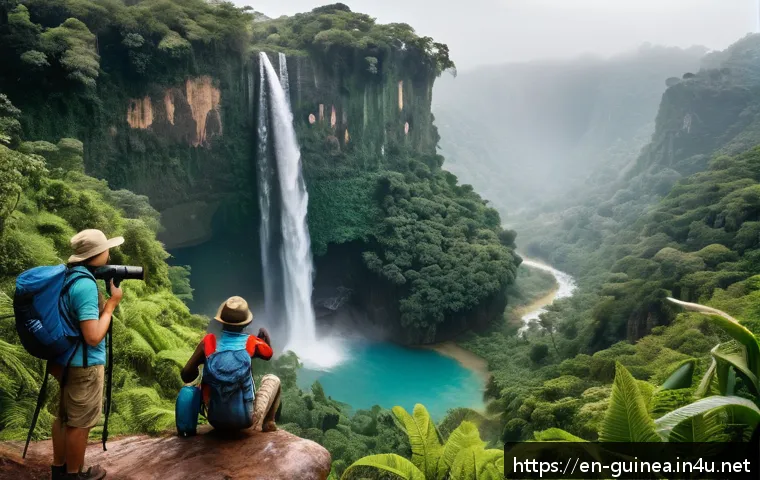
Many of Guinea’s parks are home to stunning waterfalls and pristine rivers, adding a refreshing element to the landscape. I remember hiking through thick foliage to reach cascading falls where the air was cool and misty.
These water sources support a wealth of biodiversity and are ideal spots for wildlife sightings. The sound of rushing water combined with the vibrant greenery creates a peaceful atmosphere that’s perfect for reflection after a day of trekking.
These aquatic features also offer excellent photo opportunities, capturing nature’s raw beauty in motion.
Seasonal Changes and Their Impact on Scenery
Visiting during different seasons reveals how dynamic Guinea’s landscapes truly are. The rainy season transforms the parks into lush, almost surreal green paradises, with swollen rivers and blooming flowers everywhere.
Conversely, the dry season exposes hidden trails and allows for easier spotting of animals at waterholes. Personally, I found the contrast fascinating—both seasons offer unique charms and challenges, so timing your visit depends on what you hope to experience.
Understanding these seasonal rhythms enhances the depth of any journey through Guinea’s wilderness.
Engaging with Local Communities and Culture
Village Life Near the Parks
Traveling near Guinea’s national parks means encountering vibrant local cultures that have coexisted with nature for generations. I took the chance to visit nearby villages where traditional crafts, music, and storytelling thrive.
The warmth and hospitality of the people made the experience memorable. Learning about their sustainable lifestyles and deep respect for the environment gave me a new appreciation for how cultural heritage and conservation can go hand in hand.
These interactions add a rich human dimension to any nature-focused trip.
Traditional Ecotourism and Sustainable Practices
Local communities often lead ecotourism initiatives that aim to preserve both their culture and the environment. I joined guided tours operated by villagers who shared insights about medicinal plants, forest conservation, and local legends tied to the land.
This approach ensures tourism benefits the residents directly and encourages visitors to travel responsibly. Supporting these initiatives felt meaningful, as it helped maintain the delicate balance between tourism and preservation.
It’s a powerful reminder that authentic travel respects and uplifts the people who call these wild places home.
Crafts, Cuisine, and Cultural Festivals
Beyond nature, Guinea offers a rich tapestry of cultural experiences. Sampling traditional dishes made with fresh, local ingredients was a highlight for me—each meal telling a story of the land’s bounty.
I also attended festivals featuring vibrant dances and music that celebrate both history and community spirit. These cultural moments provide a festive contrast to the tranquil wilderness and deepen one’s connection to the region.
Embracing Guinea’s culture alongside its natural wonders transforms a simple visit into a truly immersive adventure.
Planning Your Visit: Practical Tips and Insights
Best Times to Explore the Parks
Timing your trip to Guinea’s national parks can significantly impact your experience. From my visits, I learned that the dry season, typically from November to March, offers easier trekking conditions and better wildlife visibility.
However, the rainy season, between May and October, brings lush vegetation and fewer tourists, which some travelers prefer for its solitude and vibrant scenery.
Deciding when to go depends on your priorities—whether it’s wildlife spotting, photography, or simply enjoying peaceful nature.
Travel Logistics and Accessibility
Reaching Guinea’s remote parks requires some planning, as infrastructure is still developing. I found that hiring a local guide and arranging transport in advance made a huge difference.
Roads can be rough, especially during the rainy season, so a 4×4 vehicle is often necessary. Some parks offer basic accommodations, while others may require camping or staying in nearby villages.
Knowing these details ahead of time helps avoid surprises and ensures a smoother adventure. The journey itself becomes part of the experience, adding to the sense of discovery.
What to Pack for a Guinea Adventure
Packing thoughtfully is key to enjoying Guinea’s wild landscapes comfortably. When I traveled there, I made sure to bring lightweight, breathable clothing for the humid forest environment, along with sturdy hiking boots for uneven terrain.
Insect repellent and a good hat were essential to protect against mosquitoes and sun exposure. Binoculars and a camera with a zoom lens enhanced wildlife viewing.
Don’t forget essentials like a reusable water bottle and basic first aid supplies, as facilities can be limited. Being well-prepared allowed me to focus fully on the stunning surroundings.
Comparing Guinea’s Parks: Highlights at a Glance
| Park Name | Key Features | Wildlife Highlights | Visitor Facilities | Best Season to Visit |
|---|---|---|---|---|
| Mount Nimba Strict Nature Reserve | UNESCO World Heritage Site, mountain rainforest | Nimba otter shrew, forest elephants, rare amphibians | Basic campsites, guided tours available | Dry season (Nov-Mar) |
| Badiar National Park | Savannah and forest mosaic, border with Senegal | Lions, leopards, buffalo, numerous bird species | Simple lodges, community guides | Dry season (Nov-Mar) |
| Ziama Massif Biosphere Reserve | High-altitude rainforest, rich biodiversity | Diana monkey, hornbills, forest duikers | Limited facilities, requires permits | Dry season preferred |
| Fouta Djallon Highlands | Plateaus, waterfalls, hiking trails | Various endemic birds, small mammals | Guesthouses in nearby towns | Year-round, avoiding heavy rains |
Experiencing Adventure and Solitude in Guinea’s Wilderness
Walking Trails That Reveal Hidden Wonders
The trekking routes through Guinea’s parks are unlike any other African trails I’ve walked. They are often narrow and less traveled, winding through pristine forests and across gentle hills.
This remoteness means you often have the trail to yourself, creating a profound sense of solitude and connection with nature. Every step reveals something new—a rare flower, animal tracks, or breathtaking panoramic views.
The quiet allows for moments of reflection and awe, far from the bustle of popular safari destinations.
Night Safaris and Nocturnal Wildlife
Exploring the parks after dark introduces a completely different world. On a guided night safari, I encountered creatures that are seldom seen during daylight hours—owls, civets, and nocturnal primates.
The sounds of the forest at night, from the croaks of frogs to the rustling of small mammals, heighten your senses. These excursions require patience and a good guide but reward you with unforgettable glimpses into the hidden lives of the park’s inhabitants.
It’s an experience that deepened my appreciation for the complexity of these ecosystems.
Balancing Adventure with Respectful Travel
While the thrill of exploring Guinea’s wild places is undeniable, I quickly realized that responsible travel is essential to preserving these delicate environments.
Moving quietly, respecting wildlife distances, and minimizing waste were practices I committed to. Sharing these values with fellow travelers and guides helps ensure that the parks remain pristine for future generations.
Adventure here isn’t about conquering nature but about harmonizing with it—an approach that enriches every moment spent in Guinea’s breathtaking wilderness.
In Conclusion
Exploring Guinea’s unique wildlife and diverse landscapes offers an unforgettable adventure for nature lovers and cultural enthusiasts alike. The harmony between conservation efforts and local communities creates a meaningful travel experience. Whether trekking through dense forests or engaging with vibrant village life, every moment reveals a deeper connection to this remarkable country. Guinea truly stands out as a destination where wild beauty and human heritage coexist in balance.
Useful Information to Keep in Mind
1. The dry season, from November to March, is ideal for wildlife viewing and easier trekking conditions.
2. Hiring local guides enhances your experience by providing expert knowledge and supporting community initiatives.
3. Prepare for varying terrain by packing lightweight, breathable clothing and sturdy hiking boots.
4. Respectful and responsible travel practices help preserve Guinea’s delicate ecosystems for future visitors.
5. Accommodations range from basic campsites to village guesthouses, so planning ahead is essential for a comfortable stay.
Key Takeaways
Guinea offers a rare blend of rich biodiversity and authentic cultural experiences, supported by active conservation and community involvement. Travelers should plan visits according to seasonal changes and accessibility challenges to maximize enjoyment. Embracing sustainable tourism practices ensures that both wildlife habitats and local traditions thrive. Ultimately, Guinea’s parks invite visitors to experience wilderness adventure with respect and mindfulness, making each journey deeply rewarding.
Frequently Asked Questions (FAQ) 📖
Q: What makes Guinea’s national parks unique compared to other
A: frican parks? A1: Guinea’s national parks stand out because they remain largely untouched and less commercialized, offering visitors a genuine experience of Africa’s wild beauty.
The parks feature rare and endemic species, vibrant ecosystems, and diverse landscapes ranging from dense rainforests to savannahs. Unlike more popular destinations, these parks provide a sense of solitude and discovery, perfect for travelers seeking authentic adventures off the beaten path.
Q: When is the best time to visit Guinea’s national parks for wildlife viewing?
A: The ideal time to visit is during the dry season, typically from November to April. During these months, animals gather around water sources, making wildlife spotting much easier.
The weather is also more favorable for trekking and exploring. However, visiting in the early wet season can offer lush scenery and fewer tourists, though some trails might be challenging due to rain.
Q: How can travelers ensure they are supporting conservation efforts while visiting Guinea’s national parks?
A: Supporting local conservation starts with choosing responsible tour operators who work closely with park authorities and local communities. Travelers should follow park rules, avoid disturbing wildlife, and minimize their environmental footprint.
Additionally, contributing to community-based tourism initiatives or donating to conservation projects helps sustain the delicate ecosystems and benefits the people living around these natural treasures.