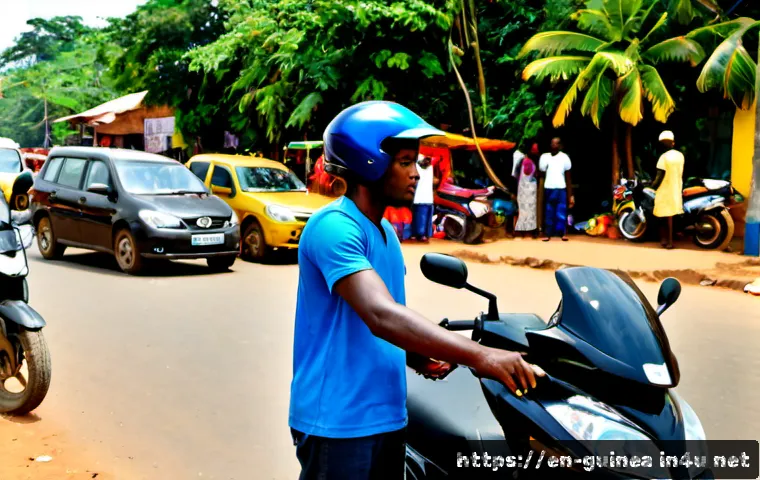
Motorcycle taxis can be a practical option for short trips in Guinea, especially where they are easy to find locally. Before getting on, confirm the destination and total fare in Guinean francs, then decide whether the motorcycle and rider appear suitable for the trip.
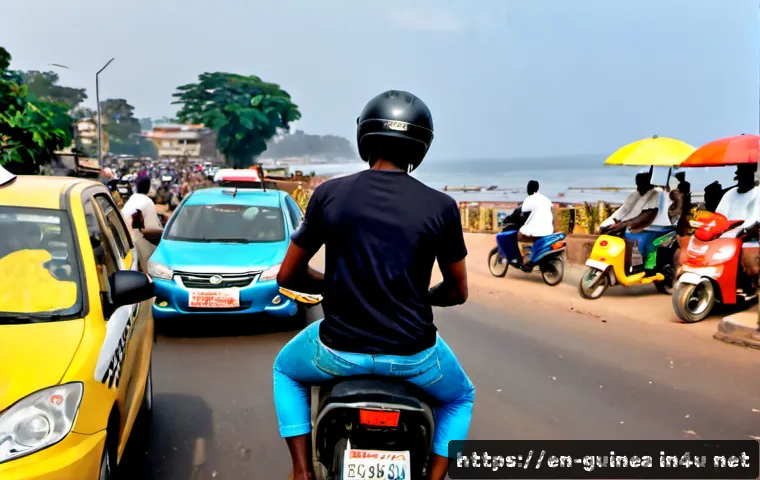
A passenger helmet may not always be available, so it is worth asking rather than assuming. Conditions can change quickly with traffic, road surfaces, rain, and fading light.
For longer journeys or routes that feel uncertain, another form of transport may be the better choice.
Where Motorcycle Taxis Are Common
Motorcycle taxis may be available in cities, towns, and busy neighborhoods, but their presence is not uniform across Guinea. What works in one area may not apply a few streets away: availability, usual pickup spots, local practices, and possible restrictions can all vary. If you are unsure whether moto taxis operate in a particular city, ask a trusted local contact or your accommodation before relying on them.
City, town, and neighborhood differences
In some places, a motorcycle taxi may be an easy way to cover a short distance when traffic or local road conditions make other options less convenient. In other areas, motorcycles may be less common, limited, or subject to rules that are not immediately obvious to visitors. Do not assume that a moto taxi can take you everywhere, particularly on routes between towns or through unfamiliar districts. Current conditions on specific roads and intercity routes should be checked locally.
Choosing a pickup point
Choose a pickup point where you can stop safely, speak clearly with the rider, and look at the motorcycle before accepting the ride. Avoid feeling rushed by traffic or by several riders approaching at once. A calm, visible place gives you time to confirm the details and decide whether you are comfortable proceeding.
Agreeing on the Ride Before You Leave
The most useful step is simple: agree on the destination and the total fare before the motorcycle starts moving. Say the destination clearly and ask the rider to repeat or confirm it. If there is any uncertainty about the route, landmark, or final drop-off point, resolve it before leaving rather than trying to explain while riding.
Confirming the destination and fare
Ask whether the quoted amount covers the complete trip, not only part of the route. Standard fares for short and long trips can vary by place and may change, so it is better not to rely on a figure heard elsewhere. If the rider does not clearly confirm both the destination and total price, choose another option.
Paying with Guinean francs
Carry small amounts of Guinean francs when you expect to use a motorcycle taxi. This can make payment simpler and reduce the chance of delays over change at the end of the ride. Keep your money secure and avoid displaying more cash than needed while arranging transport.
Passenger Safety Checks
Take a moment to assess the motorcycle and the rider before getting on. Look for a motorcycle that appears reasonably maintained, and pay attention to whether the rider seems focused, calm, and in control. This is not a guarantee of safety, but it is a sensible basic check before a short ride.
Helmets, footwear, and luggage
Ask whether a passenger helmet is available. Helmet access can differ by rider and location, so it should not be assumed. Wear secure footwear that will stay on your feet and avoid clothing that could catch near the wheels or moving parts. Keep luggage light and manageable; local requirements and practical limits for luggage or more than one passenger may vary and should be confirmed before departure.
When to decline a ride
Decline the ride if the motorcycle looks poorly maintained, if the rider behaves unpredictably, or if you feel pressured to leave before the details are clear. It is also reasonable to walk away when the proposed luggage arrangement feels unstable or when the trip would require more passengers than you are comfortable with. A different rider or transport option is preferable to accepting a situation that already feels unsafe.

| Before riding | What to check |
|---|---|
| Route | Confirm the exact destination and whether the rider understands the drop-off point. |
| Fare | Agree on the total fare in Guinean francs before departure. |
| Motorcycle and rider | Assess the motorcycle’s apparent condition and the rider’s behavior. |
| Protection and belongings | Ask about a passenger helmet, wear secure footwear, and keep luggage manageable. |
Riding in Traffic and Bad Weather
Traffic, road conditions, weather, and visibility can all affect a motorcycle journey. Even a familiar short route may feel very different when roads are wet, traffic is heavier, or visibility is reduced. Consider the conditions at the time of travel instead of treating every ride as routine.
Night travel and rain risks
Avoid riding after dark or during heavy rain when possible. Reduced visibility, slippery surfaces, and changing traffic conditions can increase the difficulty of a motorcycle trip. If rain begins or the route appears poorly visible, reassess whether the journey should wait or whether another transport choice would be more suitable.
Alternatives for Longer or Higher-Risk Trips
Motorcycle taxis are generally better considered for short, straightforward journeys than for trips with uncertain road conditions, substantial luggage, or limited visibility. For a longer journey, an unfamiliar district, or an intercity route, consider an alternative that better fits the distance and current conditions. The safest choice depends on the route, weather, traffic, and the transport options available at that moment.
In Closing
Using a motorcycle taxi in Guinea starts with clear communication and a quick safety assessment. Confirm the destination and full fare before departure, carry small Guinean franc notes, and do not assume a helmet will be provided. Weather, traffic, road conditions, and visibility deserve as much attention as the price. If anything about the motorcycle, rider, or route feels unsuitable, it is fine to choose another way to travel.
Useful Things to Know
1. Moto taxi availability can differ by city and neighborhood. 2. Current fares need to be agreed directly with the rider. 3. Passenger helmets may or may not be available. 4. Check local conditions before using a motorcycle taxi on unfamiliar or longer routes. 5. Confirm practical arrangements for luggage and additional passengers before leaving.
Key Points at a Glance
Confirm the destination and total fare first, pay with small amounts of Guinean francs where possible, and assess the rider and motorcycle before riding. Avoid trips after dark or in heavy rain when you can. For longer, uncertain, or higher-risk routes, consider another transport option.
Frequently Asked Questions
Q1. How much does a motorcycle taxi cost in Guinea?
A1. Current fares for motorcycle taxis in Guinea can vary by city, neighborhood, distance, and local conditions. Ask the rider for the total fare and agree on it before the journey begins.
Q2. Should I negotiate the fare before taking a moto taxi in Guinea?
A2. Yes. Confirm both the destination and the total fare with the rider before leaving. This helps avoid confusion about the route or payment when the ride ends.
Q3. Are motorcycle taxis safe for tourists in Guinea?
A3. Safety depends on factors such as the motorcycle’s condition, the rider’s behavior, traffic, roads, weather, and visibility. Check these conditions before accepting a ride, ask about a passenger helmet, and consider another option for longer or higher-risk journeys.