As the world increasingly embraces cultural exploration, Guinea’s oldest traditional market stands out as a vibrant testament to timeless heritage and bustling commerce.
Recently, travelers and locals alike have been rediscovering this lively hub, where age-old traditions blend seamlessly with modern-day exchanges. If you’re curious about authentic African markets rich in history and life, this journey promises a captivating glimpse into Guinea’s heart.
Join me as we unravel the stories, colors, and flavors that make this market an unforgettable experience. Whether you’re a culture enthusiast or an avid traveler, this exploration offers something truly unique and inspiring.
Let’s dive into the pulse of Guinea’s enduring marketplace together.
Exploring the Market’s Dynamic Atmosphere
The Morning Rush and Early Bargains
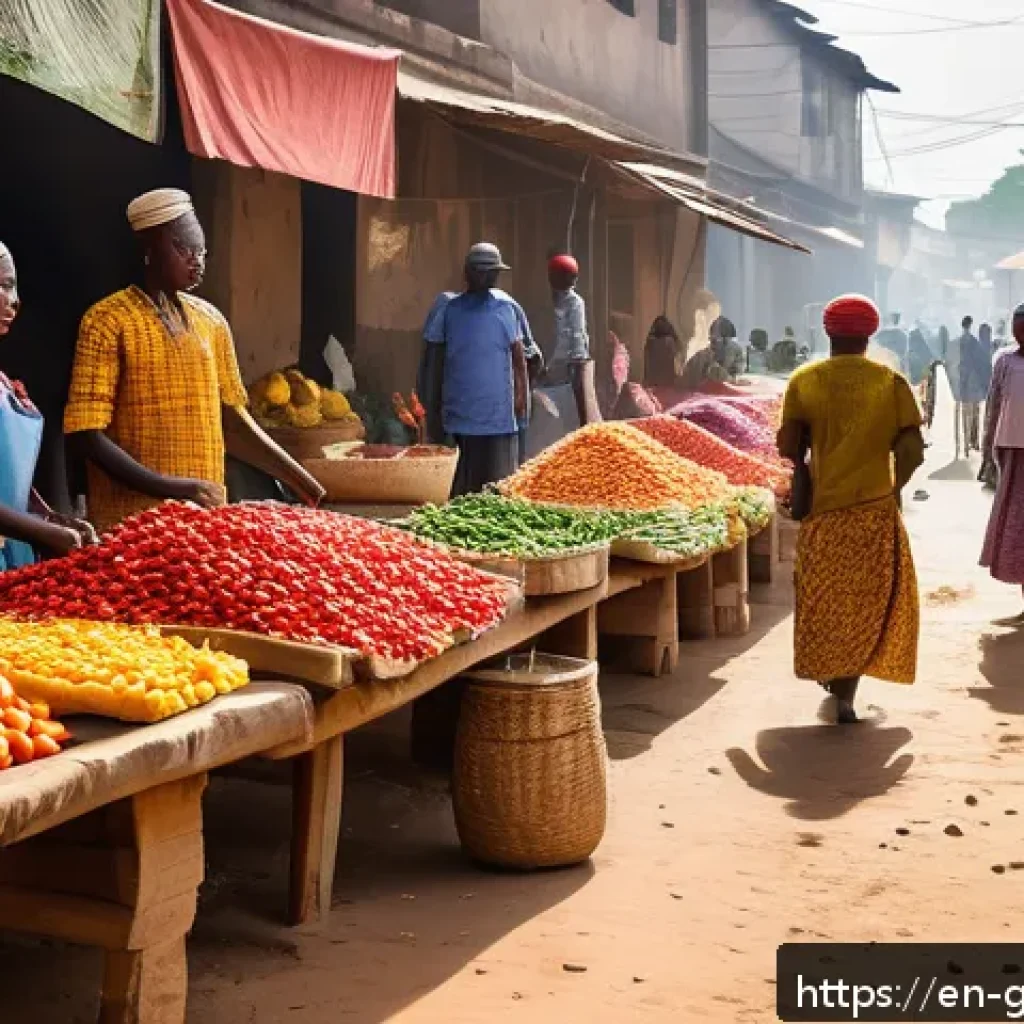
The market truly awakens with the first light of dawn, as vendors energetically arrange their goods, shouting lively greetings to early customers. The buzz is palpable — locals rushing to grab fresh produce, spices, and handmade crafts before the midday heat sets in.
Walking through the crowded alleys, you can almost taste the anticipation in the air. I remember arriving just as the sun was rising and being swept up in the contagious energy that only a place so deeply rooted in daily life can generate.
This early period is perfect for those who want to see the market’s pulse at its most authentic and catch the best deals before the crowd thickens.
Sounds and Smells That Tell Stories
What strikes you immediately is the vivid blend of sounds — merchants calling out prices, children laughing, the rhythmic tapping of wooden tools. Each corner offers a different scent: the pungent aroma of fermented locust beans, the sweet fragrance of fresh mangoes, and the smoky hint of grilled street food.
It’s like walking through a living storybook where every smell and sound narrates a piece of Guinea’s rich cultural tapestry. I often find myself closing my eyes for a moment just to absorb it all, feeling deeply connected to the heritage that thrives here.
Evening Calm and Nighttime Trades
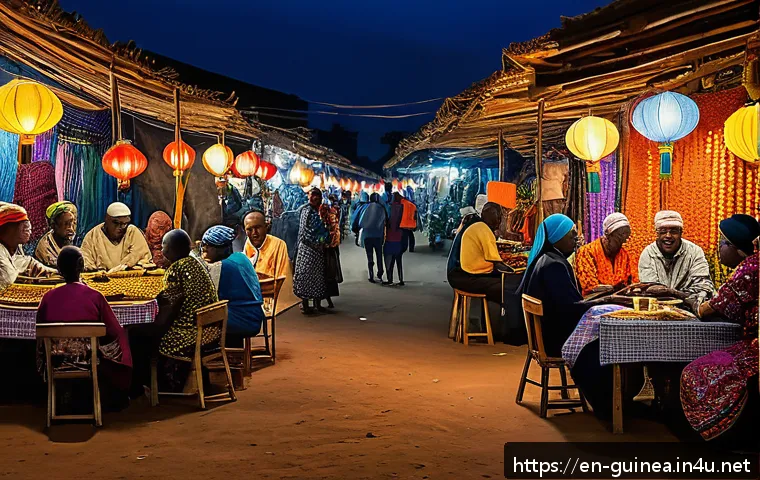
As the day winds down, the market doesn’t simply shut off; it transforms. The daytime frenzy gives way to a calmer, more intimate vibe where traders discuss their day’s successes and locals engage in quieter negotiations.
It’s a chance to witness a different rhythm — one where relationships matter as much as commerce. Personally, I found these moments magical because you get to see the market’s soul, beyond just the hustle and bustle, in the genuine interactions between people who have known each other for years.
Unveiling the Rich Variety of Goods
Fresh Agricultural Produce and Local Delicacies
Walking through the market, it’s impossible to miss the dazzling array of fruits and vegetables, many of which are grown in the nearby fertile lands. From bright red peppers and okra to sweet yams and pineapples, the selection reflects Guinea’s agricultural diversity.
Vendors are proud of their harvests, often inviting you to taste samples or explaining how the crops are cultivated. I learned firsthand that the freshness of these ingredients is unmatched, and it’s why many locals prefer shopping here rather than at supermarkets.
Handcrafted Art and Traditional Textiles
Beyond food, the market is a treasure trove of artisanal crafts. Beautifully woven fabrics in bold patterns, intricately carved wooden masks, and vibrant beadwork showcase the skills passed down through generations.
I was amazed by the stories behind each piece, often told by the artisans themselves, who take great pride in their craftsmanship. Purchasing these items doesn’t just mean buying souvenirs; it’s about supporting the preservation of cultural heritage and local economies.
Everyday Essentials and Modern Goods
The market also caters to daily needs beyond tradition — you’ll find everything from household items like cooking pots and plastic containers to mobile phone accessories and clothing.
This blend of old and new demonstrates how the market remains relevant in today’s fast-changing world. I noticed many young shoppers coming here for practical items, proving that the market continues to be an essential hub for the community.
A Glimpse into the Market’s Social Fabric
The Role of Women in Market Life
Women are the heartbeat of this marketplace. Many are vendors, negotiators, and social connectors, skillfully balancing commerce and community. Their presence is felt everywhere — from selling fresh produce to managing stalls and organizing communal activities.
I had several conversations with women traders who spoke about how the market empowers them economically and socially. Their stories added a deeply personal dimension to my visit, highlighting resilience and entrepreneurial spirit.
Community Gatherings and Cultural Exchange
The market is more than a place to buy and sell; it’s a communal space where people exchange news, celebrate festivals, and maintain social ties. I witnessed impromptu music sessions and traditional dance performances, turning parts of the market into lively cultural stages.
Such moments reveal how the market preserves Guinea’s intangible heritage and fosters a strong sense of belonging among its people.
Intergenerational Connections and Knowledge Sharing
Elders and youth mingle seamlessly here, passing down wisdom and market traditions. I observed older vendors patiently teaching younger family members the art of bargaining, product selection, and customer relations.
This mentorship ensures that knowledge is not lost but adapted for future generations. Watching these interactions made me appreciate how the market serves as a living classroom, sustaining both culture and livelihood.
The Culinary Delights You Can’t Miss
Street Food Stalls and Signature Flavors
Sampling local cuisine is an essential part of any visit to the market. From grilled plantains and spicy kebabs to rich peanut stews, the food stalls are vibrant hubs of flavor and hospitality.
I was particularly drawn to the smoky aroma of brochettes sizzling over open flames, and the friendly vendors who eagerly shared their recipes. Eating here isn’t just about satisfying hunger — it’s a sensory experience that connects you directly to Guinea’s culinary heritage.
Fresh Juices and Traditional Beverages
To cool down from the tropical heat, locals and visitors alike enjoy fresh fruit juices made on the spot — mango, pineapple, tamarind, and more. There’s also traditional millet beer and palm wine, which are often served during social gatherings.
I tried the millet beer for the first time here, and its slightly sour but refreshing taste was unforgettable, perfectly complementing the market’s lively atmosphere.
Sweet Treats and Local Snacks
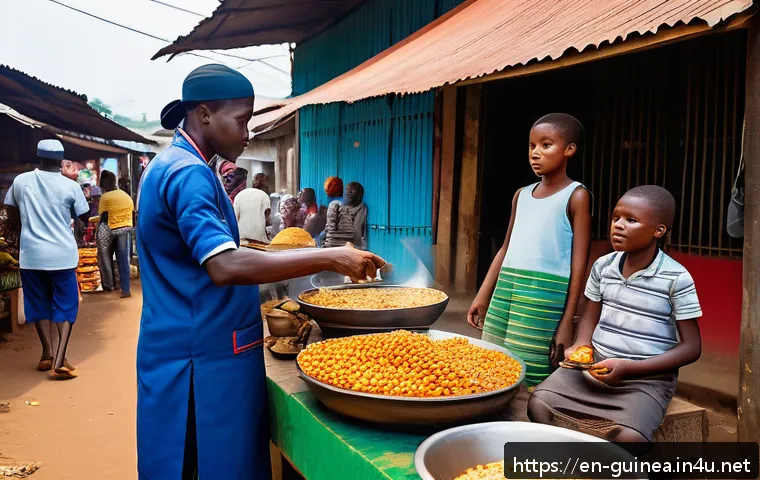
Don’t overlook the sweet corners of the market, where vendors sell fried dough balls, sugar-coated peanuts, and coconut candies. These treats offer a delightful contrast to the savory dishes and are a favorite among children and adults alike.
I found myself indulging in these snacks repeatedly, partly because they reminded me of the simple joys found in everyday market life.
How to Navigate and Make the Most of Your Visit
Best Times to Visit and What to Expect
Timing your visit can dramatically change your experience. Early mornings bring the freshest selections and lively energy, while late afternoons offer a more relaxed pace and better opportunities for meaningful conversations with vendors.
Personally, I recommend visiting twice — once at dawn and once near closing time — to appreciate the market’s full spectrum of life and commerce.
Tips for Bargaining and Engaging with Vendors
Negotiating prices is part of the market culture and can be both fun and challenging. I found that approaching with respect and a smile goes a long way.
Vendors appreciate genuine interest in their products and stories, which often leads to fairer deals. Don’t hesitate to ask questions about origins and usage — it’s a great way to build rapport and learn more about Guinea’s traditions.
Safety and Cultural Etiquette
While the market is generally safe, being mindful of your belongings is wise due to the crowds. Dress modestly and be respectful of local customs, especially when photographing people or sacred items.
I noticed that a friendly attitude and openness to learning helped me gain trust and enjoy richer interactions throughout my visit.
Summary of Key Market Features
| Aspect | Description | Personal Observation |
|---|---|---|
| Operating Hours | Dawn to early evening, with peak activity in the morning | Early visits offer the freshest goods and vibrant energy |
| Product Variety | Fresh produce, artisanal crafts, daily essentials, street food | Wide range reflecting both tradition and modern needs |
| Social Role | Economic hub and cultural meeting point | Strong presence of women and intergenerational exchanges |
| Culinary Experience | Local dishes, fresh juices, traditional beverages, snacks | Food is a highlight, offering authentic flavors and warmth |
| Visitor Tips | Best to visit early or late, bargain respectfully, stay aware | Engagement and respect enhance the overall experience |
Preserving Heritage While Embracing Change
Balancing Tradition and Modernization
The market stands as a living example of how tradition adapts without losing its soul. New technologies and goods have found their way alongside age-old practices, creating a fascinating blend.
I witnessed vendors using mobile phones to communicate orders while still relying on hand gestures and storytelling to attract buyers. This balance makes the market not only a cultural relic but a thriving, evolving community center.
Challenges and Opportunities Ahead
Like many traditional markets worldwide, this one faces pressures from urban development and globalization. However, efforts by local organizations to support small traders and promote sustainable practices are encouraging.
From what I gathered chatting with community leaders, there’s a genuine commitment to preserving the market’s unique character while improving infrastructure and access.
Why This Market Matters Beyond Commerce
It’s clear that this marketplace is more than just a place to shop — it’s a cornerstone of identity, memory, and social cohesion. My experience here was enriched by countless stories, smiles, and lessons about resilience and pride.
For anyone interested in authentic cultural immersion, visiting this market offers an inspiring glimpse into Guinea’s past, present, and hopeful future.
In Conclusion
Visiting the market offers an unforgettable journey into a vibrant world where culture, community, and commerce intertwine. Experiencing its dynamic atmosphere firsthand reveals much about the local way of life and resilience. Whether drawn by the fresh produce, artisan crafts, or warm social connections, every moment spent here enriches your understanding of the region’s heritage. This market is truly a living, evolving heart of the community.
Helpful Information to Keep in Mind
1. Arriving early in the morning is ideal for the freshest products and the liveliest market energy.
2. Bargaining is customary—approach with respect and genuine curiosity to build rapport and get fair prices.
3. Dress modestly and be mindful of local customs, especially when taking photos or interacting with vendors.
4. Sampling street food and traditional beverages provides a delicious way to connect with local culture.
5. The market functions as a social hub, so take time to observe community interactions and cultural expressions.
Key Points to Remember
The market is a vibrant mix of tradition and modernity, balancing age-old practices with contemporary needs. Women play a central role, not only economically but socially, fostering community ties. Safety is generally good, but staying aware of your belongings is important due to crowds. Engaging respectfully with vendors enriches your experience and supports the preservation of cultural heritage. Lastly, visiting at different times of day allows you to fully appreciate the market’s unique rhythms and offerings.
Frequently Asked Questions (FAQ) 📖
Q: What makes Guinea’s oldest traditional market unique compared to other
A: frican markets? A1: Guinea’s oldest traditional market is unique because it combines centuries-old customs with vibrant, modern commerce in one bustling space.
Unlike many markets that have shifted heavily towards tourism, this market remains deeply rooted in local culture, offering authentic crafts, traditional fabrics, and fresh produce that reflect Guinea’s rich heritage.
Walking through it feels like stepping back in time while still experiencing the lively pulse of today’s trade. The market’s atmosphere is charged with a genuine sense of community and history, making it a true cultural gem.
Q: When is the best time to visit the market for an immersive experience?
A: The best time to visit is during the early morning hours when vendors are setting up and the market is just waking up. This is when you can see the freshest goods, engage with local traders in a more relaxed setting, and witness the traditional bargaining that’s integral to the experience.
Weekdays tend to be less crowded, offering a more intimate glimpse into daily life, while weekends bring a festive vibe with more performers and food stalls.
Personally, visiting at dawn gave me a rare chance to connect with the vendors and hear the stories behind their crafts.
Q: How can travelers respectfully engage with vendors and local customs at the market?
A: Respectful engagement starts with a friendly attitude and a willingness to learn. Greeting vendors with a smile and a simple “hello” in French or a local language goes a long way.
When bargaining, keep it light and polite—remember, it’s part of the culture but should be done with mutual respect. Avoid rushing or pushing for deals, and always show appreciation for the products and stories shared.
Taking photos? Always ask first, as some vendors may be sensitive about it. I found that showing genuine interest in their crafts often led to warm conversations and even invitations to explore more of the local culture beyond the market.