Exploring Guinea’s wildlife is like stepping into a living storybook filled with creatures you won’t find anywhere else. From the colorful birds flitting through the dense forests to the elusive mammals that roam its savannas, this West African gem offers a fascinating glimpse into nature’s diversity.
Some animals here have adapted in truly unique ways to survive the region’s distinct climate and landscapes. Whether you’re a wildlife enthusiast or just curious about exotic species, Guinea’s animal kingdom promises surprises at every turn.
Let’s dive deeper and uncover the extraordinary animals that call this place home!
Unveiling the Hidden Masters of Camouflage
Forest Ghosts: The Art of Disappearing
In Guinea’s dense rainforests, some animals have perfected the art of blending into their surroundings so well that spotting them feels like a rare privilege.
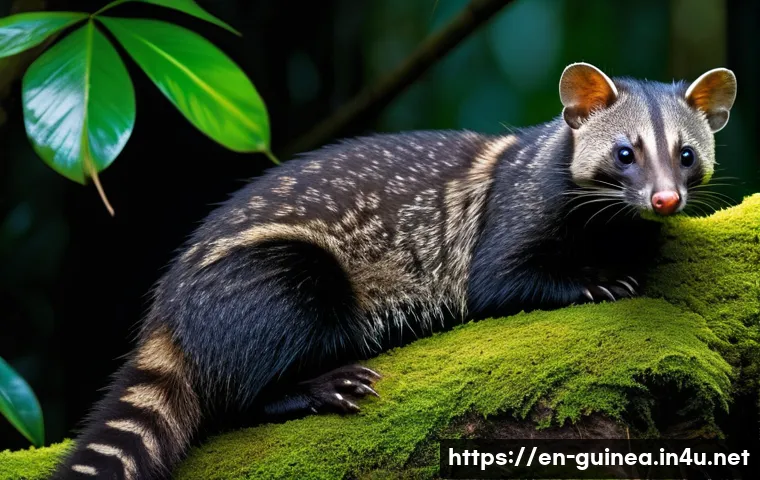
Take the African palm civet, for instance. This nocturnal creature’s mottled fur mimics the dappled light filtering through the canopy, making it nearly invisible during the day.
I remember trekking through a forest trail when suddenly, a pair of gleaming eyes caught my attention—only to vanish moments later as the civet slipped away silently.
These animals rely heavily on stealth to avoid predators and catch their prey, turning the forest floor into a living chessboard of survival tactics. Their subtle movements and muted colors are not just adaptations but a form of silent storytelling written in fur and shadow.
The Chameleons of Guinea: Masters of Color Change
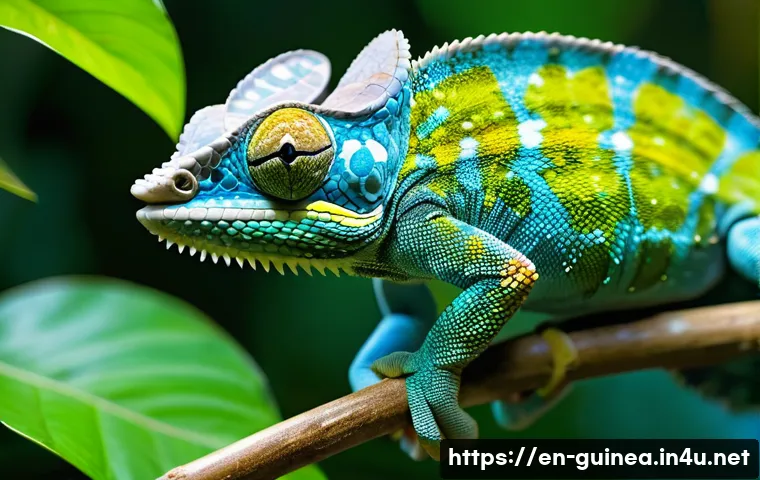
Chameleons in Guinea aren’t just your garden-variety reptiles; they’re vibrant artists of disguise. Unlike popular belief, their color changes are less about matching surroundings and more about mood, temperature, and communication.
Observing a Guinea leaf chameleon, I noticed how it shifted through hues of green, yellow, and even subtle blues as it climbed sun-dappled branches. This color dance serves multiple purposes—warding off rivals, attracting mates, or simply thermoregulating.
It’s fascinating how these creatures manage complex social signals through such dynamic displays, proving that even silent animals can have a loud voice in the ecosystem.
Silent Flyers: The Owls of Guinea’s Night
When night falls, the forests of Guinea come alive with the soft flutter of owl wings. These silent hunters have evolved specialized feathers that muffle sound, allowing them to glide through the air undetected.
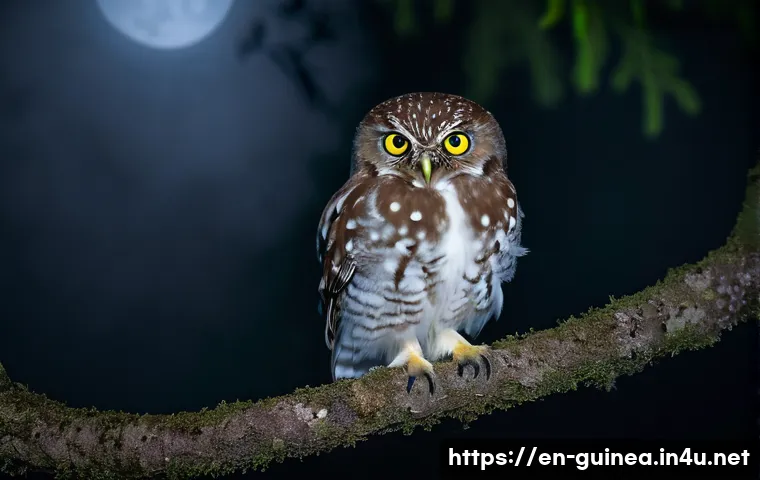
I had the chance to witness a pearl-spotted owlet swoop down on unsuspecting prey during a night walk, its flight so smooth and noiseless it was almost ghostlike.
Owls here not only play a crucial role in controlling rodent populations but also symbolize the deep, often unseen connections within the forest’s nocturnal web.
Survivors of the Savannah: Endurance in Harsh Climates
Elephants Navigating Guinea’s Changing Landscapes
Guinea’s savannas are home to a small but resilient population of African elephants that have adapted remarkably to seasonal changes. Unlike their counterparts in more expansive habitats, these elephants have developed unique migration patterns, moving between forested zones and open grasslands to find water and food.
I recall a local guide explaining how these elephants use ancient trails passed down through generations, a testament to their memory and social structure.
Their adaptability is a living lesson in endurance and intelligence in a challenging environment.
Giraffes: Tall Sentinels of the Savanna
Though not as commonly seen as in East Africa, giraffes in Guinea have carved out a niche in the savanna ecosystem. Their long necks aren’t just for reaching high foliage but also for spotting predators from afar.
Watching one stretch its neck to nibble leaves from an acacia tree, I was struck by the grace and quiet vigilance these animals embody. Their slow, deliberate movements contrast sharply with the urgency of the savanna’s predators, creating a delicate balance between predator and prey.
Hardy Antelopes: Masters of Speed and Agility
Antelopes in Guinea, such as the bushbuck and roan antelope, exhibit incredible agility and speed, essential for escaping the savanna’s many predators.
I’ve often marveled at how these animals can seemingly vanish into thin air, their coats blending with the golden grasses. Their alertness and swift reflexes are survival tools honed by millennia of evolutionary pressure, making every sighting a glimpse into nature’s high-stakes drama.
Avian Wonders: Guinea’s Feathered Jewels
Vibrant Songbirds of the Rainforest
The rainforests of Guinea are a paradise for birdwatchers, boasting an array of colorful songbirds whose melodies fill the air. Species like the splendid sunbird and the African paradise flycatcher dazzle with iridescent plumage and intricate songs.
On a morning hike, I found myself captivated by a chorus of trills and whistles, each bird contributing its unique voice to the forest’s symphony. These birds are not only beautiful but play critical roles in seed dispersal and insect control, maintaining the health of their habitats.
Majestic Raptors: Guardians of the Skies
Guinea’s skies are patrolled by powerful raptors like the African fish eagle and the palm-nut vulture. These birds of prey command respect with their sharp eyesight and hunting prowess.
I once witnessed an eagle dive with breathtaking precision to snatch a fish from a river, a reminder of the intricate food chains that sustain these ecosystems.
Raptors here are indicators of environmental health, their presence signaling a balanced and thriving habitat.
Migratory Marvels: Visitors from Afar
Each year, Guinea welcomes migratory birds such as the European bee-eater and various species of storks, adding seasonal vibrancy to the landscape. Their arrival is a spectacle of color and movement, drawing bird enthusiasts from across the globe.
These migrations highlight Guinea’s role as a vital stopover in global avian routes, emphasizing the interconnectedness of ecosystems across continents.
Unique Adaptations: Nature’s Ingenious Solutions
Water-Dependent Mammals in a Drying World
In areas where water sources fluctuate, animals like the West African manatee have developed remarkable adaptations. These gentle aquatic mammals can survive in both freshwater and brackish environments, often traveling long distances to find suitable habitats.
Observing their slow, deliberate movements in coastal rivers, I was struck by their vulnerability and resilience, underscoring the importance of conserving Guinea’s waterways.
Insect Architects: The Role of Termites
Termites might be small, but in Guinea, their architectural skills shape entire landscapes. Their towering mounds regulate temperature and humidity, creating microhabitats for other species.
Walking near a termite mound, I noticed how it served as a hub of activity for birds, reptiles, and even small mammals. These insects exemplify how tiny creatures can have outsized impacts on ecosystem dynamics.
Reptilian Survivors: Adaptations to Heat and Predation
Reptiles like the Nile monitor lizard exhibit tough adaptations to survive both the intense heat and predatory threats. Their thick, scaly skin provides protection, while their keen senses help them hunt effectively.
I’ve seen these lizards basking on riverbanks during the hottest parts of the day, perfectly balancing the need for warmth with the risk of exposure. Their presence is a reminder of the ancient lineage of life thriving alongside newer species.
Conservation Challenges and Community Efforts
Threats from Habitat Loss and Poaching
Despite its rich biodiversity, Guinea faces significant challenges in protecting its wildlife. Deforestation, mining, and poaching have put pressure on many species.
I spoke with local conservationists who described the difficulties of balancing economic development with wildlife preservation. Poaching, in particular, threatens elephants and primates, pushing some populations toward critical endangerment.
These threats highlight the urgent need for sustainable solutions.
Community-Led Conservation Initiatives
Encouragingly, many grassroots efforts are underway to involve local communities in wildlife protection. Programs that combine education, eco-tourism, and sustainable farming provide alternatives to destructive practices.
I visited a village where locals worked alongside NGOs to monitor wildlife and promote conservation-friendly livelihoods. This cooperative spirit is a beacon of hope, showing that preserving Guinea’s natural heritage is possible when people and nature work hand in hand.
Ecotourism: A Pathway to Sustainable Development
Ecotourism in Guinea is gradually gaining momentum, offering visitors immersive experiences while supporting conservation. Guided wildlife tours, birdwatching expeditions, and cultural exchanges create economic incentives for protecting habitats.
From personal experience, I found that engaging with local guides enriched my understanding of the land and its creatures far beyond what a textbook could offer.
This model not only sustains wildlife but also empowers communities, creating a virtuous cycle of preservation and prosperity.
Key Wildlife Species and Their Characteristics
| Species | Habitat | Distinctive Features | Adaptation |
|---|---|---|---|
| African Palm Civet | Rainforest | Mottled fur, nocturnal | Camouflage and stealth for hunting and evasion |
| West African Manatee | Coastal rivers and estuaries | Large aquatic mammal, slow swimmer | Adapted to both freshwater and brackish environments |
| Guinea Leaf Chameleon | Rainforest canopy | Color-changing skin | Communication, thermoregulation, mood expression |
| African Elephant | Savanna and forest edges | Large size, social behavior | Seasonal migration and water resource tracking |
| Pearl-Spotted Owlet | Forest and woodland | Small owl with spotted plumage | Silent flight for nocturnal hunting |
| Splendid Sunbird | Rainforest | Bright iridescent plumage | Pollination and insect control |
| Termite | Various, especially savanna | Large mounds, social insect | Environmental regulation via mound construction |
Encounters with Guinea’s Primates: Intelligence and Social Bonds
Chimpanzees: Our Closest Relatives
Guinea is home to populations of chimpanzees whose behavior offers striking parallels to human social dynamics. Observing them in the wild, I was amazed by their complex interactions—grooming rituals, tool use, and even displays of empathy.
These primates live in tight-knit communities, navigating social hierarchies with a sophistication that challenges us to rethink what it means to be human.
Their intelligence and emotional depth make conservation efforts all the more urgent.
Guinea Baboon: The Savanna Socialite
The Guinea baboon is a fascinating species that thrives in the savanna environment, known for its strong social bonds and vocal communication. I encountered a troop during a safari, noting how they coordinated movements and alerted each other to dangers with distinctive calls.
Their adaptability to different habitats and diets showcases evolutionary success, yet they remain vulnerable to habitat disruption, highlighting the delicate balance they maintain.
Colobus Monkeys: Elegant Forest Dwellers
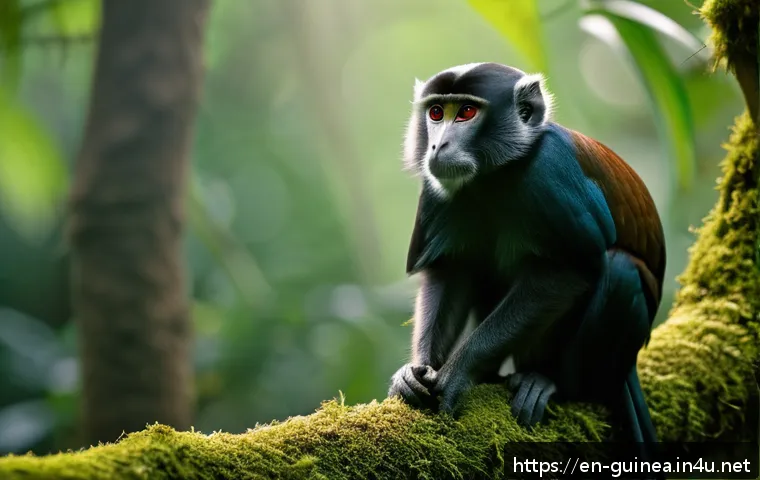
Colobus monkeys, with their striking black-and-white coats and graceful movements, are a forest jewel. Watching them leap through the canopy, I was struck by their agility and the peacefulness of their group life.
They play an important role in seed dispersal and maintaining forest health, acting as gardeners of the ecosystem. Their presence is a reminder of the intricate connections between species and the environment they inhabit.
Water Worlds: Guinea’s Aquatic and Amphibious Life
Freshwater Fish: Diversity Beneath the Surface
Guinea’s rivers and lakes harbor a rich variety of freshwater fish species, many of which are endemic. During a fishing trip, I was introduced to local species prized for both ecological and culinary value.
These fish contribute to nutrient cycling and serve as a vital food source for larger predators. Their health is tightly linked to water quality, making them indicators of environmental change.
Amphibians: The Rainforest’s Rain-Dependent Residents
Amphibians like frogs and toads flourish in Guinea’s moist environments, often emerging after rains in a chorus of calls. Their permeable skin makes them particularly sensitive to pollution and habitat loss, so their presence or absence can reveal much about ecosystem health.
Experiencing their nighttime symphony added a magical layer to my forest explorations, a reminder of nature’s rhythms.
Crocodiles: Ancient Predators of Guinea’s Waters
Crocodiles inhabit Guinea’s larger rivers and wetlands, acting as apex predators. Their stealth and power have fascinated humans for centuries, and witnessing one basking on a riverbank was both thrilling and humbling.
These reptiles help maintain balanced fish populations and influence the structure of aquatic habitats, underscoring their ecological importance.
Insect Diversity: Tiny Titans of Guinea’s Ecosystems
Butterflies: Colorful Pollinators and Indicators
Butterflies in Guinea display an astonishing variety of colors and patterns, each species playing a role in pollination and serving as indicators of habitat quality.
I spent hours tracking the fluttering trails of these delicate insects, noticing how their presence correlated with flowering plants and clean environments.
Their life cycles intricately link plant and animal communities.
Beetles and Their Ecological Roles
Beetles, often overlooked, contribute significantly to decomposition and nutrient recycling in Guinea’s forests and savannas. Observing dung beetles rolling their cargo across the ground revealed a miniature world of cooperation and survival.
These insects form a critical part of the food web, supporting larger animals and maintaining soil fertility.
Ant Societies: Complex and Cooperative
Ants in Guinea exhibit diverse behaviors from farming fungus to defending territories with remarkable teamwork. Their colonies function as superorganisms, with individuals specialized in roles from foraging to soldiering.
Watching their organized activity gave me a new appreciation for social complexity on a small scale and the invisible networks sustaining ecosystems.
Conclusion
Exploring Guinea’s diverse wildlife reveals a world of remarkable adaptations and intricate ecosystems. From the forest’s elusive creatures to the resilient savanna dwellers, each species plays a vital role in maintaining nature’s balance. Witnessing these animals firsthand deepened my appreciation for their survival strategies and the urgent need to protect their habitats. Guinea’s natural heritage is truly a treasure worth preserving for future generations.
Useful Information to Remember
1. Guinea’s rainforests harbor animals like the African palm civet and chameleons that use camouflage and color change for survival and communication.
2. Savanna species such as elephants, giraffes, and antelopes demonstrate impressive endurance and agility to thrive in challenging environments.
3. The country’s birdlife, including vibrant songbirds and powerful raptors, plays essential roles in pollination, pest control, and ecosystem monitoring.
4. Unique adaptations among aquatic mammals, insects, and reptiles highlight nature’s ingenuity in responding to environmental pressures.
5. Conservation efforts combining community involvement and ecotourism are crucial for balancing wildlife protection with sustainable development.
Key Takeaways
Guinea’s rich biodiversity depends heavily on the delicate balance between wildlife adaptation and human impact. Protecting habitats from deforestation and poaching remains a critical challenge that requires ongoing community engagement and innovative conservation strategies. Understanding the behaviors and roles of species—from primates to insects—enhances our ability to support ecosystems effectively. Sustainable practices and ecotourism offer promising pathways to safeguard Guinea’s natural wonders while fostering local livelihoods. The future of this vibrant environment hinges on collaborative efforts grounded in respect for nature’s complexity and resilience.
Frequently Asked Questions (FAQ) 📖
Q: What are some unique animals I can expect to see in Guinea’s wildlife?
A: Guinea is home to several fascinating and unique species you won’t find elsewhere. For example, the Nimba otter shrew is a rare mammal adapted to the region’s forest streams.
You’ll also encounter various colorful birds like the violet turaco and the Guinea turaco, which are known for their striking plumage and melodic calls.
Additionally, the region’s savannas host species such as the Patas monkey and several types of antelope that have evolved to thrive in the local climate.
Exploring Guinea’s wildlife really feels like stepping into a natural wonderland filled with rare and captivating creatures.
Q: When is the best time to visit Guinea to experience its wildlife?
A: From my experience and talking with locals, the dry season—typically from November to April—is the best time to explore Guinea’s wildlife. During this period, animals tend to gather around water sources, making sightings easier and more frequent.
The weather is also more comfortable for trekking through forests and savannas, with less rain to hinder your adventures. While the rainy season brings lush landscapes and active breeding behaviors, it can make travel challenging and wildlife spotting more difficult due to dense foliage.
Q: How can I ensure a responsible and safe wildlife experience in Guinea?
A: Safety and conservation go hand in hand when exploring Guinea’s wildlife. It’s crucial to hire local guides who know the terrain and animal behavior, which not only enhances your experience but also supports the local economy.
Always maintain a respectful distance from animals, avoid loud noises, and never attempt to feed or touch wildlife. Bringing proper gear like sturdy boots, insect repellent, and plenty of water will keep you safe and comfortable.
Lastly, following established trails and guidelines helps protect the habitats and ensures that future visitors can enjoy Guinea’s incredible biodiversity just as much as you do.