Hey there, fellow food explorers! You know that incredible feeling when you stumble upon a local eatery or a bustling market stall and discover a dish that just *sings* to your soul?
It’s more than just food; it’s a direct connection to a place’s heart and history, a vibrant tapestry woven with flavors and stories. I truly believe that the most memorable travel moments often involve those authentic, unassuming bites that you just can’t find anywhere else, the ones that make you feel truly immersed in a different culture and taste the real essence of a destination.
While many might think of more widely known cuisines, I’ve found that some of the most delightful culinary adventures lie in exploring the less-trodden paths, places where everyday food tells an extraordinary tale.
And let me tell you, if you’re looking for a taste experience that’s both unique and incredibly satisfying, you absolutely *have* to delve into the world of traditional Guinean snacks.
From the crispy, golden ‘patates’ – their wonderfully savory sweet potato or plantain fries often found sizzling on street corners – to the comforting, doughy ‘foutou’ that perfectly complements a rich sauce, and even the invigorating ‘bissap’ drink made from hibiscus, Guinea offers an array of incredible bites that tell a rich story of local ingredients and generations of culinary wisdom.
The sheer vibrancy of their street food scene alone is an adventure in itself, a symphony of aromas and bustling energy that truly captures the welcoming spirit of West African hospitality.
These aren’t just quick bites; they’re an integral part of daily life and community, reflecting centuries of cultural exchange and indigenous traditions.
Ready to journey through the vibrant flavors of West Africa and uncover these delicious, often overlooked, culinary gems that are waiting to absolutely dazzle your taste buds?
Let’s dive in and explore the traditional snacks of Guinea!
Unveiling West Africa’s Culinary Secrets
The Allure of Street Food Discoveries
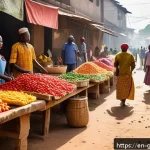
There’s something truly magical about wandering through a new city and letting your nose guide you to incredible street food finds. My first trip to Guinea was an absolute awakening for my taste buds, and I quickly realized that the real culinary treasures weren’t hidden in fancy restaurants, but sizzling on roadside stalls and bustling market corners.
It’s an experience that engages all your senses – the vibrant colors of fresh produce, the rhythmic chatter of vendors, the intoxicating aroma of spices wafting through the air, and of course, the incredible flavors that burst with every bite.
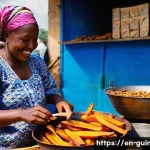
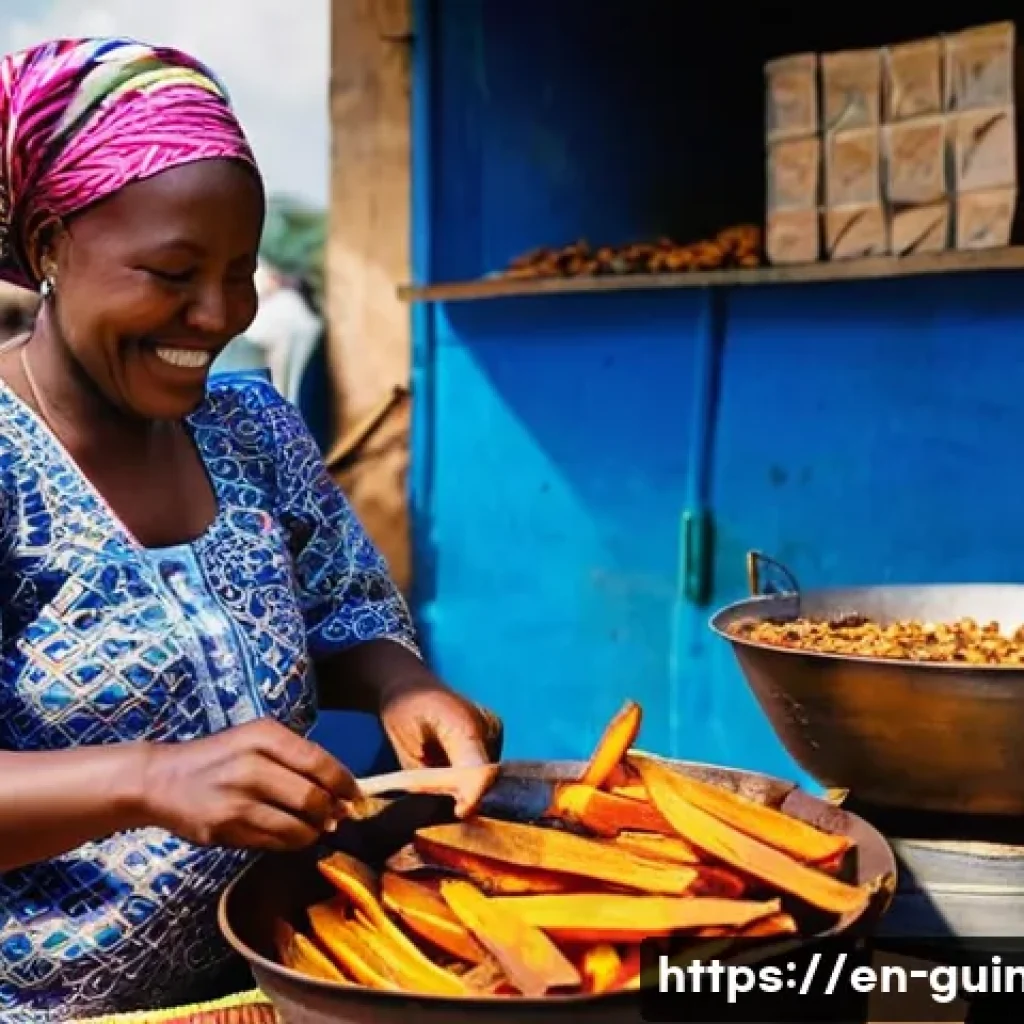
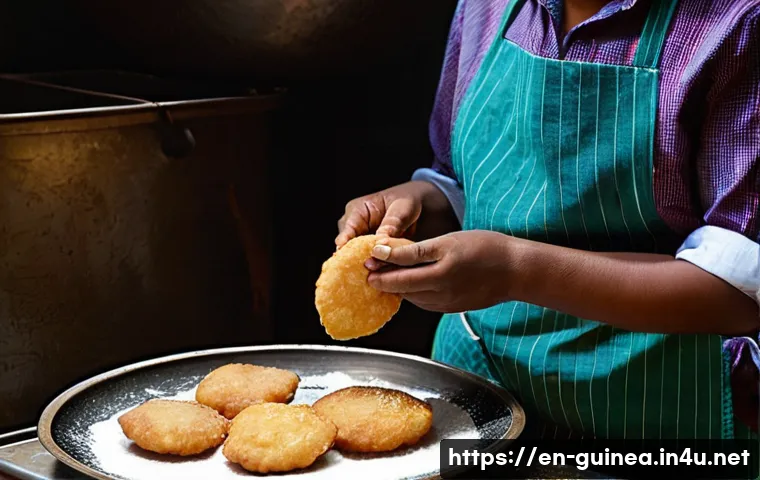
I remember vividly stumbling upon a woman expertly frying what looked like golden-brown fritters, her smile as warm as the tropical sun. Curiosity, as it often does, led me to try them, and just like that, I was introduced to a whole new world of deliciousness.
This is where you connect with the heart of a place, where generations of cooking traditions are preserved and shared in the most authentic way possible.
It’s an adventure I’d recommend to any true food lover, because these aren’t just quick bites; they’re stories told through food, each one a delightful chapter in Guinea’s rich cultural narrative.
You’ll quickly find yourself making friends with the vendors, learning a few local phrases, and truly feeling like a part of the community, all thanks to a simple, delicious snack.
Beyond the Usual: Unique Flavors to Savor
Forget everything you think you know about snacks when you step into the world of Guinean street food. This isn’t your average grab-and-go fare; these are carefully prepared, flavor-packed morsels that often defy easy categorization.
I’ve always been an adventurous eater, but even I was pleasantly surprised by the sheer variety and depth of flavor I encountered. Take, for instance, the way they transform simple root vegetables or plantains into crispy, savory delights – it’s an art form.
It’s not just about the ingredients themselves, but the unique blend of local spices and cooking techniques passed down through families. You might find a snack that’s subtly sweet one moment, then turn around and discover another bursting with a spicy kick from fiery habaneros.
What truly blew me away was how these seemingly humble ingredients, often locally sourced, are elevated to something truly extraordinary. It’s a testament to the ingenuity and passion of Guinean cooks.
Every bite feels like a discovery, a little secret shared between you and the vibrant culture surrounding you. I truly believe that trying these unique flavors is not just eating; it’s a profound way to immerse yourself in the local way of life and appreciate the rich tapestry of West African cuisine.
A Taste of Tradition: Snacks with Soul
From Farm to Feast: Celebrating Local Ingredients
One of the things I absolutely adore about Guinean snacks is how deeply connected they are to the land. You can practically taste the freshness of the ingredients, a direct link from the local farms and markets right to your plate – or rather, your hand, because most of these are meant to be enjoyed on the go!
It’s not about elaborate imported goods; it’s about celebrating what’s abundant and naturally delicious in Guinea. Think about the sweet potatoes and plantains, which are staples and form the base of so many beloved snacks.
They’re grown right there, often by small-scale farmers, then brought to market fresh daily. This commitment to local produce isn’t just about sustainability; it’s about flavor.
I’ve noticed a remarkable difference in the intensity and sweetness of a Guinean plantain compared to some I’ve had elsewhere. The same goes for the peanuts, which are roasted to perfection and ground into the most incredible sauces, or the vibrant hibiscus flowers used for their refreshing drinks.
This farm-to-feast philosophy means every snack tells a story of the soil, the sun, and the hands that nurtured it. It really gives you a sense of grounding and appreciation for where your food comes from, making each bite even more meaningful and delicious.
The Art of Guinean Frying: Crispy Delights
If there’s one thing Guinean street food vendors have mastered, it’s the art of frying. And I mean *art*. It’s not just throwing things in hot oil; it’s a precise dance of temperature, timing, and technique that results in some of the most satisfyingly crispy, perfectly cooked snacks you’ll ever encounter.
I’ve spent countless hours mesmerized by the rhythmic sizzle and pop of frying plantains or sweet potatoes on a street corner. The exterior achieves this incredible, golden crunch, while the inside remains tender and full of flavor.
It’s a texture contrast that just keeps you coming back for more. They often use locally sourced palm oil, which imparts a unique flavor that’s distinctively West African and adds another layer of authenticity to the taste.
My personal experience has been that this kind of frying is about more than just cooking; it’s about creating that perfect balance of crispiness and tenderness, that slight chew, and that beautiful golden hue.
It’s a skill that takes years to perfect, and you can absolutely taste the expertise in every single bite. It’s a testament to how simple ingredients, when handled with traditional care and knowledge, can transform into something truly extraordinary and utterly addictive.
Sweet & Savory Sensations: My Top Picks
The Irresistible Crunch of “Patates”
Alright, let’s talk about “patates” – and no, I’m not just talking about your average French fries here. In Guinea, “patates” usually refers to perfectly fried slices of sweet potato or plantain, and they are an absolute game-changer.
The first time I tried them, I was struck by their delightful sweetness, beautifully caramelized on the outside, with a soft, slightly chewy interior.
The plantain version, often a bit greener when fried, offers a savory counterpoint, a perfect blend of starchy goodness with a hint of natural sugar. What makes them truly irresistible is that perfect crispiness achieved through traditional frying methods.
They’re often served simply, maybe with a sprinkle of salt, or sometimes alongside a zesty chili sauce that adds a wonderful kick. I remember one afternoon, grabbing a generous paper cone of these golden beauties from a street vendor, still warm from the fryer, and just relishing every single piece as I walked through the bustling market.
It’s such a simple snack, yet it’s packed with so much flavor and comfort. You’ll quickly find yourself reaching for another, and another, and before you know it, the cone is empty, and you’re already planning your next “patates” run.
They’re truly a must-try for anyone venturing into Guinean cuisine.
Foutou & Sauce: A Comforting Embrace
While not always a “snack” in the quick-bite sense, I absolutely have to include “foutou” here because it’s a staple that often appears in smaller portions as a comforting, soul-satisfying offering, especially in homes or local eateries.
Foutou is essentially a dense, dough-like ball made from pounded cassava or plantains, and it’s always, *always* served with a rich, flavorful sauce. This isn’t something you’d typically find on a street corner like patates, but it’s an essential part of the culinary landscape and often enjoyed casually throughout the day.
The magic of foutou lies in its ability to soak up all the incredible flavors of the accompanying sauce, which can range from a spicy peanut stew to a savory palm oil sauce with tender meat or fish.
I vividly recall sitting down at a small, family-run spot, being handed a plate of warm foutou with a vibrant, aromatic groundnut sauce. Using my right hand, as is the custom, to break off a piece and dip it into the sauce was an experience in itself – a truly immersive way to enjoy the food.
It’s hearty, incredibly satisfying, and offers a deep dive into the comforting, home-style cooking that defines Guinean cuisine. It’s less about a quick bite and more about a warm, fulfilling embrace for your palate.
Sipping the Spirit of Guinea: Local Beverages
Bissap: The Refreshing Hibiscus Nectar
After indulging in all those savory and sometimes spicy snacks, you’re going to need something wonderfully refreshing to wash it all down, and that’s where “bissap” comes in.
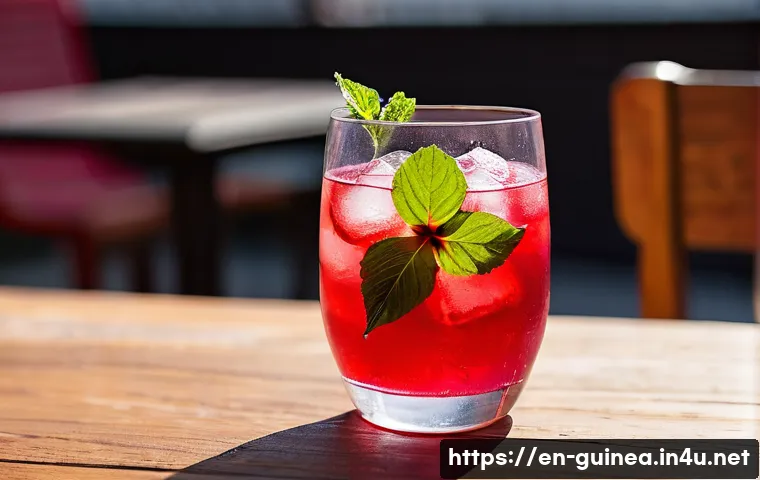
This vibrant, ruby-red drink made from hibiscus flowers is an absolute lifesaver in the Guinean heat, and honestly, it’s just plain delicious. It’s often sweetened and sometimes flavored with a hint of mint or ginger, giving it a complex, invigorating taste that’s both tart and sweet at the same time.
I remember my first sip of cold bissap on a particularly hot afternoon; it was like a burst of pure, floral refreshment, instantly revitalizing. You’ll find it everywhere, from large bottles sold in markets to small plastic sachets offered by street vendors.
It’s incredibly popular, and for good reason – it’s natural, packed with flavor, and just hits the spot every single time. It’s more than just a drink; it’s a cultural icon, a beloved part of daily life, and a testament to how even simple ingredients can be transformed into something truly special.
If you’re looking for a non-alcoholic beverage that truly embodies the spirit of West Africa, bissap is an absolute must-try. You’ll be hooked, trust me!
Beyond Water: Other Thirst Quenchers
While bissap holds a special place in my heart, Guinea offers other intriguing local drinks that are worth exploring. Another popular option you’ll often encounter is a refreshing ginger drink, locally known as “gingembre.” This potent, spicy, and often sweet concoction delivers an invigorating kick that’s perfect for clearing the palate and waking up your senses.
It’s a natural pick-me-up that’s both delicious and believed to have various health benefits. I recall a bustling market where a vendor enthusiastically poured me a small cup of freshly made gingembre, and the zing of ginger combined with the sweetness was an unexpected delight.
Beyond these, you might also find fresh fruit juices, often made from local seasonal fruits like mango or pineapple, which are bursting with natural sweetness and tropical flavors.
These aren’t always as common on the street as bissap or gingembre, but they’re certainly available and offer another fantastic way to cool down and enjoy the local produce.
Exploring these beverages is just another wonderful layer to the Guinean culinary experience, showing how resourceful and creative the local people are with their readily available ingredients.
The Heartbeat of the Market: Where Food Comes Alive
Navigating the Bustling Food Stalls
Stepping into a Guinean market is an experience in itself – a vibrant symphony of sights, sounds, and smells. But for a food lover like me, it’s also the ultimate hunting ground for authentic snacks.
The sheer energy is infectious, with vendors calling out their wares, haggling over prices, and the constant hum of conversation filling the air. Navigating these bustling food stalls is an adventure, a joyous challenge of weaving through crowds, observing the cooking process, and deciding which tantalizing aroma to follow next.
I’ve found that the best strategy is to simply wander, let your instincts guide you, and be open to trying anything that catches your eye. Don’t be afraid to ask questions (a simple gesture often suffices if language is a barrier!), and watch how the locals interact with the food.
That’s how you find the truly authentic spots, the hidden gems that might not look like much but deliver an explosion of flavor. It’s a sensory overload in the best possible way, and I guarantee you’ll leave with a full belly, a happy heart, and perhaps a few new favorite snacks you never knew existed.
The market isn’t just a place to buy food; it’s a living, breathing testament to Guinean culture and community, centered around the universal love of good food.
Connecting Through Cuisine: A Shared Experience
What truly stands out about the Guinean snack scene, particularly within the bustling markets, is the profound sense of connection it fosters. It’s not just about the food itself; it’s about the shared experience.
I’ve had countless heartwarming interactions with vendors and fellow market-goers, all centered around a simple plate of fried delicacies or a refreshing drink.
There’s a genuine warmth and hospitality that shines through. You might find yourself sharing a bench with a local, exchanging smiles, and even attempting a few words in a common language, all while enjoying the same delicious snack.
It’s these moments, these brief but meaningful connections forged over food, that truly enrich the travel experience. It’s a reminder that food is a universal language, capable of bridging cultural gaps and creating lasting memories.
I’ve learned so much about Guinean life, customs, and even local jokes just by sitting and observing, and occasionally participating, in these everyday food rituals.
It’s a wonderful way to move beyond being just a tourist and truly feel immersed in the local culture, creating stories and memories that last long after the last bite.
| Popular Guinean Snacks & Drinks | Key Ingredients | Flavor Profile | Best Enjoyed With |
|---|---|---|---|
| Patates (Sweet Potato/Plantain Fries) | Sweet potato or plantain, palm oil, salt | Sweet, savory, crispy | Chili sauce, on its own |
| Bissap (Hibiscus Drink) | Hibiscus flowers, sugar, water (sometimes mint/ginger) | Sweet, tart, floral | Any meal or snack, refreshing on hot days |
| Foutou & Sauce | Pounded cassava/plantain (foutou), peanut/palm oil sauce, meat/fish | Savory, rich, comforting | Shared meal, as a hearty “snack” |
| Gingembre (Ginger Drink) | Ginger, sugar, water | Spicy, sweet, invigorating | As a pick-me-up, with richer foods |
| Acra/Beignets (Fritters) | Flour, sugar, yeast (sometimes beans or fruit) | Sweet, slightly chewy | Morning coffee, afternoon treat |
More Than Just a Snack: A Cultural Journey
Understanding Guinean Hospitality Through Food
Food, in Guinea, is far more than mere sustenance; it’s an intrinsic part of their deep-rooted culture of hospitality. I’ve experienced firsthand how sharing a meal, even a simple snack, is a profound gesture of welcome and friendship.
It’s not uncommon to be offered a piece of fruit or a small fritter by a stranger, or to be invited to join a family for a quick bite. This generosity speaks volumes about the warmth of the Guinean people.
My interactions, whether purchasing a small bag of roasted peanuts or sitting down for a more elaborate “foutou” experience, have always been marked by genuine smiles and an openness to connect.
This isn’t just transactional; it’s an opportunity for cultural exchange, a chance to understand the values of community and sharing that are so central to Guinean life.
It truly makes you feel seen and welcomed, transforming what could be just a quick meal into a memorable encounter. Experiencing this kind of hospitality through their food has been one of the most heartwarming aspects of my culinary travels in West Africa.
It elevates every single bite into a deeper appreciation of the people and their rich traditions.
Simple Pleasures, Lasting Memories
At the end of the day, what I take away from my Guinean snack adventures are not just the flavors, though those are unforgettable, but the lasting memories tied to simple pleasures.
It’s the sound of sizzling oil, the aroma of spices mingling with woodsmoke, the vibrant colors of fresh ingredients, and most importantly, the smiles of the people I’ve met along the way.
These aren’t gourmet, Michelin-star experiences; they’re raw, authentic, and utterly captivating. There’s a beauty in the simplicity of a perfectly fried plantain, or the comforting warmth of a ginger drink.
These everyday culinary moments have a way of seeping into your soul and staying with you long after you’ve left. They remind you that some of the greatest joys in life come from the most unassuming sources, and that truly immersing yourself in a culture often begins with a single, delicious bite.
I encourage everyone to step out of their comfort zone and seek out these unpretentious culinary gems. Trust me, the flavors, the stories, and the connections you’ll make will be memories you cherish for a lifetime.
Wrapping Things Up
And there you have it, a culinary adventure through the vibrant, heartwarming world of Guinean snacks and drinks! My hope is that by sharing these experiences, you feel a little more connected to the incredible flavors and even more incredible people of West Africa. It’s truly been a journey of discovery, not just for my palate, but for my soul, proving once again that some of the richest travel memories are made over the simplest, most authentic meals. Every bite tells a story, every sip offers a piece of history, and every interaction leaves an indelible mark. So, next time you’re planning an adventure, consider letting your taste buds lead the way – you might just find your next favorite cultural immersion!
Useful Information to Keep in Mind
1. Embrace the Market Vibe
When you venture out to explore Guinean street food, remember that the bustling local markets are your best friends. These aren’t just places to buy goods; they’re the heart of the community, where food traditions come alive. Don’t be shy – immerse yourself in the vibrant chaos, observe how locals interact, and let the enticing aromas guide you. It’s truly the most authentic way to discover hidden culinary gems and connect with the real pulse of the city. You’ll find vendors eager to share their craft, and often, a little bit of a smile and a few local phrases go a long way in enhancing your experience. It’s a feast for all the senses, and a crucial part of the adventure!
2. Cash is King & Bargaining is Common
While credit cards might be your go-to at home, in the street food scene of Guinea, cash is almost always preferred, specifically the West African CFA franc (XOF). Make sure you have plenty of small denominations on hand for easy transactions. And a friendly tip from my own experience: don’t be afraid to engage in a bit of lighthearted bargaining, especially in markets. It’s part of the cultural exchange, a common practice, and often leads to a more engaging interaction with the vendors. Just remember to always be respectful and keep a good-natured attitude – it’s all part of the fun!
3. Be Open to New Flavors and Customs
Guinean cuisine is a beautiful tapestry of unique flavors, spices, and cooking methods. My advice? Go in with an open mind and an adventurous palate! You might encounter ingredients or combinations you’re not familiar with, but that’s where the magic happens. Many traditional snacks and meals are enjoyed with your right hand, a customary and hygienic practice. Embrace these local customs; it’s a sign of respect and will significantly enrich your culinary journey. I personally found that letting go of my preconceived notions led to some of the most delightful and surprising discoveries, truly making me feel like a local.
4. Hydrate with Local Refreshments
The West African sun can be intense, so staying hydrated is key to enjoying your food explorations. Thankfully, Guinea offers some truly delicious and refreshing local beverages. “Bissap,” the vibrant hibiscus drink, is a fantastic choice – tart, sweet, and incredibly revitalizing. And don’t miss out on “Gingembre,” the spicy ginger concoction that provides an invigorating kick. These aren’t just thirst quenchers; they’re an integral part of the culinary landscape and a delightful way to cool down while savoring authentic local flavors. Trust me, after a spicy snack, a cold bissap hits differently!
5. Prioritize Food Safety (and Trust Your Gut)
While embracing street food, it’s always wise to exercise a little common sense regarding hygiene. I always look for stalls that appear busy (a good sign of fresh turnover), where the food is cooked to order, and where the vendors are handling ingredients cleanly. Trust your instincts – if something doesn’t look or smell quite right, it’s okay to politely move on to the next enticing stall. Carrying a small hand sanitizer is always a good idea too. My personal rule of thumb is to stick to freshly cooked, hot items, and I’ve always had wonderful, worry-free experiences this way. Don’t let caution deter you, just be smart about your choices!
Key Takeaways
Exploring Guinean street food is an authentic, unforgettable adventure that extends far beyond just satisfying your hunger; it’s a deep dive into the heart of their culture and hospitality. From the sizzling “patates” to the refreshing “bissap,” each bite and sip offers a story of tradition, resourcefulness, and community. Embrace the bustling markets, connect with the friendly locals, and allow yourself to be captivated by the vibrant array of flavors. This journey taught me that true culinary treasures are often found in the simplest, most genuine settings, creating not just delicious memories, but a profound appreciation for West African life.
Frequently Asked Questions (FAQ) 📖
Q: I’m intrigued! What exactly are these traditional Guinean snacks like, especially ‘patates,’ ‘foutou,’ and ‘bissap’ that you mentioned?
A: Oh, you are in for such a treat! Let me paint a picture for you. When I first encountered ‘patates,’ I instantly fell in love.
Imagine perfectly fried slices of sweet potato or plantain, often served piping hot from a street vendor. They’re usually savory, sometimes with a delightful hint of sweetness if they’re plantain, and often sprinkled with a little chili for a kick – so wonderfully crispy on the outside and tender inside!
Then there’s ‘foutou,’ which is truly the ultimate comfort food. It’s a soft, doughy ball made from pounded cassava or yam, and it’s absolutely brilliant for scooping up and savoring all those rich, flavorful sauces and stews that are so popular in Guinean cuisine.
It really brings a dish together, giving it that hearty, satisfying feel. And for a refreshing pick-me-up, you simply must try ‘bissap.’ It’s a vibrant, ruby-red drink made from hibiscus flowers, often sweetened and sometimes flavored with a hint of mint or ginger.
After a bustling day exploring the markets under the West African sun, a chilled glass of bissap is incredibly invigorating – tangy, sweet, and oh-so-quenching!
Each one offers a truly unique taste of Guinea.
Q: It sounds amazing! Where would I typically find these delicious snacks, and what’s the atmosphere like when trying them in Guinea?
A: That’s such a great question, because discovering these snacks is as much about the experience as it is about the food itself! You’ll find the most authentic and delicious versions right on the street corners, especially in the bustling markets and around bus stations in cities like Conakry.
Small, often family-run, stalls will be set up with their large frying pans sizzling away, emitting the most incredible aromas that just draw you in. The atmosphere is just electric!
It’s a symphony of sounds – the chatter of vendors and customers, the rhythmic pounding of ingredients, and the joyous laughter of people going about their day.
Vendors are usually incredibly friendly and welcoming, often happy to share a little about their food. I remember one time, I was handed a steaming plate of ‘patates’ by a woman with the warmest smile, and it felt like I was instantly part of the local fabric.
It’s not just a quick bite; it’s a moment of connection, a vibrant slice of daily life that you get to taste and feel. Trust me, the street food scene in Guinea is an adventure for all your senses!
Q: For someone visiting Guinea, are these traditional snacks generally safe and easy to try, and do you have any tips for a first-timer?
A: Absolutely, and I wholeheartedly encourage you to dive in! From my personal experience, trying the local snacks is one of the most rewarding parts of traveling in Guinea.
Generally, these traditional snacks are quite safe, especially if you stick to stalls that are busy and have a high turnover – that usually means the food is fresh and cooked right in front of you.
My biggest tip for a first-timer? Don’t be shy! Walk around, observe, and when something catches your eye (or your nose!), give it a try.
Look for places where the food is freshly prepared and still hot. And honestly, embrace the adventure! Sometimes the best finds are those tiny, unassuming spots tucked away.
Also, don’t be afraid to ask locals for recommendations; they are incredibly proud of their cuisine and will happily point you to their favorites. A little bit of flexibility and an open mind will lead you to some truly unforgettable culinary discoveries that go far beyond just satisfying your hunger – they’ll fill your heart with genuine local flavor and warmth.