Traveling through Guinea offers an adventurous glimpse into West Africa’s vibrant culture, but getting around can feel overwhelming without the right guidance.
With recent improvements in infrastructure and a growing interest in eco-friendly transport options, now’s the perfect time to explore Guinea like a local.
Whether you’re hopping on a bush taxi or navigating bustling city streets, knowing the ins and outs of local transportation can transform your trip from stressful to seamless.
Stick around as we dive into practical tips and insider advice that will help you travel smarter and soak up authentic experiences along the way. Trust me, these insights will make your journey not just easier but truly unforgettable.
Mastering the Art of Bush Taxi Travel
Understanding the Bush Taxi Culture
Traveling by bush taxi in Guinea is not just a means of getting from point A to B; it’s an immersive cultural experience. These shared minibuses or pickup trucks serve as the backbone of intercity travel and rural connectivity.
What’s fascinating is how the system operates: drivers often wait until their vehicle is full before departing, creating a lively atmosphere filled with bargaining, chatting, and local banter.
If you’re patient and sociable, you’ll find this mode of transport offers more than just a ride—it’s a window into daily life, where you can meet locals, learn snippets of the language, and get insider tips on hidden gems along the route.
Tips for Navigating and Booking Bush Taxis
Booking a bush taxi is straightforward but requires some local savvy. Most departures happen from designated “gare routière” or bus stations in cities and towns.
Arriving early ensures you grab a seat and avoid last-minute rushes. Prices aren’t fixed, so expect to negotiate—sometimes aggressively—with drivers or their assistants, known as “commis.” It’s smart to have small bills ready, as change can be scarce.
Also, keep your belongings close; while Guinea is generally safe, crowded vehicles create opportunities for pickpocketing. Lastly, bring snacks and water, as journeys can be long and bumpy.
What to Expect During the Journey
Bush taxi rides are often an adventure in themselves. Roads can be rough, especially outside urban areas, so expect dust, noise, and occasional stops for repairs or refreshment breaks.
Seating can be cramped, and the vehicle may be packed beyond capacity during peak times. Despite these challenges, the camaraderie among passengers, the changing landscapes, and spontaneous roadside markets make the trip memorable.
Embracing the unpredictability is key to enjoying this authentic travel style.
City Commutes: Navigating Conakry’s Bustling Streets
Using Local Minibuses and Taxis
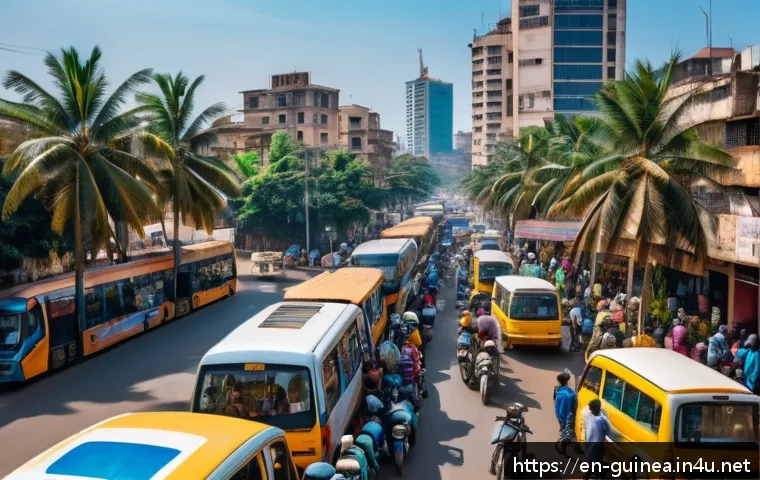
Conakry’s urban transport scene is a mix of minibuses, private taxis, and moto-taxis (motorcycle taxis). Minibuses are affordable and cover most routes but can be crowded during rush hours.
They operate on a fixed route but rarely have formal stops, so flagging them down anywhere along the road is common practice. Private taxis offer more comfort and flexibility but come at a higher cost.
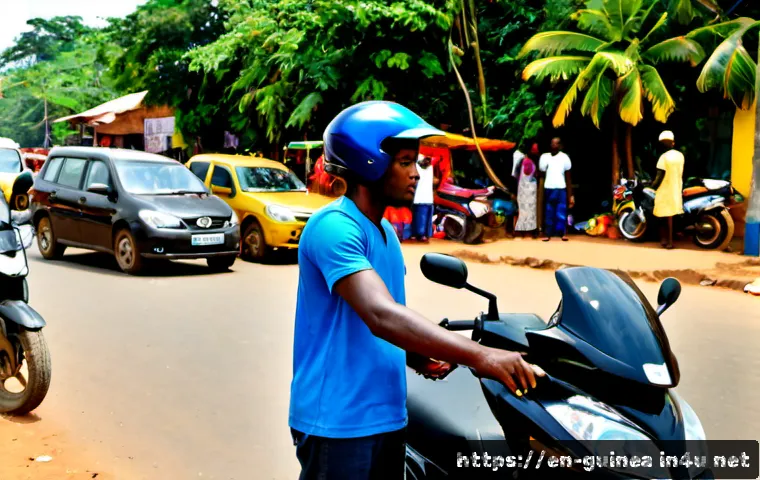
Moto-taxis are a popular choice for short distances and navigating through traffic jams, though they require a bit of courage if you’re not used to two-wheelers.
Safety and Etiquette in City Transport
Safety in Conakry’s transport can vary. It’s wise to avoid traveling alone at night, especially on moto-taxis. Always agree on a fare before starting your trip to avoid disputes later.
When using minibuses, keep your valuables secure and be mindful of your surroundings. A friendly tip: locals appreciate politeness and patience, so a simple greeting or “thank you” goes a long way in building rapport.
Additionally, wearing comfortable clothes and shoes will help you handle the sometimes chaotic boarding and disembarking.
Timing Your Trips to Beat the Traffic
Conakry’s traffic congestion is notorious, particularly during morning and evening rush hours. Planning your trips outside peak times can save hours of waiting.
Mid-morning and mid-afternoon tend to be less hectic, and weekends usually see lighter traffic. If you have time-sensitive plans, consider using moto-taxis for quicker, more direct routes.
Apps for ride-hailing are still emerging here but check for availability if you prefer digital convenience.
Eco-Friendly and Emerging Transport Options
Bicycle Rentals and Sustainable Travel
In response to environmental concerns and the need for affordable local transport, bicycle rentals have started gaining traction in urban areas like Conakry.
Renting a bike is an excellent way to explore neighborhoods at your own pace while reducing your carbon footprint. The terrain can be challenging, with some unpaved roads, so it’s best suited for travelers who are comfortable cycling in less structured traffic environments.
Helmets and water bottles are essential, and early mornings are ideal for cooler rides.
Electric Motorbikes and Green Initiatives
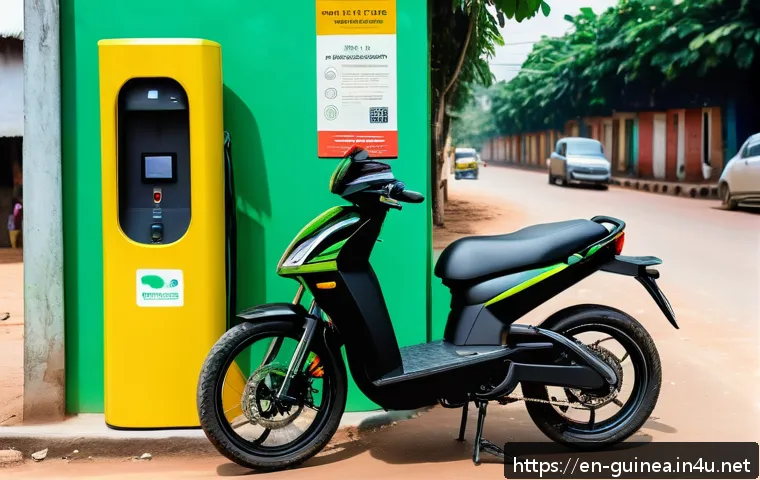
Some startups and NGOs in Guinea are introducing electric motorbikes as a cleaner alternative to traditional motos. Though still limited in number, these eco-friendly vehicles promise quieter rides and less pollution, aligning with global sustainability trends.
If you spot one, supporting these services not only helps the environment but also encourages innovation in local transport infrastructure. For travelers passionate about green travel, keeping an eye on these emerging options can add a meaningful dimension to your trip.
Walking Tours as a Transport Alternative
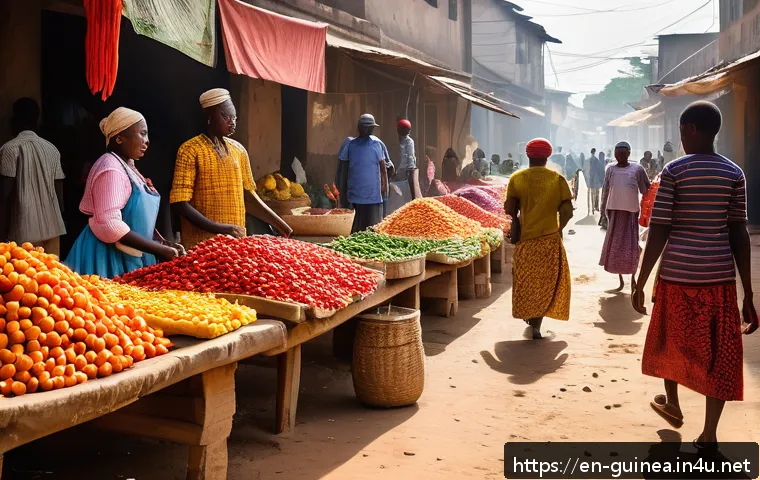
For short distances within towns or scenic areas, walking remains one of the best ways to soak in Guinea’s culture. Many neighborhoods have pedestrian-friendly streets where you can discover markets, street food vendors, and artisan shops at a leisurely pace.
Walking also allows spontaneous stops and conversations with locals, making your journey more personal and memorable. Just be sure to stay hydrated and protect yourself from the sun, as Guinea’s climate can be quite warm.
Understanding the Road Network and Infrastructure
Main Highways and Road Conditions
Guinea’s road network has seen significant upgrades recently, with major highways connecting key cities such as Conakry, Kankan, and Nzérékoré. These roads are generally paved and in good condition, facilitating smoother and faster travel.
However, once you veer off these main arteries into rural or mountainous regions, road quality can deteriorate quickly, with dirt roads and potholes common.
Planning routes with local advice or GPS mapping apps that work offline is advisable to avoid unexpected delays.
Seasonal Challenges and Travel Planning
The rainy season, typically from June to October, can drastically affect travel plans. Heavy rains often render dirt roads impassable, leading to vehicle breakdowns or cancellations.
Bush taxis might be harder to find, and travel times can double or triple. If you’re traveling during this period, it’s crucial to build flexibility into your schedule and have backup transport options.
Weather forecasts and local insights will be your best friends in navigating these challenges.
Signage and Navigation Tips
Road signage in Guinea is limited and often not in English, which can complicate navigation for foreigners. Familiarizing yourself with basic French road terms helps a lot.
GPS apps like Google Maps work in urban areas but may be less reliable in remote locations. Asking locals for directions remains the most effective way to find your way.
Carrying a physical map or downloading offline maps can provide extra security when technology fails.
Safety, Comfort, and Cost Considerations
Balancing Budget and Comfort
Traveling in Guinea offers a wide range of options to suit different budgets. Bush taxis and minibuses are wallet-friendly but can be cramped and uncomfortable for long journeys.
Private taxis and car rentals offer more comfort and privacy but at a higher price. For me, mixing transport modes worked best—using bush taxis for short hops and private taxis when I needed speed or a break from crowded spaces.
Always weigh the cost against your comfort needs, especially on longer trips.
Staying Safe on the Road
Safety is paramount when traveling in Guinea. Always keep an eye on your belongings, especially in crowded transport. Avoid traveling alone at night in unfamiliar areas, and choose well-lit, busy spots to wait for rides.
If you rent vehicles, ensure the driver is licensed and the vehicle is in good condition. Trust your instincts—if a situation feels off, it’s okay to walk away and seek another option.
How to Handle Language Barriers and Communication
French is Guinea’s official language, and many drivers and locals speak little to no English. Learning a handful of essential phrases can make a huge difference.
Carrying a phrasebook or translation app is helpful. Additionally, nonverbal communication—gestures, pointing, smiling—goes a long way in bridging gaps.
I found that locals appreciate the effort even if my pronunciation was far from perfect, which often led to friendlier interactions and better travel experiences.
Comparing Transport Options: A Quick Overview
| Transport Type | Cost Range (USD) | Comfort Level | Typical Routes | Best For |
|---|---|---|---|---|
| Bush Taxi | 1 – 5 | Basic, crowded | Intercity, rural | Budget travelers, cultural immersion |
| Minibus (City) | 0.5 – 2 | Moderate, crowded | Urban routes | Short city commutes |
| Private Taxi | 5 – 20 | Comfortable, private | City and intercity | Flexibility and comfort |
| Moto-Taxi | 1 – 3 | Basic, fast | Short urban distances | Quick trips in traffic |
| Bicycle Rental | 3 – 10 per day | Active, eco-friendly | Urban and suburban | Exploration and fitness |
| Electric Motorbike | Variable | Quiet, eco-friendly | Emerging urban routes | Green-conscious travelers |
In Conclusion
Traveling through Guinea’s diverse transport options offers more than just movement—it’s a gateway to authentic cultural experiences and local connections. Whether hopping on a bush taxi or exploring the city by bike, embracing the unique rhythms of each mode enriches your journey. Patience, openness, and a spirit of adventure are your best companions on the road here.
Helpful Tips to Remember
1. Always arrive early at bus stations to secure your spot and avoid last-minute stress.
2. Carry small bills for easier transactions and to help with negotiating fares smoothly.
3. Keep your belongings close and stay alert, especially in crowded vehicles and busy urban areas.
4. Learn a few key French phrases or use a translation app to bridge communication gaps.
5. Plan your trips around peak traffic times and weather conditions to make travel more comfortable and efficient.
Key Takeaways for Safe and Enjoyable Travel
Understanding Guinea’s transport landscape means balancing cost, comfort, and safety. Embrace local customs and remain cautious with your valuables. Flexibility is crucial during rainy seasons or on less developed roads. Prioritize your comfort by mixing transport types and always trust your instincts when situations feel uncertain. With these insights, your travels can be both safe and memorable.
Frequently Asked Questions (FAQ) 📖
Q: uestions about Traveling in GuineaQ1: What is the safest and most reliable way to get around Guinea as a tourist?
A: From my experience, using bush taxis is the most common way locals travel between cities, and they’re quite affordable. However, for safety and comfort, especially if you’re new to the area, arranging private car hires or using reputable taxi services in cities like Conakry can make your journey smoother.
Always check with your accommodation for trusted drivers or transport options. Roads have improved recently, but some rural routes can still be rough, so planning ahead helps a lot.
Q: Are there eco-friendly transportation options available in Guinea?
A: Eco-friendly transport is gaining traction, especially in urban centers. I noticed more electric motorbikes and bicycles popping up in Conakry, which is fantastic for short trips around town and reduces your carbon footprint.
While this isn’t widespread yet, renting a bike or opting for shared rides when possible can be a great way to explore sustainably. Plus, it gives you a more authentic feel of the local lifestyle.
Q: How can I avoid getting overwhelmed by Guinea’s chaotic traffic and transportation system?
A: Trust me, Guinea’s traffic can be a bit chaotic at first glance, but staying calm and going with the flow helps. One tip I found useful is to travel during daylight hours when visibility is better and public transport is more reliable.
Also, learning a few basic phrases in French or local languages can ease communication with drivers and vendors. Planning your routes ahead and asking locals for advice on the best times and modes of transport will save you a lot of stress.