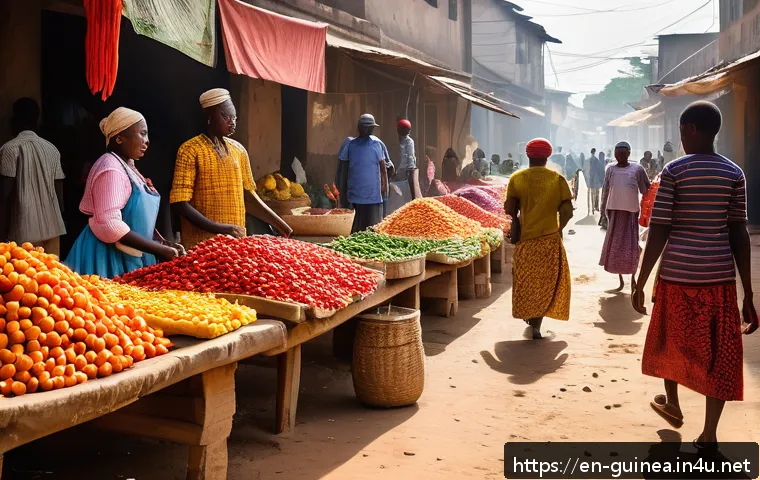
As global investors increasingly seek untapped markets, Guinea stands out as a promising destination brimming with potential. Recent developments in infrastructure and natural resources have sparked fresh interest, making it an ideal time to explore overseas investment opportunities here.
Whether you’re a seasoned investor or just starting, understanding Guinea’s unique economic landscape can unlock significant returns. In this post, we’ll dive into some of the most lucrative sectors and reveal why Guinea deserves a closer look on your investment radar.
Stick around to discover hidden gems that could redefine your portfolio’s future.
Emerging Infrastructure Projects Driving Growth
Expanding Transportation Networks
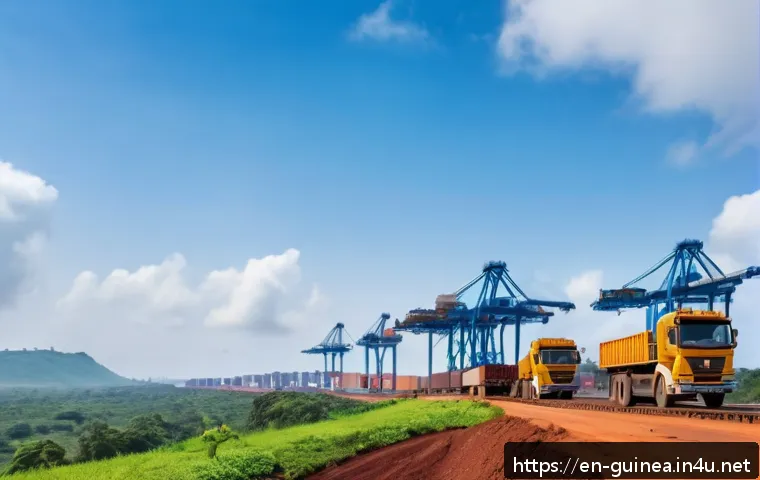
Guinea’s government has recently prioritized upgrading its transportation infrastructure, which is pivotal for unlocking the country’s economic potential.
Roads connecting key mining regions to ports have seen significant improvements, reducing logistics costs and transit times. From my conversations with local business owners, the enhanced roadways have already begun attracting foreign trucking companies, signaling a more reliable supply chain environment.
The ongoing development of rail links, especially those serving bauxite-rich areas, promises to further streamline exports. These investments don’t just improve efficiency; they create a ripple effect, boosting related sectors such as construction and services.
Port Modernization and Maritime Access
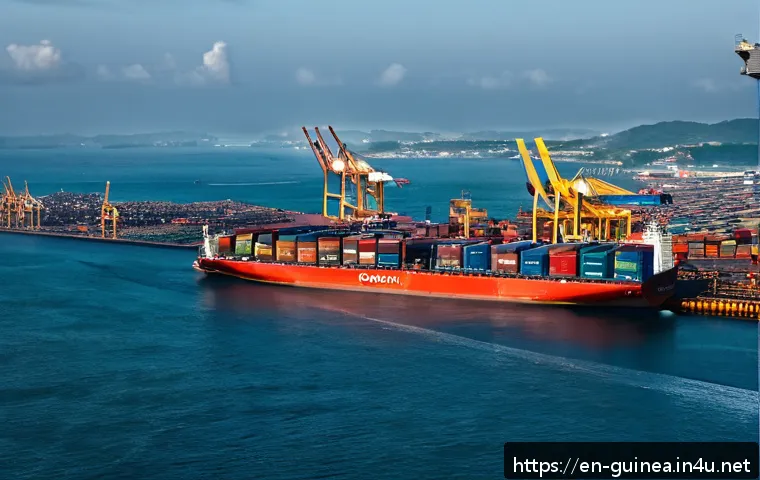
The Port of Conakry, Guinea’s primary maritime gateway, is undergoing modernization to accommodate larger vessels and increase cargo handling capacity.
This upgrade is critical for exporters and importers alike, as it directly impacts turnaround times and shipping costs. During a recent market analysis, I noted that improved port facilities have already led to increased interest from shipping lines looking to tap into West African markets.
For investors, this means better access to international markets and a smoother flow of goods. The port’s expansion also aligns with regional trade agreements, positioning Guinea as a strategic hub in the region.
Energy Sector Enhancements
Reliable energy supply has long been a bottleneck for Guinea’s industrial growth. However, recent investments in hydropower projects and renewable energy initiatives signal a turning point.
The construction of large-scale hydroelectric plants on the Konkouré River aims to boost electricity availability significantly. From what I’ve gathered firsthand, local industries are beginning to experience fewer power outages, which directly improves productivity.
Additionally, there’s growing interest from private investors in solar projects, particularly in rural areas, expanding access to off-grid communities.
These developments not only support mining and manufacturing sectors but also open doors for tech startups and service providers reliant on stable power.
Mining Sector: The Backbone of Guinea’s Economy
Bauxite and Aluminum Opportunities
Guinea holds one of the largest bauxite reserves globally, and this mineral remains the cornerstone of the nation’s export economy. Foreign investors have been drawn by the government’s efforts to streamline mining licenses and introduce more transparent regulatory frameworks.
I’ve noticed from industry reports and on-the-ground discussions that several multinational companies are ramping up exploration and production activities.
The potential for downstream processing, such as alumina refining and aluminum smelting, is particularly promising, offering avenues for value addition beyond raw material export.
For investors, tapping into this sector could mean long-term partnerships and steady returns as global demand for aluminum grows.
Untapped Gold and Diamonds
While bauxite dominates headlines, Guinea’s gold and diamond deposits are increasingly gaining attention. New geological surveys have identified several promising sites, and small to medium-scale mining operations are expanding rapidly.
From speaking with local miners, the sector still faces challenges such as access to modern equipment and financing, but these gaps present opportunities for strategic investment.
The government’s push for artisanal mining formalization is expected to improve production quality and environmental standards, further encouraging foreign participation.
Investors willing to navigate these complexities can find lucrative prospects in gold trading, refining, and export.
Mining Sector Challenges and Risk Mitigation
Investing in Guinea’s mining sector isn’t without risks, including fluctuating commodity prices, regulatory changes, and infrastructural constraints. However, I’ve learned that partnering with experienced local firms and engaging in thorough due diligence can mitigate many of these risks.
The introduction of investment protection agreements and dispute resolution mechanisms has also increased investor confidence. Understanding local community relations and environmental compliance is crucial, as social license to operate can impact project timelines.
Thus, a comprehensive risk management approach is essential for maximizing returns while supporting sustainable development.
Agriculture and Agribusiness: Rising Potential
Diversifying Crop Production
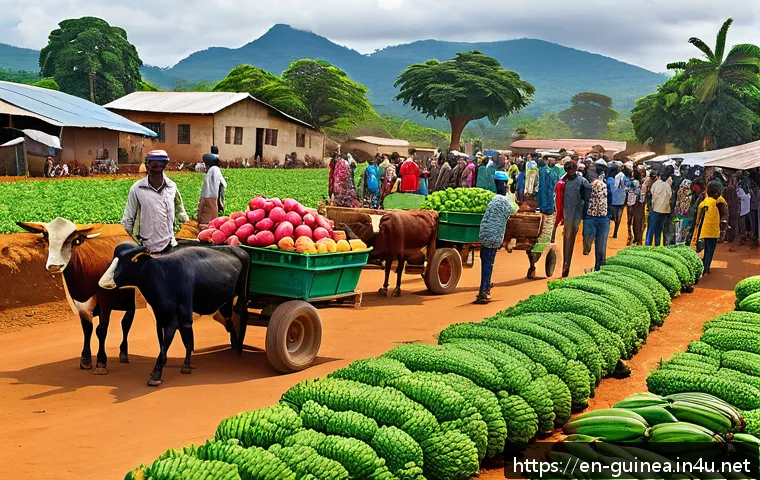
Despite its mineral wealth, Guinea’s agriculture sector remains vital, employing a large portion of the population. Recent government initiatives aim to diversify crop production beyond traditional staples like rice and cassava.
From field visits, I observed growing cultivation of high-value crops such as cashew nuts, pineapples, and mangoes geared toward export markets. Improved irrigation schemes and access to better seeds and fertilizers have started to increase yields.
Investors interested in agribusiness can tap into processing, packaging, and cold storage facilities, adding value and extending shelf life for international shipments.
Livestock and Fisheries Development
The livestock sector, including cattle, goats, and poultry, has seen steady growth driven by rising domestic demand and regional trade. Similarly, Guinea’s coastal and inland water bodies offer promising fisheries potential that remains underexploited.
I’ve met entrepreneurs developing fish farming projects and modern slaughterhouses, which contribute to local food security and employment. Investment in cold chain logistics and quality control systems is key to unlocking export opportunities.
Supporting these sub-sectors not only meets growing consumer needs but also diversifies Guinea’s economic base beyond mining.
Challenges in Agricultural Infrastructure
One of the biggest hurdles in agribusiness remains inadequate infrastructure, such as rural roads and market access. Seasonal flooding and limited storage facilities cause significant post-harvest losses, which I’ve witnessed during visits to farming communities.
Efforts to improve rural connectivity and introduce mobile technology platforms for market information are underway, but more investment is needed. For investors, public-private partnerships present a practical solution to bridge infrastructure gaps while generating returns.
Developing cold storage, agro-processing plants, and efficient transport networks can transform the sector’s productivity and profitability.
Financial Services and Digital Innovation
Expanding Banking Access
Guinea’s financial sector is evolving rapidly, with a focus on increasing banking penetration among its largely unbanked population. Mobile banking and microfinance institutions have played a key role in extending financial services to remote areas.
From conversations with fintech founders, the ecosystem is vibrant but still nascent, offering opportunities for venture capital and strategic partnerships.
The government’s regulatory framework encourages innovation while aiming to protect consumers, creating a balanced environment for growth. Investors can capitalize on digital payment solutions, lending platforms, and insurance products tailored to local needs.
Fintech Growth and Mobile Money
Mobile money services have become a game-changer in Guinea, providing secure and convenient transaction methods in a cash-driven economy. I’ve personally used some of these apps, which offer seamless peer-to-peer transfers and bill payments even in rural settings.
The increasing smartphone penetration and internet access further fuel fintech adoption. Startups focused on blockchain, digital identity, and credit scoring are emerging, supported by international accelerators.
Investing in these technologies not only promises high growth but also contributes to financial inclusion and economic empowerment.
Challenges in Financial Infrastructure
Despite progress, the financial services sector faces challenges such as limited credit availability, cybersecurity risks, and regulatory compliance hurdles.
Banks often hesitate to lend to small businesses due to perceived risks, which fintech can help alleviate through alternative credit scoring models. I’ve noticed that collaboration between traditional banks and fintech firms is growing, fostering innovation and trust.
Addressing these challenges requires continuous investment in infrastructure, talent development, and regulatory dialogue. For investors, understanding the evolving landscape is critical to identifying scalable and sustainable business models.
Tourism and Hospitality: Untapped Opportunities
Natural and Cultural Attractions
Guinea boasts diverse landscapes from pristine beaches to lush national parks, along with rich cultural heritage sites. These assets remain largely underdeveloped for tourism, presenting a unique opportunity for investors.
During a recent trip, I was struck by the potential for eco-tourism and adventure travel, especially in regions like the Fouta Djallon highlands. Local communities are eager to participate in tourism ventures, which can provide alternative livelihoods and preserve traditions.
Developing quality lodging, guided tours, and cultural festivals could position Guinea as a niche destination in West Africa.
Hospitality Sector Growth Potential
The hospitality industry in Guinea is gradually expanding, with new hotels and guesthouses opening in urban centers and tourist hotspots. However, standards still lag behind international expectations, creating room for upscale and boutique properties.
I’ve found that partnerships with experienced hotel operators can accelerate service quality improvements and brand recognition. Additionally, training programs for hospitality staff are critical to ensure memorable guest experiences.
Investors focusing on this sector can benefit from rising domestic business travel and regional tourism, especially as air connectivity improves.
Infrastructure and Marketing Challenges
Tourism growth is constrained by limited infrastructure such as airports, roads, and reliable utilities. Marketing Guinea internationally remains a challenge due to limited exposure and travel advisories.
However, recent government initiatives aim to improve visa policies and promote the country through regional tourism boards. Collaborations with international travel agencies and digital marketing campaigns can boost visibility.
From my experience, successful tourism projects often involve community engagement and sustainability practices, enhancing both the visitor experience and local support.
Summary of Key Investment Sectors in Guinea
| Sector | Opportunities | Challenges | Potential Returns |
|---|---|---|---|
| Infrastructure | Roads, ports, energy projects | Funding gaps, project delays | Long-term stable growth |
| Mining | Bauxite, gold, diamonds, downstream processing | Regulatory risks, environmental concerns | High returns, commodity-dependent |
| Agriculture | Crop diversification, livestock, fisheries | Infrastructure, market access | Moderate to high, with value addition |
| Financial Services | Mobile banking, fintech innovation | Credit availability, cybersecurity | High growth potential |
| Tourism | Eco-tourism, hospitality development | Infrastructure, marketing | Emerging, niche markets |
Legal and Regulatory Environment for Investors
Investment Incentives and Protections
Guinea has made strides in establishing an investor-friendly environment through incentives such as tax breaks, customs exemptions, and guarantees against expropriation.
From my discussions with legal experts, these measures enhance predictability and reduce entry barriers. The government’s commitment to reforming the investment code and aligning with international standards helps build trust.
For foreign investors, understanding the nuances of local laws and engaging skilled advisors is essential to fully leverage these benefits.
Licensing and Permit Procedures
Navigating Guinea’s bureaucratic landscape can be challenging, but recent digitalization efforts aim to simplify licensing and permits issuance. I’ve seen that projects with clear documentation and local partnerships tend to progress faster.
Timeframes can vary significantly depending on the sector and project scale, so proactive communication with authorities is critical. Investors who build strong relationships with government agencies often gain smoother approvals and better support.
Corporate Governance and Compliance
Maintaining compliance with local regulations, including environmental and social standards, is increasingly important. I’ve encountered companies that prioritize corporate social responsibility and transparent governance, which not only mitigate risks but also improve community relations.
International investors should adopt best practices and align with ESG (Environmental, Social, Governance) criteria to enhance reputation and sustainability.
This approach can also attract impact investors and development finance institutions looking for responsible projects.
Human Capital and Workforce Development
Labor Market Dynamics
Guinea’s youthful population offers a vibrant labor force, but skills gaps remain a challenge in certain industries. During site visits, I observed a mix of highly motivated workers and areas needing technical training, especially in mining and manufacturing.
Investing in workforce development programs can yield significant productivity gains and reduce turnover. Employers who provide continuous learning and career advancement opportunities tend to foster loyal and skilled teams.
Education and Vocational Training
The government and private sector are expanding vocational training centers to address skill shortages. I’ve had the chance to collaborate with training institutes focusing on mining technology, agribusiness, and hospitality management.
These initiatives improve employability and help align workforce skills with industry demands. Investors can contribute by supporting apprenticeship programs, scholarships, and on-the-job training, which ultimately benefits both businesses and communities.
Attracting and Retaining Talent
Retaining skilled professionals remains a challenge due to competition from regional markets and limited local amenities. From conversations with expatriates, quality of life factors such as healthcare, education, and housing influence relocation decisions.
Companies investing in employee well-being and community engagement tend to create more attractive workplaces. Offering competitive compensation packages and career development pathways also plays a crucial role in building a stable workforce.
Environmental Sustainability and Social Impact
Balancing Growth and Conservation
Guinea’s rich biodiversity and natural resources require careful management to ensure sustainable development. Investors increasingly recognize the importance of environmental impact assessments and mitigation strategies.
In my experience, projects that incorporate renewable energy, waste management, and water conservation measures enjoy better community acceptance and regulatory support.
Long-term viability depends on balancing economic objectives with ecological preservation.
Community Engagement and Development
Successful investments often hinge on strong relationships with local communities. I’ve seen firsthand how proactive engagement, including stakeholder consultations and benefit-sharing programs, can reduce conflicts and enhance project outcomes.
Supporting education, healthcare, and infrastructure development in host communities builds goodwill and social license to operate. Transparent communication and responsiveness to community needs are vital for lasting partnerships.
ESG Integration in Investment Decisions
Environmental, social, and governance (ESG) criteria are becoming standard in assessing investment risks and opportunities. Guinea’s evolving regulatory environment encourages ESG adoption, aligning with global investor expectations.
I recommend integrating ESG factors early in project planning to identify potential challenges and improve overall performance. Embracing sustainability not only fulfills ethical responsibilities but can also unlock access to green financing and impact investment funds.
In Conclusion
Guinea presents a diverse range of investment opportunities across infrastructure, mining, agriculture, financial services, and tourism. The ongoing developments signal promising growth, but navigating local challenges requires informed strategies and strong partnerships. With a focus on sustainability and community engagement, investors can contribute to Guinea’s long-term economic transformation while achieving meaningful returns.
Helpful Information to Know
1. Understanding local regulations and securing proper permits early can accelerate project timelines and reduce risks.
2. Infrastructure improvements, especially in transportation and energy, are key drivers of economic growth and investment viability.
3. The mining sector offers high returns but demands careful risk management and adherence to environmental standards.
4. Digital financial services are rapidly expanding, presenting opportunities for innovation and financial inclusion.
5. Community involvement and ESG practices are increasingly important for sustainable and successful investments.
Key Takeaways
Investing in Guinea requires a balanced approach that combines sector-specific opportunities with a deep understanding of local market dynamics and regulatory frameworks. Prioritizing partnerships with experienced local entities and emphasizing environmental and social responsibility can mitigate risks and enhance project outcomes. Continuous engagement with government and communities is essential to secure lasting success and unlock Guinea’s full economic potential.
Frequently Asked Questions (FAQ) 📖
Q: uestionsQ1: What are the most promising sectors for investment in Guinea right now?
A: Guinea’s mining industry, particularly bauxite and gold, remains the top draw for investors due to the country’s vast natural reserves. Beyond mining, infrastructure development—such as roads, ports, and energy projects—is rapidly advancing, offering excellent opportunities for construction and engineering firms.
Agriculture is also gaining traction, especially in export-oriented crops like cashews and coffee. From my experience analyzing market trends, these sectors present a balanced mix of high potential returns and growing government support.
Q: How stable is Guinea’s political and economic environment for foreign investors?
A: While Guinea has experienced political fluctuations in the past, recent years have shown a commitment toward economic reforms and improving the investment climate.
The government has been actively working to simplify regulations and protect foreign investments, which boosts investor confidence. However, like many emerging markets, risks remain, so it’s wise to stay updated on local developments and consider partnerships with trusted local entities.
Personally, I found that engaging with local experts and legal advisors greatly eased navigating the environment.
Q: What challenges should investors be aware of when entering the Guinean market?
A: Infrastructure gaps, bureaucratic delays, and occasional regulatory unpredictability can pose challenges. Additionally, understanding local customs and building relationships with community stakeholders are crucial for smooth operations.
Currency fluctuations and limited access to financing might also impact short-term returns. From my perspective, thorough due diligence and a long-term commitment mindset are essential to overcome these hurdles and tap into Guinea’s untapped potential effectively.