Hey there, fellow explorers and design enthusiasts! You know, there’s something truly magical about discovering how people across the globe have built their homes, perfectly in tune with nature and their culture.
I’ve recently been absolutely fascinated by the traditional architecture of Guinea in West Africa, and let me tell you, it’s a masterclass in ingenuity.
Imagine structures crafted from the very earth beneath their feet, using wood and thatch to create dwellings that aren’t just shelter, but living stories, beautifully reflecting centuries of wisdom, community spirit, and an incredible respect for the environment.
From the Fulani’s iconic circular huts to ingenious elevated coastal homes, these designs offer timeless lessons in sustainable living and vibrant artistic expression.
Let’s dive deeper and uncover the remarkable details together!
Ingenious Designs Rooted in Local Materials
Earth and Wood: The Foundation of Guinean Dwellings
You know, when I first started digging into the architecture of Guinea, what truly struck me was the sheer brilliance of using materials found right beneath their feet.
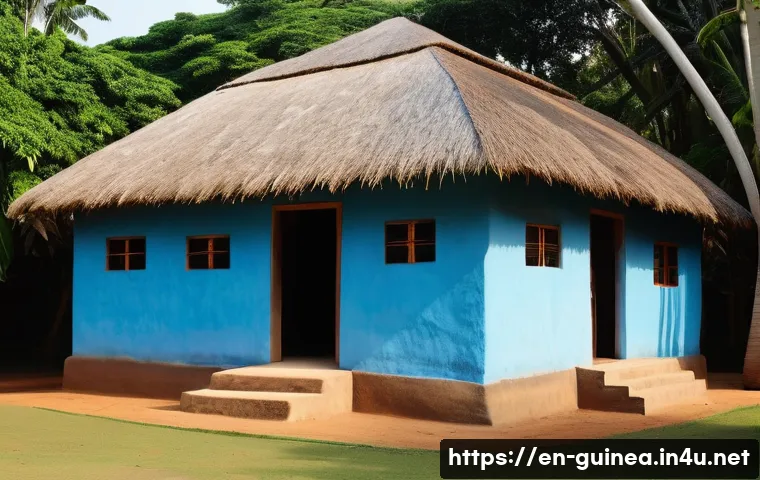
It’s a masterclass in resourcefulness and truly sustainable living. We’re talking about homes crafted primarily from earth – a mix of clay, sand, and straw – often shaped into sun-dried bricks or applied directly as wattle and daub.
This isn’t just a basic building technique; it’s an art form honed over centuries, creating structures that breathe and adapt to their environment. I’ve seen images where the walls almost look sculpted, with organic curves that feel so much a part of the landscape rather than something imposed upon it.
The choice of earth isn’t just practical for its availability; it offers incredible thermal mass, keeping the interiors cool during the scorching days and surprisingly warm when temperatures drop at night.
It’s a natural insulation system that modern architects are still trying to replicate efficiently, and these communities figured it out thousands of years ago.
The way they meticulously prepare the earth, often using specific types of clay found locally, speaks volumes about their deep understanding of their surroundings.
It’s not just mixing dirt; it’s a scientific process passed down through generations.
The Humble Thatch: A Masterpiece of Insulation
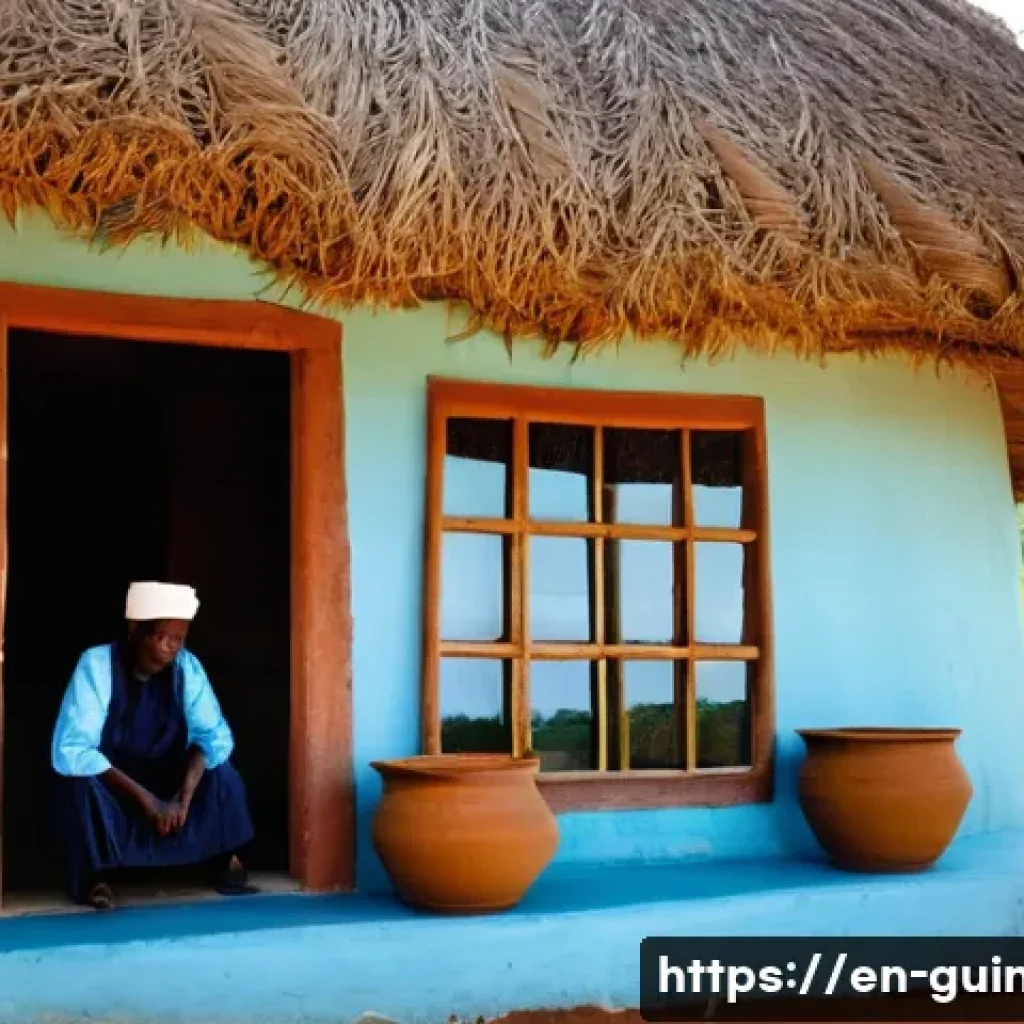
And then there’s the roofing! While some areas might incorporate flat roofs, the iconic conical thatched roofs are simply breathtaking. Imagine bundles of grasses, reeds, or palm fronds intricately woven and layered, sometimes to an incredible thickness.
This isn’t just about keeping the rain out; it’s another layer of genius climate control. The thick thatch creates an air pocket that acts as a fantastic insulator, deflecting the harsh sun and allowing for natural ventilation.
I can almost feel the cool air circulation just thinking about it. What’s even more fascinating is the craftsmanship involved. Each layer is carefully placed to ensure water runoff and durability, often lasting for years before needing repair.
It’s a testament to communal effort, too, as often many hands come together to construct these elaborate roofs. I remember reading about how the specific type of grass used can vary by region, each chosen for its unique properties – its flexibility, its resistance to pests, or its durability.
It truly makes you appreciate that every single element of these homes is thoughtfully chosen, not just for function, but for its perfect synergy with the local ecosystem.
It’s a holistic approach to design that’s incredibly inspiring.
More Than Just Walls: Homes as Cultural Narratives
Family Circles: The Layout of Community
It’s easy to just see these structures as simple huts or houses, but when you look closer, you realize they are profound expressions of community and family.
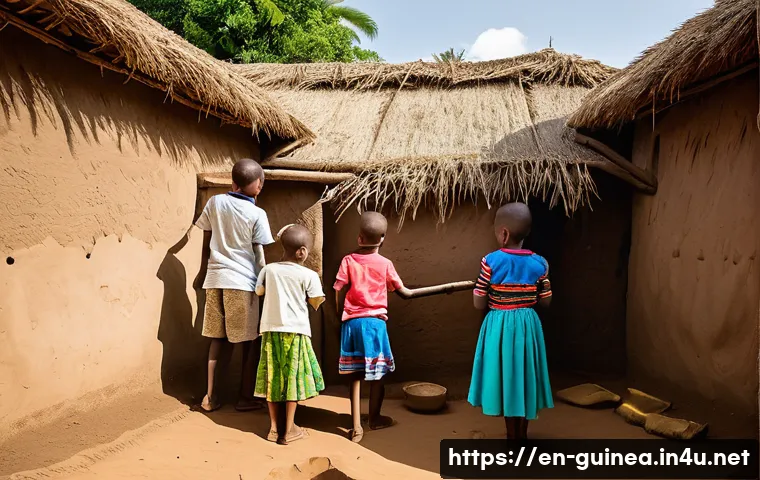
Many traditional Guinean homes, especially in rural areas, are not standalone units but rather a cluster of structures forming a family compound, often arranged in a circular or semi-circular pattern around a central courtyard.
This layout isn’t random; it’s a deliberate design that reinforces family bonds and social hierarchy. Each building within the compound might serve a specific purpose – sleeping quarters for different family members, a cooking hut, a storage facility – all connected by the shared outdoor space.
This central courtyard becomes the heart of daily life: where meals are shared, children play, stories are told, and community decisions are made. I find this so beautiful because it fundamentally changes the way you think about a “home.” It’s not just a shelter for an individual or nuclear family, but an entire ecosystem for an extended family unit, fostering constant interaction and mutual support.
It truly reflects a collectivist culture where the strength of the whole relies on the interconnectedness of its parts. It makes me wonder about the unintended isolation of many modern architectural designs.
Symbolic Touches: Every Detail Tells a Story
Beyond the functional layout, many traditional Guinean homes are imbued with rich symbolic meaning, often expressed through decorative elements. Whether it’s specific patterns carved into wooden doors, intricate designs etched into mud walls, or even the careful placement of certain artifacts, these details are far from arbitrary.
They can convey a family’s lineage, their spiritual beliefs, their social status, or even offer protection. I’ve been captivated by examples where the entrance to a compound might be subtly angled or feature specific symbols meant to ward off evil spirits or welcome good fortune.
The colors used, often natural earth pigments, can also carry specific cultural significance. It’s like the house itself is a living document, constantly communicating a narrative to those who understand its language.
This level of intentionality in design, where every line and curve has a purpose beyond just aesthetics, is something I truly admire. It tells me that these homes aren’t just built; they are thoughtfully composed, embodying the very soul of the people who inhabit them.
It makes you realize how much unspoken communication can be embedded in our surroundings if we only take the time to notice.
Climate-Smart Solutions from Ancient Wisdom
Elevated Living: Beating the Humidity and Pests
One of the most brilliant aspects of Guinean traditional architecture is its inherent intelligence in dealing with the local climate, particularly along the coastal regions.
You’ll often find homes, especially granaries or storage structures, built on stilts or elevated platforms. At first glance, you might think it’s purely for aesthetics, but I quickly realized it’s a profound engineering solution.
This elevation isn’t just about avoiding seasonal flooding; it’s a crucial strategy for natural ventilation and pest control. By lifting the structure off the ground, air can circulate freely underneath, significantly reducing humidity build-up within the dwelling.
This helps keep the interior cooler and prevents the dampness that can lead to mold and decay, especially for stored grains. What’s more, it creates a natural barrier against crawling insects and small animals, protecting valuable food stores and living spaces from unwelcome visitors.
I mean, we’re still grappling with sophisticated pest control methods today, and they cracked the code centuries ago with simple, yet incredibly effective, passive design.
It’s a testament to how closely these communities observed and adapted to their natural environment.
Natural Ventilation: Keeping Cool the Traditional Way
Beyond elevation, the very construction of these homes is geared towards natural air conditioning. Thick earthen walls, as I mentioned, offer thermal mass, but the placement of openings, the design of roofs, and the overall orientation of the structures work in concert to maximize airflow.
For instance, the conical shape of many thatched roofs isn’t just beautiful; it facilitates the stack effect, where hot air rises and escapes through openings at the apex, drawing cooler air in from below.
Many dwellings also incorporate small, strategically placed windows or vents that allow for cross-ventilation, creating a constant, gentle breeze through the interior.
I’ve often thought about how much energy we expend in modern homes to achieve what these traditional designs accomplish effortlessly. There’s a beautiful simplicity in their approach: understanding wind patterns, sun paths, and material properties to create comfortable living spaces without any need for mechanical cooling.
It truly makes you appreciate that sustainable living isn’t a new concept; it’s deeply embedded in ancient wisdom, offering timeless lessons for our contemporary challenges.
The Art of Communal Building: A Shared Legacy
Together We Build: The Power of Community Labor
What really sets traditional Guinean architecture apart, in my experience, isn’t just the final structure but the *process* of its creation. Building a home often isn’t an individual endeavor; it’s a vibrant community event.
Imagine a whole village coming together, neighbors, friends, and family all lending a hand. This communal labor, often referred to by local terms that translate to “working together,” is a cornerstone of their social fabric.
People share tasks, from gathering materials like earth, wood, and thatch, to mixing mud, shaping bricks, and raising walls. This isn’t just about efficiency; it’s about reinforcing social bonds and mutual support.
I’ve heard stories of how these building days are often accompanied by singing, drumming, and shared meals, turning hard work into a joyous celebration of community.
It creates a profound sense of ownership and belonging, not just for the family whose home is being built, but for everyone who contributed. There’s a beautiful synergy in their approach that I think we’ve lost a bit of in our individualistic building practices, where we often hire professionals and lose that personal connection to our dwellings’ creation.
Passing Down Skills: Generations of Knowledge
This communal building process also serves as an informal yet incredibly effective education system. Younger generations learn directly from their elders, observing and participating in every step of construction.
The specialized knowledge – how to select the best earth, how to mix it for optimal strength, the intricate weaving techniques for thatch, or the precise joinery for wooden frames – isn’t written in textbooks; it’s embodied in the hands and minds of the community.
This ensures that traditional building techniques and architectural styles are preserved and passed down through generations, maintaining a vital connection to their cultural heritage.
I realized that this hands-on learning fosters a deep respect for the craft and an intimate understanding of the materials. It’s not just about learning a skill; it’s about inheriting a legacy.
This intergenerational transfer of knowledge is incredibly powerful, creating a continuous thread of expertise that connects the past, present, and future of their architectural traditions.
It’s truly an amazing system that fosters both practical skills and a strong sense of cultural identity.
Enduring Wisdom: Lessons for Modern Living
Sustainable Materials: A Blueprint for Eco-Friendly Homes
As someone constantly thinking about sustainable living, the resourcefulness inherent in Guinean traditional architecture offers a treasure trove of lessons.
Their reliance on locally sourced, renewable materials like earth, wood, and thatch provides a powerful blueprint for eco-friendly construction today.
These materials have minimal embodied energy, meaning they require very little energy to extract, process, and transport compared to conventional modern building materials like concrete or steel.
When a building eventually reaches the end of its life, these natural materials can often return to the earth without causing environmental harm. It’s a closed-loop system that inherently minimizes waste and carbon footprint.
I can’t help but feel a pang of wonder when I see how seamlessly these structures blend back into the environment. Every time I look at their methods, I can’t help but wonder why we aren’t learning more from these truly brilliant ancestors who built homes that worked *with* the earth, not against it.
It’s not about going back to ancient times, but intelligently applying these principles to our contemporary designs to create truly green buildings.
Community-Centric Design: Beyond Individual Spaces
Beyond the materials, the community-centric design principles found in Guinean architecture offer valuable insights into creating more connected and resilient societies.
The way homes are grouped into compounds, fostering shared spaces and encouraging interaction, reminds us that architecture can profoundly influence social dynamics.
It’s a stark contrast to the often isolated, single-family homes prevalent in many Western societies. This emphasis on communal living spaces promotes cooperation, mutual support, and a strong sense of collective identity.
I’ve often thought about how much happier and more connected we might be if our living environments were designed to facilitate more spontaneous interaction and shared experiences.
It’s not just about providing shelter; it’s about nurturing a social ecosystem. The Guinean approach suggests that a truly well-designed home extends beyond its walls, encompassing the relationships and community it fosters.
This shift from purely individualistic design to a more communal perspective could unlock new possibilities for urban planning and housing solutions that prioritize human connection and well-being.
Vibrant Aesthetics: Blending Form and Function
Decorative Motifs: Beauty in Every Structure
One of the aspects I absolutely adore about traditional Guinean homes is how they seamlessly weave artistry into functionality. These aren’t just utilitarian structures; they’re often adorned with beautiful decorative motifs that elevate them to works of art.
From intricate geometric patterns carved into wooden doors and lintels to symbolic designs etched or painted onto mud walls, every detail seems to tell a story.
These aren’t just arbitrary flourishes; they often carry deep cultural, spiritual, or historical significance. I’ve seen examples where certain patterns signify protection, prosperity, or a family’s lineage, essentially turning the home into a visual narrative.
This blend of form and function means that beauty isn’t an afterthought or a superficial addition; it’s an intrinsic part of the building’s identity and purpose.
It makes you realize that aesthetics can be deeply meaningful and integrated into the very fabric of daily life, rather than something separate or elite.
It’s not just about shelter; it’s about making a statement, a visual poem etched into the very fabric of their lives, reflecting the soul of the community.
Colors of the Earth: Pigments from Nature
And let’s talk about the colors! The palette used in traditional Guinean architecture is often derived directly from the earth itself, utilizing natural pigments to create stunning yet harmonious visuals.
Rich reds, warm browns, deep ochres, and muted yellows are common, all sourced from local clays and mineral deposits. These colors don’t just add visual appeal; they connect the structure even more deeply to its environment, making it feel like it grew directly out of the landscape.
I find this approach so inspiring because it shows how sophisticated and vibrant designs can emerge from purely natural resources. There’s an authentic beauty to these earth tones that artificial paints can rarely replicate.
They have a certain depth and texture that changes with the light throughout the day, bringing the buildings to life in a dynamic way. This conscious choice of natural colors further emphasizes the sustainable and harmonious relationship between the people, their homes, and the land they inhabit.
It’s a testament to the power of nature to provide both structural integrity and breathtaking aesthetic appeal, showing us that true beauty often lies in simplicity and authenticity.
| Architectural Feature | Key Materials | Primary Benefit | Cultural Significance (General) |
|---|---|---|---|
| Earthen Walls (e.g., mud brick) | Clay, sand, straw, water | Thermal insulation, local availability, low cost | Community building, connection to land, ancient techniques |
| Conical Thatched Roofs | Grass, reeds, palm fronds, wood frame | Excellent insulation, natural ventilation, weather protection | Symbol of traditional dwelling, communal effort in construction |
| Elevated Structures (on stilts) | Wood, stone, earth platforms | Pest control, humidity reduction, flood protection | Adaptation to environment, preservation of goods |
| Circular Compound Layouts | Earthen walls, fences, various structures | Fosters family cohesion, shared living spaces | Reflects social structure, importance of extended family |
Protecting Heritage: The Future of Guinean Homes
Modern Challenges: Preserving Authenticity
It’s a bittersweet reality that even the most enduring traditions face modern challenges, and traditional Guinean architecture is no exception. With urbanization, the allure of modern building materials like concrete blocks and corrugated metal sheets can sometimes overshadow the wisdom of ancient techniques.
These newer materials might be perceived as more “modern” or durable, but they often come at the cost of environmental sustainability and cultural authenticity.
I’ve witnessed in many places how the rapid pace of change can lead to the slow erosion of traditional craftsmanship, as younger generations might not learn the intricate skills required for earthen construction or elaborate thatch weaving.
There’s also the pressure of economic development, which sometimes prioritizes speed and cost over the preservation of unique architectural heritage. It’s a complex balancing act, where communities strive for progress while trying desperately to hold onto the very essence of their identity embedded in their homes.
My hope is that these incredible traditions don’t fade away; they hold too much wisdom for us to lose.
Cultural Revitalization: Bringing Ancient Styles to Life
Despite these challenges, there’s a growing movement to revitalize and celebrate traditional Guinean architecture. I’ve seen fascinating initiatives where local organizations and international partners are working together to document these building techniques, train new generations in the ancestral crafts, and even adapt traditional designs for contemporary use.
This isn’t about freezing time or forcing people to live in the past, but about recognizing the incredible value – both practical and cultural – of these building forms.
It’s about integrating the best of ancient wisdom with modern needs, perhaps by using traditional materials in new ways or by incorporating elements of passive design inspired by old homes into new constructions.
There’s a profound sense of pride in seeing communities take ownership of their heritage, understanding that their unique architectural styles are not just old buildings, but living symbols of their identity and ingenuity.
These efforts are crucial because they not only preserve physical structures but also the invaluable knowledge, skills, and stories that go into creating them, ensuring that the spirit of Guinean homes continues to inspire for generations to come.
Wrapping Things Up
This journey into the heart of Guinean traditional architecture has been nothing short of eye-opening for me, and I sincerely hope it has been for you too. It truly underscores a fundamental truth: that some of the most ingenious, sustainable, and beautiful designs are often those rooted deeply in local wisdom and a profound respect for the environment. What I’ve come to appreciate most isn’t just the physical structures themselves, but the stories they tell – of resilience, community, and an incredible ability to thrive in harmony with nature. It makes you pause and really think about what “home” truly means. For me, it’s not just walls and a roof; it’s a living testament to heritage, a sanctuary woven from the very fabric of the land and the spirit of its people. I always feel a renewed sense of inspiration after diving into topics like this, reminding me that the best solutions often lie in looking back, not just forward.
Practical Tips for Your Next Build
1. Embrace Local Materials: Seriously consider what resources are abundant and sustainable in your own area. It drastically reduces your carbon footprint and connects your build to the local ecosystem, much like the Guineans use earth and thatch. It’s a game-changer for authenticity and cost-effectiveness.2. Design with Climate in Mind: Before you even draw a line, think about your local climate. How can you use passive design elements – like orientation, window placement, and natural ventilation – to keep your home cool in summer and warm in winter without relying heavily on AC or heating? It’s a huge win for energy efficiency.3. Foster Community Connection: Could your living space encourage more interaction with neighbors or extended family? Think about shared outdoor areas, communal gardens, or even design elements that naturally draw people together. A home is so much more than an individual dwelling; it’s a hub for human connection.4. Prioritize Durability and Longevity: Invest in quality craftsmanship and materials that are known to last. The traditional homes we discussed stand for generations because they’re built with purpose and an understanding of material properties. It’s not just about initial cost; it’s about long-term value and sustainability.5. Infuse Cultural Meaning: What stories can your home tell? Whether through art, specific materials, or even the layout, consider how you can imbue your living space with personal or cultural significance. It transforms a house into a truly personal sanctuary that reflects who you are and what you value, making it feel truly lived-in and loved.
Key Takeaways for Sustainable Design
Having explored the remarkable world of Guinean traditional architecture, a few undeniable truths emerge that I feel are vital for anyone interested in truly sustainable and meaningful design. First, the incredible power of local, natural materials cannot be overstated – they offer unmatched thermal performance, environmental compatibility, and a deep connection to place. Second, smart, passive design that works with, rather than against, the natural environment is not just an ancient concept but a timeless blueprint for energy efficiency and comfort. Think about those naturally ventilated, elevated structures! Finally, and perhaps most importantly, these homes remind us that architecture is fundamentally about people, culture, and community. It’s about creating spaces that foster connection, preserve heritage, and sustain not just individuals, but entire ways of life. These aren’t just old buildings; they are living lessons in how to build wisely, beautifully, and sustainably for the future.
Frequently Asked Questions (FAQ) 📖
Q: What makes the traditional architecture of Guinea so unique and how does it reflect the country’s diverse regions?
A: Oh, this is such a brilliant question because it truly gets to the heart of Guinean ingenuity! What I’ve found absolutely captivating is how the architecture isn’t just one style, but a vibrant tapestry of designs, each perfectly tailored to the specific environment and cultural needs of its people across Guinea’s incredibly diverse landscapes.
For instance, if you head to the Fouta Djallon highlands, you’ll see the Fulani people’s iconic circular huts. They typically feature steeply pitched thatched roofs that are just genius for shedding heavy rains, and their round shape helps them stand strong against fierce winds.
It’s like nature’s own aerodynamic design! Then, as you journey into Upper Guinea’s savannah zones, the Malinké communities build rectangular homes, often with flatter or gently sloped roofs, and their compounds usually enclose multiple buildings, reflecting a different communal setup.
And let’s not forget the coastal areas, where the Soussou and Baga people have perfected elevated structures, often on stilts. From my perspective, these aren’t just practical for protecting against floods and insects, but they also capture those cooling sea breezes, which is a lifesaver in the humid climate.
It’s a testament to how deeply connected these communities are to their surroundings.
Q: I’m always curious about sustainable building! What kinds of natural materials are traditionally used in Guinean homes, and what makes them so eco-friendly?
A: You and me both! I’m a huge advocate for sustainable living, and the traditional Guinean builders are truly masters of it. When I delved into this, I was genuinely impressed by their resourcefulness.
They primarily use materials that are literally found right beneath their feet or growing nearby. Think adobe—sun-dried mud bricks made from a mix of clay, sand, and organic materials like straw.
Then there’s thatch, usually grass or palm leaves, expertly woven for roofs, which provides fantastic natural insulation, keeping homes cool during the scorching day and warm at night.
In some regions, you’ll find “banco,” an earth plaster blended with clay, sand, and even cow dung, applied to walls for durability and a beautiful finish.
And in forested areas, “wattle and daub,” using interwoven wooden strips covered with mud or clay, allows for wonderful breathability. What makes these materials so incredibly eco-friendly isn’t just that they’re locally sourced and renewable, but they’re also biodegradable, leaving virtually no environmental footprint.
It’s a closed-loop system that respects Mother Earth, something we could all learn a thing or two from today!
Q: Beyond just shelter, what deeper cultural meanings do these traditional Guinean homes hold for the communities who build and live in them?
A: This is where it gets really profound for me, and it’s what makes these structures so much more than just buildings. From what I’ve seen and learned, traditional Guinean homes are truly living testaments to cultural identity and a deep sense of community.
They embody centuries of inherited wisdom, reflecting the unique histories, beliefs, and lifestyles of each ethnic group. Think about it: the very act of building, often using methods passed down orally through generations, reinforces communal bonds and a shared heritage.
These aren’t just walls and roofs; they are spaces where stories are told, traditions are upheld, and families grow together. I felt a real sense of that when I learned about how the layout of a compound might reflect social structures or how certain decorative elements, like carved wooden posts in forested areas or unique patterns, express artistic vision and symbolic meanings.
They connect people not just to their immediate family, but to their ancestors, their community, and the very land itself. It’s an emotional connection, a silent conversation between past and present, making each home a vibrant chapter in Guinea’s incredible cultural narrative.