Hey fellow adventurers! Ever dreamed of exploring the vibrant markets and stunning landscapes of Guinea? It’s an incredible destination, but let’s be real – navigating a new country’s currency can sometimes feel like solving a puzzle, right?
Especially in a place where cash is often king and exchange rates can be a bit of a dance. From my own experiences traversing vibrant economies, getting a handle on the Guinean Franc (GNF) and knowing the best ways to manage your money is an absolute game-changer for a smooth trip.
We’re talking about avoiding tricky situations, getting the most bang for your buck, and truly enjoying every moment without unnecessary financial worries.
The landscape for money in Guinea is unique, with some recent shifts in stability and new ways to handle your cash and cards. Want to unlock the secrets to hassle-free currency exchange and smart spending in Guinea?
Let’s dive in and get you fully prepped with all the accurate, up-to-date details you need to know!
Hey there, fellow adventurers! It’s awesome to connect with you all. I’ve heard some buzz lately about navigating finances in Guinea, and trust me, it’s a topic close to my heart.
From my own globe-trotting escapades, I’ve learned that getting a grip on local currency is like having a secret superpower – it makes everything smoother, more authentic, and honestly, a lot less stressful.
Guinea, with its incredible markets and stunning natural beauty, is no exception. Handling the Guinean Franc (GNF) might seem a bit daunting at first, but with a few insider tips, you’ll be bartering like a pro and enjoying every moment without a financial hitch.
So, let’s peel back the layers and discover the smartest ways to manage your money in this captivating West African nation!
Mastering the Guinean Franc: My Go-To Strategies for Local Transactions
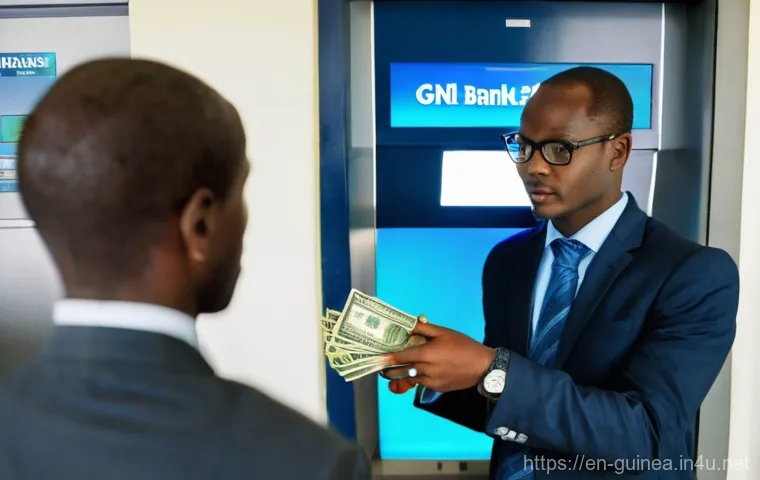
When you first step off the plane in Conakry, the sheer number on the Guinean Franc (GNF) banknotes can be a bit of a shocker. We’re talking about denominations like FG500, 1,000, 2,000, 5,000, 10,000, and even 20,000 francs.
It really hit me on my first day how quickly those numbers add up, and how crucial it is to have a mix of smaller and larger bills. Trying to pay for a small street snack with a 20,000 GNF note?
Good luck getting change! I learned pretty quickly that smaller denominations are your best friends for daily purchases, especially when you’re haggling in the bustling local markets.
It just makes the whole transaction so much smoother and less awkward. Keep those bigger notes for larger expenses, or when you’re absolutely sure the vendor will have ample change.
Understanding this simple dynamic can save you a lot of hassle and ensure you always get the best deal.
The Real Deal with Exchange Rates: Don’t Get Caught Out!
Oh, exchange rates! They can feel like a constantly moving target, and in Guinea, it’s no different. While the official rate might show 1 GNF is around 0.0001 USD, that’s just a baseline.
The actual rate you get at exchange bureaus or banks can vary. I always make it a point to check the current rates on a reliable app or website right before I travel and even periodically during my trip.
This helps me gauge if I’m getting a fair deal. It’s super tempting to go for unofficial money changers you might find on the street – they often promise better rates – but trust me, it’s a huge no-go.
Not only is exchanging foreign currency on the street illegal, but foreign nationals have actually been arrested and detained for it, even for small amounts.
It’s just not worth the risk, no matter how good the rate sounds. Stick to reputable banks and exchange offices; the peace of mind is priceless.
Denominations and Daily Needs: Small Bills are King!
Carrying a mix of denominations is not just a suggestion; it’s a survival tactic in Guinea. When I first visited, I had a bunch of larger notes and found myself constantly struggling to get change for small purchases.
Imagine trying to buy a bottle of water from a street vendor with a 10,000 GNF note – it’s like asking for a miracle! Always make sure you have plenty of 500, 1,000, and 2,000 GNF notes on hand.
These are essential for everything from taxi fares to market buys and tipping. It’s like a silent handshake with the local economy, showing you understand how things work.
My strategy became to break larger notes whenever I made a bigger purchase at a more established store or a proper restaurant, then guard my stash of smaller bills like gold!
It seriously made daily life so much easier and more enjoyable.
Plastic or Paper? Navigating Payments in Guinea Like a Local
When it comes to paying for things in Guinea, cash really is king, especially once you venture outside the capital city, Conakry. This was one of my biggest takeaways from my travels there.
While some larger hotels, upscale restaurants, and bigger supermarkets in Conakry might accept credit or debit cards, the vast majority of transactions, particularly in local markets, smaller shops, and street stalls, are cash-only affairs.
I remember trying to pay for some beautiful fabrics at a smaller market with my card, only to be met with a friendly but firm shake of the head. It quickly reinforced the idea that relying solely on plastic would leave me high and dry.
So, embracing cash as your primary payment method isn’t just a good idea, it’s practically a necessity for a smooth journey.
The Reality of Credit and Debit Cards: Limited Acceptance
While you might have a trusty travel credit card that works wonders in other countries, its utility in Guinea is somewhat limited. Credit cards are not widely accepted, and I’ve found that even where they *are* accepted, like at some hotels, you need to exercise caution due to the prevalence of credit card fraud.
My personal rule of thumb is to only use my card at highly reputable establishments, usually major international hotel chains or large, well-known supermarkets in Conakry.
Even then, I always keep a close eye on the transaction. For anything else, especially outside the capital, you really need to have cash. Don’t fall into the trap of thinking your card will save you everywhere – it’s more of a backup than a primary tool here.
Mobile Money: A Rising Star in Local Transactions
Now, here’s where things get interesting and a bit more modern: mobile money. While cash dominates, mobile money services are rapidly gaining traction, particularly with local Guineans, and it’s something travelers should definitely be aware of.
Companies like MTN Mobile Money (MoMo) and Orange Money are big players, allowing users to send and receive money, pay bills, and even shop with partner merchants directly from their phones.
I’ve seen countless locals using their phones for transactions, and while it’s primarily a local service, understanding its prevalence gives you insight into the economy.
If you’re staying for an extended period or have local contacts, it might even be a convenient way to manage certain payments. It’s a fantastic example of how technology is bridging gaps in traditional banking infrastructure, and it’s truly fascinating to see in action.
The ATM Quest: Finding Your Cash Lifeline Across the Country
Finding an ATM in Guinea can sometimes feel like a treasure hunt, especially once you leave the capital. In Conakry, you’ll find ATMs from banks like Ecobank, Société Générale, and BICIGUI, and these are usually your best bet for withdrawing Guinean Francs.
However, the reliability can be a bit of a mixed bag. I’ve had moments where an ATM was out of cash, offline, or simply didn’t accept my foreign card.
It’s frustrating, to say the least, but it’s part of the adventure. My advice? Don’t wait until you’re completely out of cash to look for an ATM.
Plan your withdrawals in advance, especially before heading to more rural areas where ATMs are scarce to non-existent. It’s much better to have a buffer than to be scrambling.
Security and Fees: What to Watch Out For
When you do find a working ATM, a few critical things to keep in mind are security and fees. I always try to use ATMs located inside a bank during business hours for added security.
Street-side ATMs can be more vulnerable, and personal safety is paramount. Be aware that most ATMs in Guinea-Conakry charge a transaction fee, and your home bank will likely charge an international withdrawal fee on top of that.
These fees can add up quickly, especially given the typically low per-transaction withdrawal limits, which often range from 400,000 to 800,000 GNF (roughly $45-$90 USD).
This means you might need to make multiple withdrawals to get a significant amount of cash, racking up those fees. Before you travel, definitely check with your bank about their international withdrawal fees and daily limits.
Some travel cards, like a Wise Multi-Currency Card, can offer better exchange rates and lower fees, which I’ve found to be a huge money-saver over time.
Pre-Trip Prep: Notifying Your Bank and Card Options
This is a lesson I learned the hard way years ago: always, *always* notify your bank of your travel plans. Nothing ruins a trip faster than having your card blocked because your bank thinks there’s suspicious activity abroad!
A quick call or online notification to your bank can prevent this headache. Also, consider bringing more than one card, ideally from different banks, and keep them separate.
If one card gets lost, stolen, or blocked, you’ll have a backup. Visa is generally the most accepted card at ATMs, but some also take Mastercard/Cirrus.
Having a mix provides an extra layer of security and ensures you’re not left without access to funds. Remember, preparedness is your best friend when traveling.
Smart Spending in Sékoutouréya: Budgeting for an Epic Adventure
Budgeting for a trip to Guinea can feel a bit like throwing darts in the dark if you’re not familiar with the local costs. From my own experiences, I can tell you that while some things might seem incredibly cheap compared to Western prices, others can surprise you.
It’s not always a straightforward calculation. Generally, Guinea can be quite affordable, especially if you embrace local living. An average budget traveler might spend around $35-45 USD per day, while a mid-range traveler could look at $50-100 USD daily.
This covers accommodation, food, and local transport. I always try to set a daily spending limit and keep a small notebook or a budgeting app to track my expenses.
It’s a small habit that makes a huge difference in keeping my finances in check and avoiding any unpleasant surprises later on.
Typical Costs: Food, Transport, and Accommodation
Let’s talk numbers, because that’s what really helps you plan.
| Expense Category | Estimated Daily Cost (USD) | My Insider Tip |
|---|---|---|
| Budget Accommodation (Hostel/Guesthouse) | $15 – $30 | Look for guesthouses in local areas for better value and cultural immersion. |
| Mid-Range Accommodation (Hotel) | $50 – $100 | Book in advance, especially in Conakry, to secure good locations and amenities. |
| Local Street Food/Market Meals | $5 – $10 | Embrace street food! It’s delicious, cheap, and a true local experience. |
| Mid-Range Restaurant Meal | $15 – $30 (for two) | Treat yourself to a nice meal occasionally, but balance with local eateries. |
| Local Transport (Taxis/Minibuses) | $2 – $10 | Always agree on the fare *before* you start the ride to avoid surprises. |
| Bottled Water (1.5L) | $1 – $2 | Stay hydrated! Buy water in bulk from supermarkets to save money. |
These are just estimates, of course, and prices can fluctuate. For instance, utilities like electricity and internet can be surprisingly high, sometimes $100-150 USD per month for an expat apartment.
So, if you’re renting long-term, factor that in. Taxis are generally affordable, costing around $2.50 for a ride within the city, and public buses even less at around $0.50.
Eating local food at markets is incredibly budget-friendly, often around $5 for a meal. I find these kinds of granular details make all the difference in crafting a realistic budget.
Saving Strategies: From Haggling to Local Eateries
One of my favorite parts of traveling in places like Guinea is the art of haggling! In markets, prices are almost never fixed, and a friendly negotiation is expected.
Don’t be afraid to try, but always do it with a smile and good humor. I’ve found that a respectful back-and-forth often leads to a fair price for both parties.
Another huge money-saver is sticking to local eateries and street food. Not only is it significantly cheaper than tourist-oriented restaurants, but it’s also where you’ll find the most authentic and delicious Guinean flavors.
Plus, it’s a fantastic way to interact with locals. I also try to buy snacks and drinks from local kiosks rather than hotel minibars – the price difference is massive!
These small habits cumulatively make a big impact on my overall spending without compromising the experience.
Keeping Your Kwanzas Safe: Essential Tips for Financial Security

Safety is always at the forefront of my mind when traveling, and in Guinea, it’s particularly important to be vigilant about your finances. Petty crime like pickpocketing and mugging is common, especially in crowded areas like markets and public transport hubs, and unfortunately, even armed robbery can occur.
I’ve learned that blending in and not drawing unnecessary attention to myself is key. This means no flashy jewelry, keeping my phone out of sight, and definitely not flashing large wads of cash.
It’s a harsh reality, but being aware and proactive can prevent a lot of potential headaches. Trust your gut; if a situation feels off, it probably is.
Protecting Your Valuables: Hidden Pockets and Hotel Safes
My go-to strategy for protecting my valuables is a combination of hidden pockets and the hotel safe. I always divide my cash and cards, never keeping everything in one place.
A money belt or a zippered pouch hidden under my clothes is indispensable for carrying my primary cash and one backup card. The rest of my cards, passport, and extra cash usually stay in the hotel safe.
Most reputable accommodations offer safes, and while not 100% foolproof, they are far more secure than leaving items lying around your room. When I’m out and about, I only carry what I need for the day, minimizing potential losses if something unfortunate were to happen.
It’s all about risk reduction.
Avoiding Scams and Unofficial Dealings: Stay on the Straight and Narrow
This one is crucial: steer clear of scams and unofficial dealings. I mentioned avoiding street money changers, and I can’t stress that enough. Beyond currency exchange, there are reports of trading scams, especially involving gold and diamonds, which can lead to serious legal troubles, including detention.
The Guinean justice system can be tough, and due process might not always be followed. My personal rule is to only engage in legitimate transactions with established businesses.
If an offer seems too good to be true, it almost certainly is. Also, be wary of individuals posing as police or military officials demanding “fines” or bribes.
While it’s tricky to navigate, paying bribes is generally not advisable. Always try to remain calm, ask for official identification, and if possible, seek advice from your embassy or a trusted local.
Beyond the Bank: Understanding Guinean Money Culture
Money in Guinea isn’t just about transactions; it’s interwoven with cultural norms and societal expectations. One thing that struck me immediately was the emphasis on personal relationships.
You’ll often find that greetings are incredibly important before getting down to business, even when just buying something. It’s not just about politeness; it’s about building trust, which is a cornerstone of Guinean society.
This means taking a moment to greet people, ask how they are, and even inquire about their family before you even think about money. It might feel a little slow at first if you’re used to quick, efficient transactions, but it’s a vital part of showing respect and making positive connections.
The Art of Tipping: When and How Much
Tipping in Guinea isn’t as rigidly structured as in some Western countries, but it’s definitely appreciated and can smooth interactions. For taxi drivers, I usually round up the fare to the nearest reasonable amount.
For tour guides, a small tip at the end of a good tour is a kind gesture. In restaurants, a 10% tip is generally appropriate, though sometimes a service charge is already included, so always check the bill.
For hotel staff, like bellhops or cleaners, tipping isn’t common or expected, but if someone goes above and beyond, a small discretionary tip would certainly be welcome.
My personal approach is to tip for good service, always discreetly and with a warm thank you. It shows appreciation and contributes positively to the local economy.
Respecting Local Customs: Politeness and Patience
Patience, my friends, is a virtue that will serve you incredibly well in Guinea, especially when dealing with money. Transactions might take longer than you’re used to, change might be scarce, and negotiations can be drawn out.
Rushing or showing impatience can be seen as disrespectful. I’ve learned to embrace the slower pace, seeing it as an opportunity to observe, learn, and even practice a few words of French or a local language.
A smile and a respectful demeanor go a long way in navigating any minor hiccups. For instance, when making a purchase, don’t just thrust money at someone.
Offer it with your right hand or both hands as a sign of respect, especially when dealing with elders. These small gestures can truly enhance your interactions and make your travel experience much richer.
Maximizing Your Moolah: Insider Hacks for Favorable Exchanges
Getting the most bang for your buck in Guinea means being savvy about where and how you exchange your money. It’s not just about finding the best rate on paper; it’s about avoiding hidden fees and securing convenient options.
I always try to arrive in Guinea with a small amount of GNF pre-ordered from my home bank, just enough for immediate needs like a taxi from the airport.
This eliminates the rush and stress of finding an exchange upon arrival, especially if you land late. Beyond that, my strategy revolves around careful planning and utilizing the most efficient methods available.
Best Places to Exchange: Banks vs. Bureaus
When it comes to exchanging larger amounts of foreign currency, official banks and licensed exchange bureaus are your safest and most reliable options.
While banks can sometimes have slightly less favorable rates, they offer security and legitimacy. Exchange bureaus, particularly in larger cities like Conakry, might offer competitive rates, but always ensure they are reputable.
I personally look for bureaus that are clearly marked, well-lit, and have transparent signage of their current rates. And critically, always count your money carefully before leaving the counter!
I’ve also heard of travelers using services like Wise (formerly TransferWise) for sending money, which can offer competitive exchange rates and low transaction fees when sending funds to a local bank account or for cash pickup through partners.
Prepaid Cards and Digital Wallets: Modern Solutions
While Guinea is predominantly a cash economy, modern solutions like prepaid travel cards can offer advantages. Cards like Wise Multi-Currency Card allow you to hold money in different currencies and often provide better exchange rates and lower fees for withdrawals than traditional bank cards.
It’s a game-changer for avoiding excessive bank charges. Additionally, for those with local contacts or those staying for an extended period, exploring options to receive money via mobile money services (like MTN Mobile Money or Orange Money) can be very convenient.
Services like WorldRemit, Xoom, and MoneyGram allow you to send money from abroad, and recipients can often pick up cash or receive it directly in their mobile wallets.
These services usually offer competitive rates and are a fast way to get funds in a pinch. It’s definitely worth researching which of these options works best for your specific travel plans.
Closing Thoughts
And there you have it, my fellow travelers! Navigating the financial landscape of Guinea might seem like a puzzle at first glance, but with a little preparation and a healthy dose of local understanding, you’ll find it’s entirely manageable. Remember, embracing cash, staying vigilant about security, and respecting the local customs will not only keep your finances safe but also enrich your entire travel experience. It’s all part of the grand adventure, isn’t it? Every challenge overcome adds another layer to your story. So go forth, explore, and let these tips empower you to dive deeper into the vibrant heart of Guinea without a financial worry in the world. Safe travels and happy exploring!
Useful Information to Know
Here are some quick pointers from my own experiences that I genuinely wish I knew earlier, designed to make your journey smoother and your wallet happier. These are the little nuggets that truly make a difference, helping you avoid common pitfalls and enhance your interactions.
1. Always prioritize carrying smaller denominations of Guinean Francs (GNF) for your daily transactions. From buying street snacks to paying for short taxi rides, having 500, 1,000, and 2,000 GNF notes will be your best friend, ensuring smooth exchanges and avoiding situations where vendors can’t make change. I’ve learned that a pocket full of small bills is worth more than a handful of large ones in the bustling local markets, where efficiency and convenience are key.
2. For exchanging foreign currency, stick exclusively to official banks and reputable exchange bureaus. While tempting offers from unofficial street changers might promise slightly better rates, the risks of fraud, counterfeit money, or even legal trouble are simply not worth it. I always double-check the legitimacy of any exchange point and count my money meticulously before I leave the counter – it’s a habit that has saved me potential headaches more than once.
3. Before you even set foot on the plane, make sure to notify your home bank about your travel plans to Guinea. This simple step can prevent your credit or debit cards from being frozen due to what your bank might perceive as suspicious international activity. Trust me, having your card unexpectedly blocked in a foreign country is a stressor you absolutely want to avoid, and a quick call can prevent a significant inconvenience during your trip.
4. Explore the convenience of mobile money services if you’re planning an extended stay or have local contacts. While cash is king, platforms like MTN Mobile Money and Orange Money are widely used by locals for everything from paying bills to sending money, and understanding their prevalence offers insight into modern Guinean commerce. Although primarily for locals, being aware of these systems can be very useful if you find yourself needing to send or receive funds through local channels.
5. Embrace the local custom of haggling, especially in markets, but always do so with a respectful demeanor and a smile. Prices are rarely fixed outside of formal establishments, and a friendly negotiation is an expected part of the buying process. I’ve found that approaching it with good humor and patience not only often leads to a fair price but also creates a more positive and memorable interaction with local vendors. It’s an art form that truly enriches the shopping experience.
Key Takeaways
In essence, mastering your money in Guinea boils down to a few critical points: always carry cash, especially smaller denominations, as it’s the dominant mode of transaction. Prioritize safety by using official channels for currency exchange and ATM withdrawals, and be vigilant about your personal belongings. Lastly, immerse yourself in the local culture by understanding customs around tipping and the importance of politeness and patience in all your financial dealings. With these strategies in your arsenal, you’re not just a tourist; you’re a savvy traveler ready to embrace all the wonders Guinea has to offer.
Frequently Asked Questions (FAQ) 📖
Q: So, what’s the real scoop on the Guinean Franc (GNF) and where can I confidently exchange my cash without getting into a pickle?
A: Oh, this is a big one, and trust me, getting it right makes all the difference! The official currency in Guinea is indeed the Guinean Franc, or GNF, and let me tell you, cash is absolutely king here.
You’ll find banknotes in denominations like FG500, 1,000, 2,000, 5,000, 10,000, and 20,000. From my own adventures, having a good mix of smaller bills is a lifesaver for everyday purchases at local markets and with street vendors.
Trying to pay for a tiny snack with a 20,000 GNF note can often lead to a long wait for change, or sometimes, no change at all! So, always keep those smaller denominations handy.
Now, when it comes to exchanging your hard-earned money, listen closely: your safest and best bet is to stick to official banks and authorized exchange services.
I’ve always found that bringing US Dollars or Euros is the most straightforward way to go, as these are generally accepted and easily convertible. Head straight to a reputable bank in major cities like Conakry for your exchanges.
Avoid the airport if you can, as the rates there are typically less favorable – a lesson I learned early on in my travels! This might sound obvious, but I absolutely cannot stress this enough: never exchange money on the street, no matter how good the rate sounds or how persuasive someone is.
I’ve heard too many stories, and frankly, experienced some uncomfortable situations myself, where friends (and sometimes even myself, being a bit too trusting!) got caught in scams or faced serious legal trouble for trying to use unofficial money changers.
It’s simply not worth the risk, darling. Play it safe, keep your wits about you, and embrace the official channels – it’ll save you a ton of headaches and potential heartbreak!
Q: Will my credit or debit cards be my trusty sidekicks for payments, or should I be prepared to primarily rely on
A: TMs in Guinea? A2: This is where things get a little tricky, and it’s definitely something you need to prepare for. From my personal experience navigating the vibrant but largely cash-centric economy of Guinea, your credit and debit cards won’t be your primary payment method.
While major hotels and some of the more upscale restaurants and larger stores in urban hubs like Conakry might accept cards (Visa usually having better luck than Mastercard, I’ve noticed!), outside of these specific spots, cash is almost exclusively preferred.
You’ll find that smaller shops, local markets, and most daily transportation simply don’t have card machines. As for ATMs, they do exist, predominantly in Conakry, with banks like Ecobank, VISTA (formerly BICIGUI), UBA, and Société Générale having some presence.
However, and this is a big however, they can be a bit like hidden treasures – sometimes hard to find, often unreliable, and when you do find one that works, they typically have pretty low withdrawal limits (we’re talking maybe 400,000 to 800,000 GNF per transaction, which isn’t a huge amount) and, of course, they come with fees.
Oh, and a little whisper of caution: ATM fraud isn’t unheard of, so always, always choose an ATM located inside a secure bank building during operating hours if you can.
I remember one time, I spent nearly an hour hopping between ATMs in Conakry, only to find them either out of cash, offline, or simply not accepting my card.
It was a stressful dance, let me tell you! So, while it’s good to have a card for emergencies or those few places that accept them, consider it a backup, not your main plan.
It’s truly wise to carry a good amount of foreign currency (USD or Euros) as a fallback, or even look into reliable international money transfer services as a way to send yourself cash in a pinch.
Q: Beyond exchanging money and cards, what are your top tips for actually managing my money safely and smartly on a day-to-day basis in Guinea, especially for budgeting and avoiding those unwelcome surprises?
A: Okay, let’s talk real-world money management on the ground – because a smooth trip is often a financially savvy one! My biggest piece of advice, learned through a mix of careful planning and a few unexpected learning moments, is to strike a balance with the amount of cash you carry.
Guinea can have a higher crime rate, especially in cities like Conakry, with things like pickpocketing and bag-snatching being concerns. So, never flash a wad of cash or wear flashy jewelry that screams “tourist with valuables!” Keep your money in a secure, discreet place, perhaps a money belt under your clothes, and only carry what you absolutely need for the day in a more accessible wallet.
I always split my cash, keeping some in my main wallet and a larger, emergency stash elsewhere, just in case. Budgeting is key, and it’s pretty affordable here!
Local meals, transport, and basic items are generally inexpensive. I found it really helpful to break down larger notes whenever I could – say, after a bank exchange or at a bigger hotel – into those smaller denominations (FG500, 1,000, 2,000) for daily transactions.
This makes buying things from market stalls or paying for shared taxis incredibly easy and avoids the “no change” dilemma. Also, be aware that you might encounter police or military officials who ask for “gifts” or bribes at checkpoints.
While it’s tough, try to remain polite but firm, and always carry photocopies of your passport and visa, keeping originals securely stored. If you’re heading to a bank or an exchange office, consider taking a pre-arranged taxi to and from the location – a small precaution that can make a big difference in deterring opportunistic eyes.
And please, for your safety, avoid walking alone at night, especially in less lit or unfamiliar areas. It’s a gorgeous country, but staying street-smart and financially prepared will let you soak up all its beauty without a worry!