Hey there, globe-trotters and business enthusiasts! I’ve been doing a deep dive into some fascinating economies lately, and I just *had* to share my latest insights on a nation brimming with untapped potential: Guinea.
You know how much I love finding those hidden gems where global trends are just starting to take root, offering incredible opportunities for both local development and international engagement.
From what I’ve seen, Guinea isn’t just another dot on the map; it’s a dynamic country whose economic narrative is rapidly evolving, driven by some seriously rich natural resources and a growing ambition to diversify.
While mining has traditionally been its powerhouse, accounting for a significant chunk of its export earnings with bauxite, gold, and iron ore leading the charge, I’ve noticed a distinct buzz around other sectors.
The sheer scale of its mineral wealth is staggering – we’re talking about a significant portion of the world’s bauxite reserves and massive iron ore deposits like Simandou, which is poised to become an absolute game-changer, potentially tripling Guinea’s GDP in the medium term.
But here’s the thing that truly excites me: the smart money is also looking beyond raw extraction. There’s a palpable push towards strengthening agriculture, leveraging its vast arable land and favorable climate for sustainable growth, alongside emerging opportunities in energy, construction, and even digital communication.
Yes, like any developing nation, Guinea faces its share of hurdles – infrastructure development, governance, and ensuring this growth translates into widespread poverty reduction are key challenges it’s actively addressing.
But the proactive steps being taken, from investment in hydroelectric projects to a focus on increasing domestic resource mobilization, truly paint a picture of a nation on the cusp of something big.
It’s a fascinating blend of traditional strengths and forward-thinking strategies that makes it a must-watch for anyone interested in global development and market opportunities.
I honestly feel like there’s so much to unpack here, and trust me, you won’t want to miss what’s coming next! So, are you ready to explore the compelling economic landscape of Guinea and uncover what makes it such a captivating prospect right now?
Let’s dive deeper into its major industries and future growth.Hey there, globe-trotters and business enthusiasts! I’ve been doing a deep dive into some fascinating economies lately, and I just *had* to share my latest insights on a nation brimming with untapped potential: Guinea.
You know how much I love finding those hidden gems where global trends are just starting to take root, offering incredible opportunities for both local development and international engagement.
From what I’ve seen, Guinea isn’t just another dot on the map; it’s a dynamic country whose economic narrative is rapidly evolving, driven by some seriously rich natural resources and a growing ambition to diversify.
While mining has traditionally been its powerhouse, accounting for a significant chunk of its export earnings with bauxite, gold, and iron ore leading the charge, I’ve noticed a distinct buzz around other sectors.
The sheer scale of its mineral wealth is staggering – we’re talking about a significant portion of the world’s bauxite reserves and massive iron ore deposits like Simandou, which is poised to become an absolute game-changer, potentially tripling Guinea’s GDP in the medium term.
But here’s the thing that truly excites me: the smart money is also looking beyond raw extraction. There’s a palpable push towards strengthening agriculture, leveraging its vast arable land and favorable climate for sustainable growth, alongside emerging opportunities in energy, construction, and even digital communication.
Yes, like any developing nation, Guinea faces its share of hurdles – infrastructure development, governance, and ensuring this growth translates into widespread poverty reduction are key challenges it’s actively addressing.
But the proactive steps being taken, from investment in hydroelectric projects to a focus on increasing domestic resource mobilization, truly paint a picture of a nation on the cusp of something big.
It’s a fascinating blend of traditional strengths and forward-thinking strategies that makes it a must-watch for anyone interested in global development and market opportunities.
I honestly feel like there’s so much to unpack here, and trust me, you won’t want to miss what’s coming next! So, are you ready to explore the compelling economic landscape of Guinea and uncover what makes it such a captivating prospect right now?
Let’s dive deeper into its major industries and future growth.
Guinea’s Bedrock of Riches: A Mining Powerhouse on the Rise
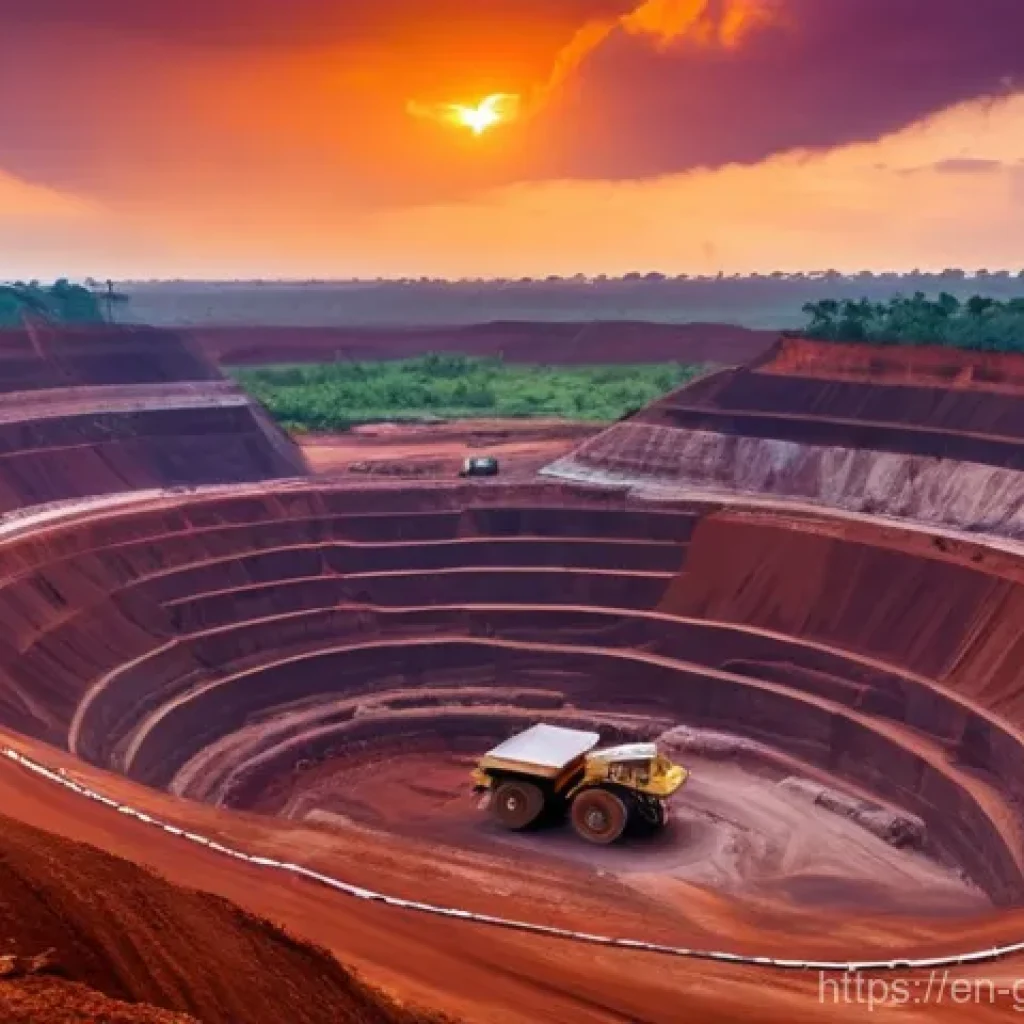
Okay, let’s just get straight into it. When I think of Guinea, the first thing that absolutely leaps to mind is its incredible mineral wealth. I mean, we’re talking about a nation that holds an estimated *one-third* of the world’s bauxite reserves! That’s not just a big number; it’s a monumental global significance, especially for the aluminum industry. And trust me, I’ve seen some impressive resource endowments in my travels, but Guinea’s really stands out. Beyond bauxite, you’ve got vast deposits of high-grade iron ore, particularly the legendary Simandou project, along with significant gold and diamond reserves. It’s a true geological treasure trove.
The Bauxite Bonanza and its Ripple Effects
Bauxite mining and alumina production have historically been the backbone of Guinea’s foreign exchange earnings, accounting for a massive 80% of it at one point, and still a significant portion today. I’ve personally observed how this industry drives so much of the economic activity, especially in regions like Boké. In 2023, for instance, bauxite production alone surged by an impressive 22%, which tells you just how robust this sector is. However, it’s not all smooth sailing; with such extensive mining comes environmental considerations. I’ve heard firsthand accounts of communities dealing with dust pollution affecting crops and air quality, and concerns about water sources being impacted. It’s a classic development dilemma, and it underscores the critical need for sustainable practices and robust environmental management from all the major players involved. This balancing act between resource extraction and community well-being is something I always keep an eye on, because true prosperity should lift everyone up.
Simandou: The Iron Ore Game Changer
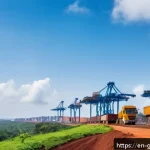
Now, let’s talk about Simandou. This isn’t just *any* iron ore project; it’s home to the world’s largest known untapped deposit of high-grade iron ore, estimated at a colossal 2.4 billion tonnes. I’ve been following its development closely, and the sheer scale of the infrastructure required – we’re talking a 600-kilometer railway and a new deep-water port – is mind-boggling. This project is anticipated to be a genuine game-changer, with projections suggesting it could nearly triple Guinea’s GDP in the medium term. While there have been some heartbreaking safety incidents recently, leading to temporary suspensions, the long-term vision remains clear: Simandou is set to transform Guinea’s economic landscape. The goal is to produce 120 million tonnes of premium ore annually, aiming for first exports very soon. It’s a massive undertaking that really highlights the ambitious trajectory Guinea is on.
Cultivating Future Prosperity: The Agricultural Renaissance
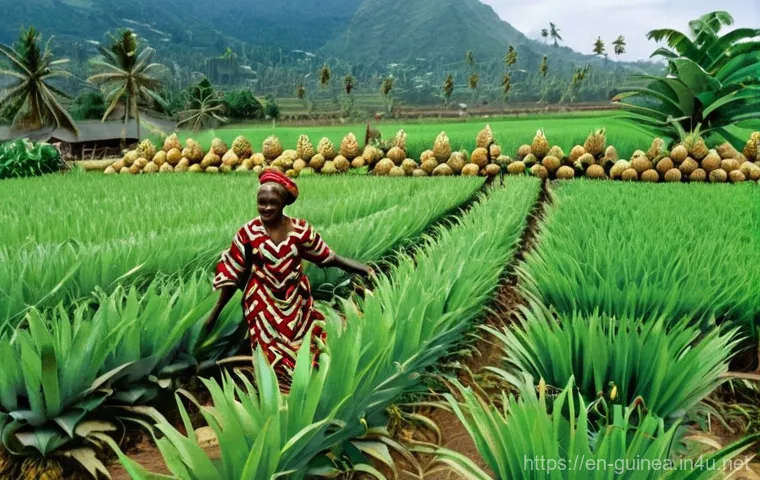
Beyond the glitter of minerals, what really captures my attention in Guinea is the profound, yet often underestimated, potential of its agricultural sector. You see, Guinea is sometimes affectionately called the “water tower of West Africa” because of its abundant rainfall and numerous rivers. Combine that with its vast arable land – a staggering 13.9 million hectares – and varied topography, and you have a recipe for agricultural abundance. Historically, Guinea was a major agricultural producer in French West Africa, but unfortunately, the sector faced a decline, turning the nation into a net food importer. However, what I’m seeing now is a palpable and exciting push to reverse that trend, and it’s something I genuinely believe will create more inclusive, widespread growth.
Unlocking the Land’s Potential
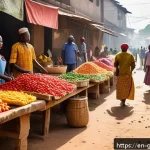
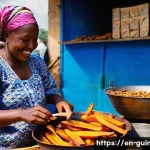
From my own observations and conversations, the government is incredibly keen to reinvigorate agriculture, viewing it as a priority sector for economic development and, crucially, for increasing food security. They’ve even boosted the agriculture and livestock budget! Imagine the impact of transforming agriculture from largely subsistence-level farming to more productive, climate-resilient practices. There are incredible opportunities in growing rice, pineapples, mangoes, potatoes, and other vegetables. I know that foreign firms are already looking to invest in large-scale projects, such as rice production, aiming to meet domestic demand and even eye export markets. The diverse climate means different regions can specialize, from the pineapples of Lower Guinea to the cotton of Upper Guinea. It’s a comprehensive approach that’s about more than just food; it’s about empowering rural households and creating sustainable livelihoods.
Bridging the Infrastructure Gap for Farmers
One of the biggest hurdles, from what I’ve gathered, is the infrastructure – or rather, the lack of it. Poor transportation routes, especially in the interior, make it tough for farmers to get their produce to markets before it spoils. And a robust cold chain? That’s still a dream for many. But this isn’t a story of despair; it’s a story of opportunity! I’m hearing about initiatives to build rice irrigation projects and improve roads, which are absolutely vital. Addressing these challenges will not only boost local consumption but also unlock Guinea’s potential to become an exporter of fresh and dried agricultural products, from bananas and pineapples to fonio and coffee. It’s all about connecting the dots, literally, between fertile fields and hungry markets, both domestic and international.
Powering Progress: Energy and Infrastructure’s Vital Pulse
You know, for any nation truly on the cusp of significant economic transformation, robust energy and infrastructure are not just important; they’re the absolute heartbeat of progress. And in Guinea, this beat is getting stronger. I’ve seen firsthand the critical role that investment in these sectors plays, not just in supporting massive mining projects, but in improving the daily lives of everyday Guineans and diversifying the economy. The country’s commitment to harnessing its immense hydroelectric potential is genuinely inspiring, aiming to turn Guinea into a regional energy hub.
Hydropower: The Green Engine of Growth
Guinea is often referred to as the “water tower of West Africa,” and for good reason! With its abundant rivers and consistent rainfall, the hydropower potential here is estimated at over 6,000MW. That’s enough to not only power Guinea but potentially export electricity to its neighbors. I remember when the Kaleta Dam came online, it more than doubled the nation’s electricity supply, bringing more reliable power to Conakry – a huge step forward! Projects like the Souapiti (450MW) and the Amaria (300MW) dams are further bolstering this capacity, and it’s truly incredible to witness these large-scale developments. The vision is clear: transition away from expensive and polluting heavy fuel oil plants towards a fully renewable energy market, with hydropower dominating the energy mix.
Beyond the Dams: Roads, Ports, and Connectivity
But it’s not just about power generation; it’s about getting that power, and indeed goods and people, where they need to go. Poor infrastructure has historically been a significant bottleneck, but there’s a real drive now to change that. I’ve seen efforts to improve transportation networks, including road and rail construction, which are absolutely essential for connecting key economic hubs and enabling trade. Think about the impact of the Simandou project’s railway and deep-water port – these aren’t just for iron ore; they create a fundamental backbone for broader economic activity. Furthermore, there’s a focus on expanding transmission and distribution lines, including cross-border interconnectors. These efforts are foundational, literally building the pathways for Guinea’s economic future.
Forging Connections: The Digital Awakening
If there’s one area where I’ve seen truly exponential growth and immense potential for Guinea, it’s in the digital realm. It’s exhilarating to watch a nation, once with very limited connectivity, now actively pursuing a “Digital Road Map” that aims to make it a leading digital economy in West Africa by 2025. What a transformation! This isn’t just about cool gadgets; it’s about empowering people, creating new opportunities, and fundamentally changing how business is done. The government’s vision here is ambitious, focusing on education, infrastructure, and secure data use, and I for one am incredibly optimistic about what this means for the country.
Bridging the Digital Divide
Not so long ago, internet penetration in Guinea was minuscule, mostly limited to slow dial-up in the capital. But things are moving at lightning speed now! By early 2024, roughly one-third of Guineans were internet users, and social media adoption has been skyrocketing, jumping over 30% from 2023 to 2024. This means social platforms are often the first, and primary, online experience for many, acting as crucial gateways to information and communication. This rapid adoption highlights a massive appetite for connectivity. The government is wisely leveraging public-private partnerships (PPPs) to expand and modernize telecoms infrastructure, particularly in underserved rural areas, with an eye towards deploying optical fiber and alternative wireless technologies. It’s truly inspiring to see a commitment to equitable access, knowing that connectivity can unlock so much potential for individuals and small businesses alike.
E-commerce and the Knowledge Economy
The rise of digital infrastructure naturally paves the way for a flourishing digital economy. I’ve noticed a significant push to develop a robust e-commerce industry, with discussions already underway with organizations like UNCTAD to build a supportive regulatory framework and enhance digital skills. This isn’t just about buying and selling online; it’s about fostering a knowledge-based society, promoting STEM education (especially for women!), and nurturing digital entrepreneurship. Think about it: digital tools can boost efficiency in traditional sectors like mining and agriculture through IoT sensors and AI, and even promote governmental transparency through open data portals. The digital transformation here is more than just a trend; it’s a strategic pillar for economic diversification and inclusive growth, making Guinea a truly fascinating market for anyone interested in the future of technology in Africa.
Navigating the Investment Horizon: Challenges and Opportunities
Alright, let’s talk brass tacks for a moment. For all its incredible potential, Guinea, like any developing nation, presents a unique set of challenges and opportunities for investors. From my vantage point, it’s a dynamic environment where risks are present, but the rewards for those who understand the landscape can be substantial. The government has expressed a very clear desire to attract foreign direct investment (FDI) to help diversify the economy, boost GDP growth, and create much-needed employment, which is a positive signal for anyone looking to engage.
Weighing the Scales: Hurdles and Headwinds
While the enthusiasm for growth is high, I’d be remiss not to mention the practical hurdles. Infrastructure, despite ongoing improvements, still lags in many areas, creating logistical challenges. Access to finance, especially for small and medium-sized enterprises (SMEs), can be difficult and expensive. There are also concerns around governance and the occasional opacity in procurement practices, which can make things tricky for foreign investors. High levels of unemployment and underemployment, particularly among the youth, present a long-term macroeconomic challenge that needs careful attention to ensure growth benefits everyone. And of course, political transitions always introduce an element of uncertainty, which I’ve learned to factor into any investment assessment.
Unlocking the Goldmine: Strategic Openings
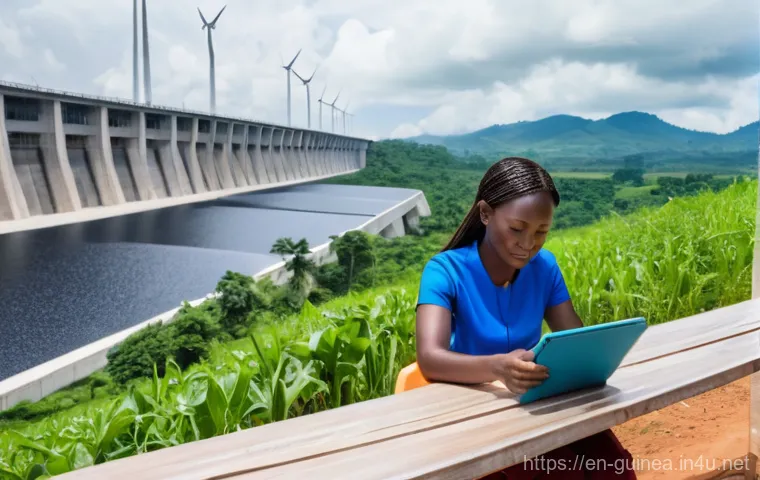
Despite these challenges, the opportunities are genuinely compelling. The government has adopted a proactive and positive stance toward FDI, even establishing agencies like the Agency for the Promotion of Private Investment (APIP) to support new businesses, facilitate access to incentives, and streamline procedures. I’ve noticed significant interest from American companies in sectors like energy, mining, and IT, which is always a good sign of burgeoning confidence. Guinea’s rich endowment of natural resources, coupled with vast arable land and growing energy opportunities, positions it as a prime location for investment in key sectors. The ongoing reforms aimed at improving the business climate, enhancing access to credit, and accelerating digitalization are all designed to make it easier and more attractive for both domestic and international players. It’s a market where patient, strategic investment, with a keen eye on sustainable and inclusive practices, truly has the potential to thrive.
Building a Brighter Tomorrow: Diversification and Value Addition
Now, here’s where the story of Guinea’s economic evolution really gets exciting for me: the strategic pivot towards diversification and, crucially, value addition. For too long, like many resource-rich nations, Guinea has largely exported raw materials. While this has certainly driven growth, I’ve seen the collective understanding shift towards the immense benefits of processing these resources domestically. This isn’t just about making more money; it’s about creating skilled jobs, fostering local industries, and building a more resilient, multifaceted economy that benefits a broader segment of the population. It’s about moving from simply being a supplier to being a producer, and that’s a massive shift!
Beyond Raw Exports: The Industrial Vision
I’ve witnessed firsthand the palpable ambition within Guinea to move beyond merely digging minerals out of the ground and shipping them off. The government, quite rightly in my opinion, recognizes that exporting unprocessed bauxite, for example, captures only a fraction of the potential value compared to processed aluminum products. This is why there’s such a strong push towards industrial diversification. I’m hearing about plans to establish refining capacities and downstream industries that can transform raw materials into higher-value goods. This means more local jobs, more transfer of technology and skills, and a more robust manufacturing base. It’s a challenging path, for sure, requiring significant investment in infrastructure and human capital, but the long-term rewards are undeniably worth it.
Strengthening Local Linkages and SMEs
A truly diversified economy also means strengthening the linkages between the powerhouse mining sector and other local industries. From my perspective, this is absolutely vital. Imagine mining companies sourcing more of their supplies and services from Guinean businesses, rather than importing everything. That’s a huge multiplier effect! The government is working to broaden the country’s base of small and medium enterprises (SMEs) through investment climate reforms and improved access to finance. This not only creates jobs but also builds a vibrant entrepreneurial ecosystem. I truly believe that fostering these local businesses – whether they’re in agriculture, construction, or even digital services – is key to ensuring that the wealth generated from Guinea’s natural resources translates into widespread economic prosperity and resilience against global commodity price fluctuations. It’s about building a future where Guinea isn’t just rich in resources, but rich in opportunities for all its citizens.
Empowering the People: Human Capital and Sustainable Development
When I look at Guinea’s economic journey, one of the most compelling aspects, and indeed one of the biggest opportunities, lies in its people. A nation’s true wealth isn’t just in its minerals or its land; it’s in the talent, resilience, and ingenuity of its population. What I’ve consistently observed in emerging economies is that investing in human capital, coupled with a deep commitment to sustainable practices, is the bedrock of long-term, inclusive prosperity. Guinea’s vision for 2040, which aims for a diversified and competitive economy, recognizes this by prioritizing human capital development alongside economic and environmental progress.
Investing in Education and Skills for the Future
Guinea has a youthful demographic profile, with a median age of around 18 years, which means there’s an incredible resource of young energy and potential. However, I’ve also noted that literacy rates, particularly among women, are still quite low, and education indicators generally lag behind global averages. This presents a clear area for impactful investment. The push for a knowledge-based society, fostering STEM education, and supporting digital entrepreneurship, as outlined in the Digital Road Map, is exactly the kind of forward-thinking strategy needed. Equipping Guineans with digital skills and technical training is paramount for them to actively participate in, and benefit from, the evolving economy. It’s about opening doors to better jobs and greater opportunities, and from my experience, that’s where real societal transformation begins.
Fostering Inclusive Growth and Poverty Reduction
Despite robust economic growth in recent years, largely fueled by mining and agriculture, the impact on poverty reduction hasn’t been as widespread as many would hope. Poverty remains high, and job creation in non-mining sectors has been limited. This is a challenge I’ve seen in many resource-rich countries, where the benefits don’t always trickle down. However, Guinea is actively addressing this by focusing on making growth more inclusive. Initiatives aimed at improving the business climate, enhancing access to credit for SMEs, and promoting economic diversification are all geared towards creating more job opportunities beyond the extractive industries. The Simandou project, for instance, is not just about mineral exports; the government’s primary objective is to leverage it as a catalyst for broader economic diversification, inclusive growth, and sustainable poverty reduction. It’s a holistic approach that truly emphasizes a future where economic success is shared by all.
Embracing a Green Path: Renewable Energy and Environmental Stewardship
In my global explorations, it’s become abundantly clear that sustainable development isn’t just a buzzword; it’s the only viable path forward. And Guinea, with its incredible natural endowments, is really beginning to lean into this. I’ve been so impressed by the government’s long-term energy strategy, which prioritizes renewable sources like solar and hydroelectric power. This isn’t just about being eco-friendly (though that’s certainly a huge plus!); it’s a shrewd economic move to reduce reliance on imported fuels and leverage the country’s abundant water resources for consistent, affordable power. It’s about securing energy independence and positioning Guinea as a leader in green energy for the West African region.
Harnessing the Sun and Water
We’ve already touched on Guinea’s “water tower” status and its immense hydropower potential, with projects like Kaleta, Souapiti, and Amaria leading the charge. But the story doesn’t end there; solar power is also gaining significant traction for both corporate and residential use. I recently heard about a major solar power project to bring clean energy to 72 rural communities and install solar-powered streetlights in 20 urban areas. This initiative, supported by the World Bank, is a fantastic example of practical, impactful green energy deployment. Imagine the transformation this brings to daily life, to small businesses, and to educational opportunities in remote areas! It’s about building a resilient energy mix, combining the steady power of hydro with the flexibility of solar, ensuring that Guinea’s growth is powered by clean, domestically sourced energy.
Mitigating Mining’s Footprint
Now, let’s be honest, large-scale mining operations, especially open-cast bauxite mining, can have significant environmental impacts. I’ve heard the concerns about dust, water pollution, and land degradation, particularly in the Boké region. But what’s encouraging is the growing awareness and commitment to addressing these issues. There’s a strong emphasis on implementing stricter environmental standards and ensuring that mining activities are conducted within a framework of sustainable development. The government’s focus is not just on maximizing extraction but also on minimizing risks and maximizing the benefits for local communities. This includes better management of waste, monitoring water quality, and considering rehabilitation efforts. It’s a continuous learning process, but the dedication to balancing economic imperatives with environmental stewardship is a promising sign for Guinea’s long-term ecological and economic health. This table summarizes some key economic indicators and opportunities:
| Economic Indicator/Sector | Key Information (as of 2023-2025) | Investment/Growth Opportunity |
|---|---|---|
| GDP Growth (2023) | 5.7% (estimated), driven by mining & agriculture. Accelerating to 7.1% in 2023. Projected 4.2% in 2024, 5.4% in 2025 | Stable growth forecast, particularly with Simandou iron ore coming online. |
| Mining Sector | World’s largest bauxite reserves (1/3), significant gold, diamond, iron ore (Simandou). Bauxite production surged 22% in 2023. | Iron ore (Simandou) set to triple GDP. Further bauxite, gold, and diamond exploitation. Downstream processing. |
| Agriculture Sector | 13.9 million hectares of arable land. Employs 52% of labor force. Major potential in rice, pineapple, mangoes, coffee. | Agribusiness, food security, export diversification, improved infrastructure (roads, irrigation). |
| Energy & Infrastructure | Over 6,000MW hydropower potential. Major dams (Kaleta, Souapiti, Amaria). Solar projects developing. | Hydroelectric and solar power generation, regional energy hub, grid expansion, roads, railways, ports. |
| Digital Economy | 1/3 of population online (2024), rapid social media growth. Government Digital Road Map. | Telecoms infrastructure (fiber, wireless), e-commerce, digital skills training, tech entrepreneurship. |
| Investment Climate | Positive government stance towards FDI. APIP agency support. Challenges: access to finance, infrastructure. | Reforms for business climate improvement, PPPs, SME development, diversified partnerships. |
Wrapping Things Up
As we’ve journeyed through Guinea’s economic landscape, it’s clear we’re looking at a nation brimming with untapped potential and a determined spirit. From its immense mineral wealth to the burgeoning agricultural sector, the ambitious digital transformation, and the strategic embrace of renewable energy, Guinea is genuinely charting a course for a brighter, more diversified future. I truly believe that with continued focused investment in its people and sustainable practices, this West African powerhouse is poised for remarkable and inclusive growth. It’s a compelling story of progress in the making.
Handy Tips for Navigating Guinea’s Economic Landscape
1. Mining is Just the Beginning: While Guinea’s mineral wealth is undeniably its backbone, keep an eye on the rapid growth in agriculture, energy, and digital sectors. Diversification is the key theme, opening up opportunities far beyond traditional mining.
2. Hydropower is a Game Changer: The country is leveraging its “water tower” status to become a regional energy hub. This means more reliable, affordable power for businesses and communities, a critical factor for any long-term investment.
3. Digital Transformation is Accelerating: Internet penetration and social media adoption are skyrocketing. This isn’t just a trend; it’s creating new avenues for e-commerce, education, and innovation, making the digital space a fertile ground for new ventures.
4. Government Support for FDI is Real: Agencies like APIP are actively working to attract and support foreign direct investment. While challenges exist, the proactive stance of the government offers a positive environment for strategic partnerships.
5. Focus on Local Linkages and SMEs: True prosperity hinges on inclusive growth. Investing in or partnering with local small and medium-sized enterprises not only supports the community but also builds a more resilient and integrated economy.
Key Insights to Remember
Honestly, if you’ve been following along, the biggest takeaway from Guinea’s economic narrative is its immense, yet largely underexplored, potential. This isn’t just about the vast reserves of bauxite or the legendary Simandou iron ore project, although those are certainly foundational. What truly resonates with me is the country’s strategic shift towards a more diversified and sustainable future. We’re talking about a nation that’s actively cultivating its agricultural strengths, aggressively investing in its abundant hydropower to become a regional energy exporter, and ambitiously building out its digital infrastructure to empower its youthful population. Yes, there are hurdles – infrastructure gaps, governance considerations, and the ongoing need for widespread poverty reduction – but the commitment to overcoming these challenges is palpable. For anyone looking at emerging markets, Guinea represents a truly dynamic landscape where strategic, patient investment, coupled with a genuine focus on value addition and human capital development, has the potential to yield significant, long-term rewards and contribute to a genuinely inclusive prosperity. It’s a testament to the resilience and ambition of its people.
Frequently Asked Questions (FAQ) 📖
Q: What are Guinea’s most exciting economic sectors right now, especially those moving beyond just mining?
A: Oh, this is such a fantastic question! You know, for a long time, when people thought of Guinea, their minds immediately went to mining, and for good reason—it’s always been a powerhouse, especially with its incredible bauxite reserves.
But what truly excites me, and what I’ve been seeing unfold, is a real push for diversification that’s opening up some seriously interesting avenues. Yes, mining still drives a huge chunk of exports, with bauxite production even surging by over 19% in 2023 and continuing to break records in 2025.
And the Simandou iron ore project, launching by late 2025, is set to be a game-changer, potentially boosting GDP significantly and drawing massive international investment.
But here’s where it gets really compelling: The smart money is increasingly looking at other sectors that are ripe for growth. Agriculture, for instance, is a sleeping giant!
Historically, Guinea was West Africa’s breadbasket, and it has this immense arable land and a truly favorable climate. The government is actively working to revitalize it, pushing for self-sufficiency in rice and eyeing crops like pineapples, fonio, potatoes, and mangoes for greater production and even export potential.
I’ve heard about foreign firms investing in rice projects, and that kind of dedicated focus is exactly what’s needed. Imagine the potential if they fully harness that agricultural wealth!
Then there’s the energy sector. Guinea boasts one of the highest hydroelectric potentials in West Africa, and they’re finally starting to tap into it.
I’m seeing significant investments in hydropower, with projects aimed at not only meeting domestic needs but also creating export opportunities within the region.
Cheaper, reliable electricity is a magnet for industrial growth, from manufacturing to agro-processing. And let’s not forget about infrastructure itself.
The development of the Transguinean Railway, while initially for Simandou, is designed with extra capacity to support other economic activities, making transportation across the country so much more efficient.
Plus, port upgrades are crucial for trade. Beyond these, there are burgeoning opportunities in agro-processing, fisheries, livestock, real estate, and even vocational training as the country builds its human capital.
It’s a holistic approach that truly makes Guinea a dynamic market to watch!
Q: What are the main challenges for businesses or investors considering Guinea, and what efforts are being made to address them?
A: That’s a super important question, because, like any developing nation on the rise, Guinea isn’t without its hurdles. From my perspective, having observed many emerging markets, the key challenges often boil down to infrastructure, governance, and ensuring that economic gains are broadly shared.
On the infrastructure front, while there’s a lot of exciting development, the reality is that poor road conditions, especially in rural areas, can still make transport costly and difficult, particularly for agricultural products.
There’s also a real need for robust cold chain logistics to prevent post-harvest losses. What I’ve seen, though, is a serious commitment to improving this.
Massive investments are pouring into modernizing the Port of Conakry, constructing new deep-water ports, and that ambitious 650 km Transguinean railway is not just for mining; it’s set to revolutionize logistics for other sectors too.
This multi-modal approach is crucial. Then we have governance and the business environment. Issues like legal uncertainty, challenges with land titling, and sometimes limited access to credit can be deterrents for investors.
But here’s where I see a genuine effort for change. The government is actively working to streamline processes by establishing commercial courts, digitizing land titles, and setting up one-stop shops for administrative procedures.
They’ve also introduced investment incentives like customs exemptions for up to 10 years, which, let me tell you, is a significant draw. And while a low rate of tax receipts has been a challenge for public spending, there’s a strong push to enhance domestic resource mobilization through better tax enforcement and digitalization.
Another thing I always look for is how a country manages its commodity dependence. Being so reliant on mining makes Guinea vulnerable to global price fluctuations.
This is precisely why the diversification efforts we talked about are so critical – building up agriculture, energy, and manufacturing helps create a more resilient, balanced economy.
It’s not a quick fix, but the deliberate strategies being put in place are definitely aimed at laying a stronger foundation.
Q: How is Guinea working to ensure its economic growth is inclusive and sustainable for all its citizens?
A: This is probably the most important question for any developing nation, and it’s something I always dig into when I’m exploring new economies. It’s one thing to see GDP numbers rise, but it’s another entirely to ensure that prosperity reaches everyone and benefits future generations.
In Guinea, despite robust growth recently, poverty remains high, and job creation outside of mining hasn’t kept pace, leading to significant inequality.
That’s a stark reality they’re facing head-on. One of the core strategies I’ve observed is a deep commitment to economic diversification. It’s not just about adding new sectors; it’s about building a more resilient economy that creates varied job opportunities.
The focus on transforming agriculture from subsistence farming to a more productive, market-oriented approach is huge. This means investing in infrastructure like irrigation and roads, providing access to better seeds and fertilizers, and helping farmers connect to markets.
This kind of grassroots development is essential for a country where over half the population works in agriculture. Beyond that, there’s a strong emphasis on human capital development.
When I speak with people on the ground, the sentiment is clear: investing in education and healthcare is non-negotiable for long-term growth and poverty reduction.
We’re seeing initiatives to improve access to quality education, including vocational training, to equip the younger generation with the skills needed for emerging industries.
The idea is to use revenues, especially from large projects like Simandou, to fund these crucial social sectors and infrastructure, ensuring the benefits are widely shared.
Finally, sustainable development practices are gaining traction. This means not just extracting resources, but doing so responsibly. For instance, with the Simandou project, there are significant commitments to managing environmental impacts and ensuring the project creates lasting development for communities, not just short-term gains.
The government is also looking at “climate-proofing” agriculture, adopting practices that are resilient to climate change risks and less impactful on the environment.
It’s a complex undertaking, but the focus on better management of mining revenues, strengthening public finances, and empowering local communities truly paints a picture of a nation striving for a more equitable and greener future.
It’s a journey, for sure, but the intentional steps being taken are truly encouraging.