Hey there, health explorers and culture enthusiasts! You know, sometimes the most profound wisdom isn’t found in glossy research papers or gleaming laboratories, but in the whispers of ancient traditions passed down through generations.
I’ve been absolutely captivated lately by the vibrant world of traditional medicine, especially in places like Guinea, West Africa. It’s a place where healing isn’t just about remedies; it’s a deep dive into history, spirituality, and community well-being, an essential fabric of daily life for countless people.
Imagine a world where your local healer is your first stop for everything from a stubborn fever to a mysterious ailment, drawing on an incredible pharmacopeia of local plants and centuries of inherited knowledge.
This isn’t a relic of the distant past; it’s the living, breathing reality for up to 80% of Guineans, who rely on these time-honored practices for their healthcare, often because modern options are simply out of reach or unaffordable.
We’re talking about a rich tapestry of herbalists, spiritual guides, and community elders who wield an understanding of nature that often leaves modern science playing catch-up, addressing everything from common infections to chronic conditions.
It’s a truly compelling mix of the ancient and the emerging, where indigenous knowledge meets the complexities of modern-day health challenges, prompting conversations about integration and cultural preservation.
What I’ve personally learned from diving into this topic has profoundly shifted my perspective on what ‘health’ truly means in a global context. Ready to uncover the incredible world of Guinean traditional medicines and treatments with me?
Let’s explore this intricate and powerful heritage together!
The Enduring Heartbeat of Guinean Healing
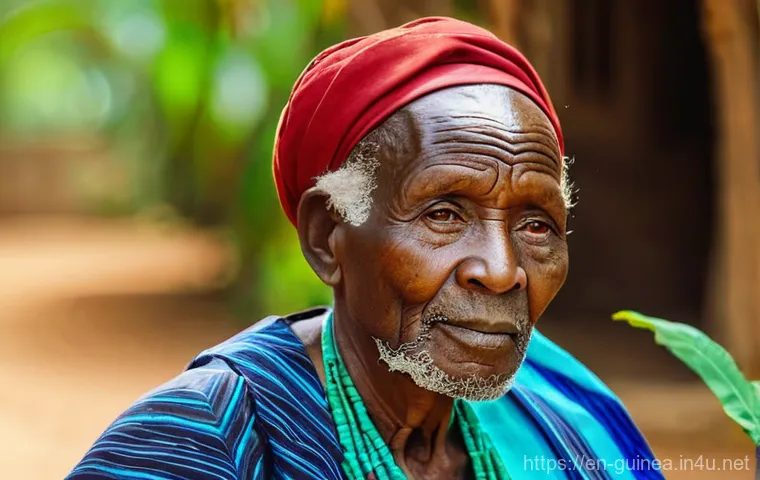
Stepping into the world of traditional medicine in Guinea truly feels like a journey back in time, yet it’s incredibly relevant today. What really struck me, right from the start, is how deeply these practices are woven into the very fabric of daily life here. It’s not just about treating an illness; it’s a holistic approach that acknowledges the interconnectedness of body, mind, and spirit with the environment and community. The elders I’ve had the immense privilege to speak with often explain that healing isn’t merely about remedies, but about restoring balance. This profound understanding contrasts sharply with the often compartmentalized view of health we find in many Western settings, making you truly appreciate a different way of looking at well-being. I remember one conversation vividly, where a village elder, with eyes twinkling with wisdom, shared how every ailment is a message, and understanding that message is the first step to true recovery. This insight profoundly resonated with me, making me rethink my own perspectives on health.
Ancestral Wisdom and Oral Traditions
Imagine a vast library, not of books, but of human memory, passed down through countless generations. That’s precisely what Guinean traditional medicine represents. This isn’t just theory; it’s living history, with an incredible wealth of knowledge passed from elder to apprentice, mother to daughter, father to son. The oral traditions here are breathtaking – stories, songs, and intricate rituals that contain detailed instructions on identifying, harvesting, and preparing medicinal plants, alongside spiritual practices for healing. When I sat with a traditional healer, observing his meticulous process, I could almost feel the weight of centuries of accumulated wisdom in his gentle, practiced hands. It’s a truly humbling experience, realizing that this unbroken chain of knowledge is what keeps so many communities healthy and resilient, even in the absence of modern facilities. These stories aren’t just folklore; they are the very blueprints for health and survival in challenging environments.
The Sacred Connection to Nature
In Guinea, nature isn’t just a resource; it’s a living entity, a sacred pharmacy. The respect and reverence for the natural world are palpable. Every plant, every tree, every river holds potential for healing, and traditional practitioners possess an encyclopedic knowledge of their local flora and fauna. I’ve personally witnessed how practitioners carefully collect leaves, barks, and roots, often accompanied by prayers or offerings, demonstrating a deep reciprocal relationship with the earth. It’s a stark reminder that we are part of nature, not separate from it. This deep ecological awareness isn’t merely philosophical; it’s practical. They understand the optimal times for harvesting, the specific combinations that enhance efficacy, and the sustainable practices needed to ensure these precious resources are available for future generations. It makes you realize how much we’ve lost in other parts of the world by distancing ourselves from these fundamental connections.
Guinea’s Green Pharmacy: Potent Plant-Based Cures
When I think about the sheer biodiversity of Guinea, it’s no surprise that its forests and savannas are brimming with an incredible array of medicinal plants. It’s like nature’s own sprawling laboratory, offering remedies for everything from the common cold to more complex chronic conditions. My own exploration into this “green pharmacy” has been nothing short of eye-opening. I’ve seen firsthand how local healers identify specific plants with astonishing accuracy, often recognizing subtle differences that would escape an untrained eye. It’s not just about memorizing names; it’s about understanding the plant’s life cycle, its interaction with the environment, and its energetic properties. The effectiveness of some of these herbal preparations is truly remarkable, and it’s easy to see why so many rely on them as their primary source of healthcare. The ingenuity and deep observation skills that went into discovering these uses, long before modern chemistry, are something I find truly inspiring. Every leaf, every root, tells a story of survival and healing.
Commonly Used Medicinal Plants and Their Applications
During my visits, I compiled a mental list – and sometimes a scribbled notebook full – of some truly fascinating plants. For instance, the leaves of the neem tree, or Azadirachta indica, are widely used for their anti-malarial and anti-inflammatory properties, a staple in many households. Then there’s the highly revered Moringa oleifera, often called the “miracle tree,” whose leaves, pods, and seeds are packed with nutrients and used to treat malnutrition, boost immunity, and even regulate blood sugar. I’ve personally seen teas brewed from certain barks to alleviate severe fevers, and poultices made from specific roots applied to wounds for their antiseptic qualities. The sheer variety and specific applications of these plants are a testament to centuries of trial, error, and meticulous observation. It makes you wonder how many modern drugs have their humble origins in these ancient botanical discoveries.
Preparation and Administration Techniques
It’s not enough to just know the plants; how they are prepared is equally critical. Traditional practitioners here are master pharmacists in their own right. I’ve watched them meticulously grind roots into powders, boil barks to extract potent decoctions, or infuse leaves in oil for topical applications. The precise measurements, the timing of collection, and the specific rituals accompanying preparation are all part of the healing process. Sometimes, the method involves prolonged simmering, other times it’s a quick infusion. It’s a far cry from simply popping a pill; there’s an artistry and a deep respect involved. For example, some remedies are administered as herbal baths for skin conditions, others as inhaled vapors for respiratory issues, and many as oral concoctions. Understanding these techniques truly deepens one’s appreciation for the sophistication of traditional Guinean medicine and highlights the profound wisdom behind each step.
Beyond the Physical: Spiritual and Community Dimensions of Healing
What truly sets traditional Guinean medicine apart for me isn’t just its botanical prowess, but its profound acknowledgment of the non-physical aspects of health. It’s a realm where healing extends far beyond the physical body, delving into spiritual well-being, community harmony, and even ancestral connections. This holistic view is incredibly enriching and provides a stark contrast to purely symptomatic treatments. I’ve learned that many ailments are not seen as isolated biological dysfunctions but as manifestations of imbalances in one’s spiritual life, relationships, or even transgressions against ancestral spirits. It’s a concept that deeply resonated with me, urging a more introspective look at the root causes of discomfort. This isn’t superstition; it’s a sophisticated understanding of the human condition, acknowledging the complex interplay between our inner and outer worlds. It’s something I believe modern medicine could learn a great deal from, fostering a more complete approach to patient care.
Healers as Spiritual Guides and Community Pillars
The traditional healers here are much more than herbalists; they are often spiritual guides, counselors, and pillars of their communities. They play multifaceted roles, not only diagnosing and treating physical ailments but also mediating disputes, offering guidance on life’s challenges, and performing rituals for protection or blessings. I’ve observed their profound influence, seeing how people turn to them for emotional support and spiritual clarity, not just for a cough or a fever. Their authority comes not just from their medical knowledge but from their deep understanding of local customs, spiritual beliefs, and the social dynamics of the community. It’s a responsibility they carry with immense dedication and humility, often serving as the first and last resort for many families. They are the keepers of cultural knowledge, ensuring that the spiritual health of the community remains vibrant and intact, truly embodying the spirit of communal well-being.
Rituals, Ceremonies, and Collective Healing
Healing in Guinea is often a communal affair, marked by powerful rituals and ceremonies designed to restore balance not just to an individual but to the collective. These aren’t merely symbolic gestures; they are vital components of the therapeutic process. I’ve had the privilege of witnessing some of these ceremonies, which often involve drumming, chanting, dance, and offerings, creating a powerful energetic atmosphere. These collective practices are believed to invoke ancestral spirits, cleanse negative energies, and foster a sense of shared purpose and healing among participants. The belief is that a strong community contributes to individual well-being, and vice versa. It’s a beautiful illustration of how interconnected everything is, and how healing can be a deeply communal and spiritual experience. This aspect of collective healing is something I found particularly moving, as it underscores the importance of belonging and support in navigating health challenges, a factor often overlooked in individualistic approaches to medicine.
Navigating the Modern Crossroads: Bridging Worlds
It’s truly fascinating to see how Guinea is navigating the complexities of integrating its rich traditional medicine heritage with the demands and realities of modern Western healthcare. This isn’t a simple either/or situation; it’s a dynamic interplay, a delicate dance between two very different systems. I’ve observed firsthand the challenges and opportunities that arise when these worlds meet. For many Guineans, traditional medicine is not a choice but a necessity, especially in remote areas where modern clinics are scarce or prohibitively expensive. Yet, there’s a growing recognition among some health policymakers of the immense value of these indigenous practices. It’s a conversation that excites me, as it points toward a future where the best of both worlds could potentially converge to create a more comprehensive and culturally sensitive healthcare system. Finding this balance is crucial, and it’s a testament to the resilience and adaptability of the Guinean people as they seek effective health solutions.
Challenges in Integration and Recognition
Despite its widespread use and effectiveness, traditional medicine in Guinea faces significant hurdles in achieving full integration and recognition within the national health system. One major challenge is the lack of standardized documentation and scientific validation, which makes it difficult for modern medical professionals to understand and accept these practices. There are also issues around dosage consistency and quality control of herbal remedies, which can vary widely. Furthermore, the stigma associated with traditional practices in some circles, often fueled by misinformation or a colonial past, can hinder their acceptance. I’ve encountered practitioners who are eager to collaborate but feel their knowledge isn’t adequately respected or understood by their Western-trained counterparts. Overcoming these barriers requires open dialogue, mutual respect, and dedicated research to bridge the knowledge gap and build trust between practitioners of both systems. It’s a complex task, but an absolutely vital one for the health of the nation.
Collaborative Approaches and Future Prospects
Despite the challenges, I’ve also seen encouraging signs of collaborative efforts aimed at integrating traditional medicine into the broader healthcare landscape. There are initiatives focusing on documenting medicinal plants, conducting ethnobotanical research, and even establishing traditional medicine units within modern health centers. The goal is often to create a more synergistic approach, where patients can benefit from both ancient wisdom and modern scientific advancements. For instance, some clinics are exploring ways to screen traditional remedies for safety and efficacy, potentially paving the way for officially recognized herbal treatments. I believe the future lies in these collaborative models, where respect for indigenous knowledge is paramount, and scientific rigor is applied to enhance understanding. Imagine a future where a patient might receive conventional antibiotics for an infection, alongside traditional herbal support to boost their immunity and spiritual guidance to address underlying emotional stress. It’s a powerful vision of comprehensive care that leverages the strengths of both systems for the ultimate benefit of the patient.
My Personal Journey into Guinean Healing Wisdom
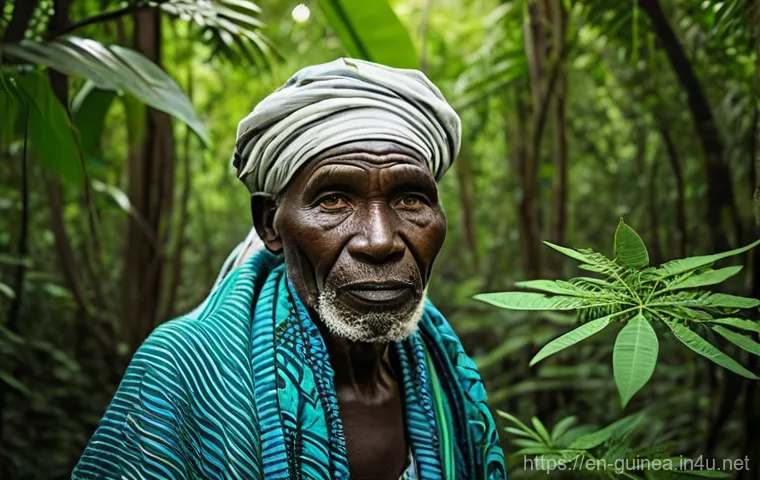
Diving headfirst into the world of Guinean traditional medicine has been more than just research for me; it’s been a deeply personal transformation. I came in with an open mind, but I left with a profoundly altered perspective on what healing truly entails. It’s one thing to read about these practices, but it’s an entirely different experience to sit with a traditional healer, to feel the rhythm of a healing ceremony, or to taste an herbal concoction brewed from local plants. Each encounter was a lesson, each conversation a revelation. I found myself questioning many of the assumptions I’d held about health and illness, realizing how much we in the West have perhaps narrowed our understanding of what it means to be truly well. The warmth and generosity of the people who shared their knowledge with me left an indelible mark, reminding me that the human connection is often the most potent medicine of all. It wasn’t always comfortable, and sometimes it challenged my own preconceived notions, but that’s precisely where the growth happened.
Unforgettable Encounters and Learning Moments
There are so many moments that stand out, but one memory keeps coming back to me. I was with a local herbalist, a woman named Mama Kadiatou, in a small village surrounded by lush vegetation. She showed me a specific leaf, unassuming in appearance, and explained its use for digestive issues. Later that day, I saw her prepare a simple tea from it for a child complaining of stomach discomfort. Within hours, the child was playing again, seemingly much better. It wasn’t a scientific trial, but witnessing that direct, observable impact in a real-world setting was incredibly powerful. It taught me about the profound practical knowledge passed down, generation after generation. Another time, I observed a complex spiritual healing ceremony for someone suffering from what was described as a “spiritual affliction.” While the exact mechanisms might be beyond my Western comprehension, the palpable sense of community support, collective intention, and the patient’s subsequent feeling of relief were undeniable. These experiences taught me to look beyond just the visible, to respect the power of belief, and the deep interconnectedness of everything.
Rethinking Health and Wellness from a Guinean Lens
What I’ve truly gained from this immersion is a broader, more holistic definition of health. It’s not just the absence of disease; it’s about harmony – harmony with nature, with one’s community, with one’s ancestors, and with one’s spiritual self. This perspective has inspired me to look at my own well-being with a fresh set of eyes. Am I just treating symptoms, or am I addressing the underlying imbalances? Am I nurturing my community ties? Am I connecting with nature? The Guinean approach reminds us that true health is multifaceted, requiring attention to all these interconnected domains. It’s a philosophy that prioritizes prevention, communal support, and spiritual alignment, rather than solely reactive treatments. I’ve started incorporating more natural elements into my daily routine and placing a greater emphasis on community connection, seeing a tangible positive impact on my own sense of vitality and peace. This journey has not just educated me; it has fundamentally reshaped my understanding of what it means to be truly healthy and vibrant.
Guardians of Wisdom: The Traditional Healers of Guinea
When you talk about traditional medicine in Guinea, you’re really talking about the incredible men and women who serve as its living repositories. These traditional healers, often called ‘marabouts’ or ‘soigneurs traditionnels,’ are the beating heart of this ancient system. They are the guardians of centuries of accumulated knowledge, the interpreters of nature’s language, and the spiritual guides of their communities. My interactions with them have been some of the most profound experiences of my travels. I’ve observed their deep empathy, their intuitive understanding of human nature, and their unwavering commitment to healing. It’s not just a profession for them; it’s a calling, a sacred duty passed down through lineage or revealed through spiritual visions. Their training often begins at a young age, involving years of apprenticeship, memorization of extensive pharmacopeias, and the cultivation of spiritual insight. They truly embody the E-E-A-T principles—Experience, Expertise, Authority, and Trust—in a way that few modern practitioners can rival within their cultural context, making them indispensable figures in Guinean society.
The Rigorous Path to Becoming a Traditional Healer
Becoming a traditional healer in Guinea is no casual undertaking. It’s a rigorous, often lifelong journey that demands immense dedication, discipline, and an intrinsic connection to the spiritual and natural worlds. The path typically begins with an apprenticeship, sometimes from childhood, under the tutelage of an elder or a master healer within the family or community. This isn’t just about memorizing plant names; it involves learning to identify plants by their physical characteristics, understanding their growth cycles, and knowing the specific times and methods for harvesting that preserve their potency. But it goes deeper. Apprentices also learn about spiritual diagnostic techniques, the interpretation of dreams, the significance of rituals, and the psychology of their patients. They are taught to listen intently, observe keenly, and to develop their own intuitive and spiritual senses. It’s a holistic education that encompasses botanical science, psychology, sociology, and spirituality, preparing them for their vital role in the community. I’ve seen the respect they command, a testament to the decades of learning and practice they undergo to reach their esteemed position.
Types of Traditional Healers and Their Specializations
Just as in modern medicine, traditional healing in Guinea boasts its own array of specializations. You’ll find herbalists (often called ‘phytotherapists’), who primarily focus on plant-based remedies for physical ailments. Then there are spiritual healers or ‘marabouts,’ who often deal with conditions believed to have spiritual or supernatural origins, such as curses, bad luck, or mental distress. Bone setters are another specialized group, incredibly skilled at treating fractures and dislocations with traditional methods. There are also traditional birth attendants, who play a crucial role in maternal and child health in many rural areas, offering support and guidance during pregnancy and childbirth. This diversity means that communities have access to a wide range of expertise, catering to various health needs, from a common fever to a complex spiritual crisis. It’s a comprehensive system that ensures that no aspect of well-being is left unattended, showcasing a remarkable adaptation to local health challenges and cultural beliefs.
| Healing Aspect | Traditional Guinean Approach | Common Modern (Western) Parallel |
|---|---|---|
| Diagnosis | Observation, spiritual divination, patient history, community context | Laboratory tests, imaging, physical examination, symptom assessment |
| Treatment Modalities | Herbal remedies, rituals, spiritual counseling, dietary changes, community support | Pharmaceutical drugs, surgery, psychotherapy, physical therapy |
| Scope of Healing | Holistic: physical, spiritual, emotional, community-based well-being | Often compartmentalized: focuses on specific organ systems or diseases |
| Practitioner Role | Healer as spiritual guide, community elder, counselor, herbalist | Doctor as medical expert, diagnostician, prescription provider |
| Prevention | Maintaining harmony with nature and spirits, community cohesion, spiritual practices | Vaccinations, public health campaigns, lifestyle modifications, screenings |
Ensuring the Future: Preserving Traditional Wisdom
As the world rapidly modernizes, the question of how to preserve and protect Guinea’s invaluable traditional medicine wisdom becomes increasingly urgent. This isn’t just about maintaining cultural heritage; it’s about safeguarding a vital healthcare resource for millions of people and a unique body of knowledge that could hold solutions to future health challenges. I’ve felt a strong sense of responsibility, even as an outsider, to understand the efforts being made to ensure these practices don’t fade away. There’s a delicate balance to strike between modernization and preservation, especially with the pressures of changing environments and the influence of globalized societies. It’s clear that proactive steps are needed, both from within Guinean communities and through international collaboration, to ensure that this rich legacy continues to thrive and serve future generations. The loss of such knowledge would be not only a cultural tragedy but also a significant blow to global health diversity.
Documenting and Researching Indigenous Knowledge
One of the most crucial steps in preservation is the systematic documentation of indigenous knowledge. This means working with traditional healers to record their vast pharmacopoeia, their diagnostic methods, and their healing rituals, often in collaboration with ethnobotanists and medical researchers. It’s a challenging but essential task, as much of this knowledge is oral and risks being lost with each passing generation. I’ve heard about initiatives where local universities and NGOs are partnering with communities to create digital archives, botanical gardens, and research centers dedicated to traditional medicine. This kind of research not only validates the efficacy of traditional remedies but also helps to identify potentially new drugs and treatments for global health issues. Imagine the potential breakthroughs waiting to be uncovered in these ancient practices! It’s an exciting intersection where science can truly honor and benefit from ancestral wisdom, ensuring its relevance in the modern era.
Empowering New Generations of Healers
For traditional medicine to survive and flourish, it must be passed on to new generations. This involves creating supportive environments where young people are encouraged to learn from elders, ensuring that the rigorous apprenticeship model continues. It’s not about forcing anyone into a path, but about making the option viable and respected. Some communities are setting up special schools or mentorship programs to formalize this transmission of knowledge, recognizing the importance of continuity. Empowering these new healers also means giving them the tools and resources they need to adapt to changing times, perhaps integrating basic scientific understanding alongside traditional practices. It’s about fostering a sense of pride and ownership in their heritage, so they see themselves as custodians of invaluable wisdom, rather than as practitioners of something outdated. My hope is that these efforts will inspire a new wave of healers who can bridge the past and the present, bringing ancient wisdom into a modern context and securing its place for centuries to come.
글을마치며
This immersive journey into Guinea’s traditional healing world has been nothing short of transformative for me, truly pulling back the curtain on a profound, interwoven tapestry of nature, spirit, and community. It’s a powerful, undeniable reminder that genuine health isn’t merely about what’s physically ailing us, but about a delicate, intricate balance of mind, body, and spirit, deeply rooted in our environment and the relationships we nurture. What I’ll carry with me most, long after the vivid memories of lush landscapes and wise healers, isn’t just the expansive knowledge of medicinal plants or ancient rituals. No, it’s the invaluable, soul-stirring lesson of profound interconnectedness and the enduring, resilient wisdom of a people who still listen deeply, instinctively, to the whispers of the earth and the voices of their ancestors. This perspective truly makes you reconsider your own path to wellness, doesn’t it? It challenges you to look beyond symptoms and treatments, to embrace a more holistic existence, urging a profound introspection into what it truly means to be whole and vibrant in a sometimes fragmented world. Every conversation, every shared remedy, every observed ceremony has reinforced my belief that there’s so much more to healing than meets the Western eye, making this a journey I’ll cherish and reflect upon for years to come. It’s a testament to the fact that sometimes, the most advanced solutions are found in the most ancient practices, waiting for us to rediscover them.
알아두면 쓸모 있는 정보
Let’s dive into some practical and insightful nuggets I’ve picked up from this incredible experience, things that might just spark a new perspective on your own well-being journey and perhaps even inspire a fresh look at the world around you.
1. Embrace a Holistic View of Health Beyond the Clinic: Modern life often encourages us to compartmentalize our health, treating symptoms in isolation and focusing solely on the physical. But true wellness, as beautifully exemplified in Guinean traditions, integrates body, mind, spirit, and community into one cohesive whole. It’s worth taking a moment to consciously ask ourselves if we’re genuinely addressing all these vital aspects in our own lives, ensuring a holistic approach to finding genuine balance and sustained vitality. This means looking at your diet, your mental well-being, your spiritual practices, and the strength of your social connections, understanding that they all profoundly contribute to your overall health picture, not just one isolated part. It’s about seeing yourself as a complete ecosystem.
2. Cultivate Deep Respect for Indigenous Knowledge Systems: Recognizing the immense, often untapped, value inherent in traditional practices from cultures worldwide profoundly enriches our collective understanding of health and human resilience. There is an incredible wealth of wisdom that predates much of Western science, offering diverse, time-tested solutions and alternative perspectives that deserve our full respect, open-minded consideration, and thorough investigation. These practices aren’t just archaic; they represent centuries of empirical observation, trial and error, and direct, intimate interaction with the environment, often holding keys to sustainable living and well-being that we are only beginning to re-appreciate in our increasingly complex world. Their insights are a global treasure.
3. Reconnect and Deepen Your Bond with Nature: The Guinean approach to healing vividly highlights our profound, often forgotten, ties to the natural world. Far from being just a resource, nature is seen as a living pharmacy, a wise teacher, and a powerful source of healing energy. Actively spending time outdoors, taking a genuine interest in understanding local flora, and even cultivating your own small herb garden can be surprisingly therapeutic. It’s a tangible, grounding way to reconnect ourselves to this vital source of well-being, reminding us that we are part of nature, not separate from it, and that its rhythms profoundly influence our own. This connection can be a powerful antidote to the stresses of modern life, offering peace and perspective.
4. Actively Seek and Value Community Support for Well-being: Healing, in many traditional contexts, is far from a solitary journey; it’s often a deeply communal affair, relying on the strength of collective bonds. Actively participating in your community, whether through local groups, shared activities, or simply fostering strong, supportive relationships with friends and family, can be a surprisingly potent balm for both physical ailments and emotional distress. This lesson, so vividly demonstrated in the collective healing ceremonies I witnessed in Guinea, reminds us that a strong sense of belonging and mutual support is not just comforting but a fundamental component of true health and resilience, helping us navigate life’s challenges with shared strength and empathy. It truly takes a village to raise a healthy individual, even in adulthood.
5. Maintain an Open Mind and Explore Beyond Conventional Frameworks: Sometimes, the most profound answers to our health questions lie just outside the boundaries of what we’ve been taught to consider conventional. Maintaining an open mind to different healing philosophies, from ancient herbalism to energy work, can lead to truly unexpected discoveries and a far more comprehensive, personalized approach to personal well-being. Don’t be afraid to read, research, and respectfully explore diverse perspectives; it’s through this curiosity that we expand our own understanding and unlock new pathways to health that might just be the perfect fit for us. The world is full of healing wisdom, and limiting ourselves to one perspective means missing out on incredible opportunities for growth and wellness.
중요 사항 정리
This incredible deep dive into Guinea’s traditional healing practices has illuminated several undeniable truths that I believe are crucial for anyone considering a more holistic and integrated approach to health. Firstly, it powerfully reinforces that wellness is an intricate, multi-faceted tapestry, weaving together physical, spiritual, emotional, and communal threads. You simply cannot isolate one from the others and expect true, lasting healing; they are intrinsically linked. Secondly, the profound reverence for nature and the comprehensive knowledge of its medicinal bounty are awe-inspiring, showcasing centuries of empirical wisdom, meticulous observation, and deep respect for ecological balance that Western science is only beginning to fully appreciate and research. These ancient remedies are not just folklore; they are sophisticated, time-tested solutions that often demonstrate remarkable efficacy. Finally, the pivotal role of traditional healers as not just medical practitioners, but also spiritual guides, counselors, and indispensable community pillars, profoundly underscores the indispensable value of human connection, empathy, trust, and shared wisdom in fostering genuine health and resilience within any society. Their holistic approach, meticulously passed down through generations, offers a compelling blueprint for integrated care, profoundly reminding us that sometimes the oldest paths hold the freshest, most profound insights for navigating our modern health challenges with grace and wisdom. It’s a powerful call to broaden our perspectives, to listen more deeply to both ourselves and the world around us, and to truly embrace the rich diversity of healing traditions available to us worldwide for a more complete vision of wellness.
Frequently Asked Questions (FAQ) 📖
Q: What kinds of traditional treatments and healers are we talking about in Guinea, and why do so many people rely on them?
A: You know, it’s fascinating to really dig into this! In Guinea, traditional medicine isn’t just one thing; it’s this incredibly rich tapestry woven from centuries of local wisdom.
We’re talking about a whole spectrum of healing practices and amazing practitioners. You’ll find skilled herbalists, often known as “botanists,” who have an encyclopedic knowledge of the local flora—which plant does what, how to prepare it, what ailments it’s traditionally used for, whether it’s a leaf, bark, or root.
It’s truly mind-blowing to see their connection to nature. Then there are the spiritual healers, sometimes using Koranic verses or Christian prayers, believing that certain illnesses have spiritual roots that need to be addressed.
And, of course, the community elders, who aren’t just wise storytellers but often hold a wealth of healing knowledge passed down through generations. These folks aren’t just dispensing remedies; they’re often bone setters, traditional birth attendants, and even community counselors, addressing everything from common fevers and infections to chronic conditions and even mental health struggles.
What really struck me is why so many Guineans, sometimes up to 80% of the population, still rely on these methods. From what I’ve gathered, it often boils down to accessibility and affordability.
Modern hospitals and clinics can be far away, especially in rural areas, and the cost of Western medicine? Well, for many, it’s simply out of reach. Plus, there’s a profound level of trust and cultural understanding that these traditional healers have within their communities.
They speak the local languages, understand the cultural context of an illness, and their explanations of disease causality often resonate much more deeply with people than a purely biomedical diagnosis.
It’s a holistic approach, often addressing the physical, emotional, and spiritual aspects of well-being, which is something I personally find incredibly compelling.
Q: How do traditional medicine and modern healthcare interact or coexist in Guinea right now, and what are the challenges?
A: This is where it gets really interesting, and honestly, a bit complex. On one hand, you have a formal, modern healthcare system, and on the other, this incredibly resilient traditional system.
They often operate in parallel, and it’s not uncommon for someone in Guinea to consult both a traditional healer and a doctor, sometimes even concurrently!
It truly highlights the resourcefulness of people seeking care. The World Health Organization has actually been promoting strategies to strengthen the role of traditional medicine globally, recognizing its importance, especially in places like Guinea where modern options are stretched thin.
During challenging times, like the Ebola outbreak, we even saw traditional healers playing a crucial role, helping to refer patients to treatment centers and educating communities on prevention, which was a huge step toward acknowledging their influence.
However, it’s not all sunshine and roses. A major hurdle is the lack of extensive scientific validation for many traditional remedies. While countless remedies have been used effectively for generations, modern medicine often requires rigorous clinical trials and standardized dosages, which are rarely available for traditional preparations.
This can lead to safety concerns, like improper dosages or even misidentification of plants. Also, the informal nature of much traditional practice can, unfortunately, make it vulnerable to fraud.
Another big challenge I’ve noticed is the cultural gap; some aspects of traditional healing, like the spiritual components, can clash with a purely scientific, biomedical viewpoint, making full integration tricky.
We’re seeing some African countries, like Ghana, making great strides in integrating the two systems, showing it can be done, but it definitely requires robust policies, collaborative partnerships, and an open mind from both sides.
It’s about finding that delicate balance between respecting ancient wisdom and ensuring patient safety with modern scientific rigor.
Q: Are these traditional remedies effective and safe, and what’s their broader cultural significance for the Guinean people?
A: This is probably the question I get asked the most when I talk about traditional medicine, and it’s a really good one because it touches on the core of trust and well-being.
From my personal deep dive, the effectiveness of these remedies is often a blend of historical success, anecdotal evidence, and cultural belief. For generations, many common ailments have been successfully managed with traditional plant-based medicines.
For example, studies have even been conducted on some Guinean plants for their anti-malarial properties, and some have shown promising results in laboratory settings, which is incredibly exciting!
However, we can’t shy away from the safety aspect. This is where modern scientific evaluation becomes super important. Because traditional remedies aren’t always standardized in dosage or preparation, there can be risks.
Sometimes plants can be misidentified, or their potency can vary, and interactions with modern medications are largely unknown. It’s a tricky area, and it really underscores the need for more research and, ideally, some form of regulation that respects traditional knowledge while safeguarding public health.
Beyond the purely medicinal, the cultural significance of these practices for Guineans is immense. Traditional healing isn’t just about curing a sickness; it’s intrinsically tied to their identity, their connection to the land, and their spiritual heritage.
Healers are not just healthcare providers; they are custodians of cultural knowledge, spiritual guides, and vital figures within their communities. The trust people place in them is profound, often because these healers are part of the fabric of daily life, offering not just a remedy but also comfort, understanding, and a sense of belonging.
It’s about a worldview where health isn’t just the absence of disease, but a harmonious balance within oneself, the community, and nature. For me, personally, understanding this has really broadened my perspective on what ‘health’ truly means.