Hey there, fellow adventurers and nature enthusiasts! You know, sometimes I look back at my travels and realize certain places just leave an indelible mark on your soul.
West Africa, particularly the Republic of Guinea, truly holds a special place in my heart, and let me tell you why: its utterly incredible wildlife. Many people think of other African nations for safaris, but Guinea?
It’s a hidden gem, a real biodiversity hotspot that’s often overlooked, and that’s precisely what makes it so magical. I’ve personally been so captivated by the sheer variety of life there, from the vibrant bird species painting the skies to the elusive forest elephants that roam its dense, humid forests.
What really excites me about Guinea’s natural world is the raw, untamed beauty you encounter. Imagine traversing lush rainforests and expansive savannas, knowing you’re in one of the world’s most vital biodiversity strongholds, a place where pygmy hippos make their homes and critically endangered Western chimpanzees thrive.
However, it’s not all sunshine and perfect pictures; this incredible ecosystem faces real, pressing challenges. Issues like deforestation driven by agriculture, the impact of mining, and the persistent threat of illegal wildlife trade are constantly at play, making conservation efforts more crucial than ever.
But here’s the hopeful part: there’s a growing buzz around sustainable eco-tourism, aiming to protect these precious habitats while empowering local communities.
If you’re anything like me, you’re probably eager to delve deeper into this captivating world, exploring the unique creatures that call Guinea home and understanding the delicate balance of their existence.
So, let’s journey together and uncover the fascinating secrets of Guinea’s wild heart. You won’t believe what we’re about to discover.
Unmasking the Forest’s Elusive Inhabitants
You know, walking through Guinea’s dense forests, you get this incredible sense of anticipation. Every rustle in the leaves, every distant call, makes you wonder what incredible creature is just out of sight.
I’ve always felt that thrill of trying to catch a glimpse of something truly rare, something that few others have been lucky enough to see. It’s not like visiting a zoo; this is their home, raw and untamed.
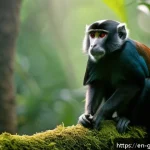
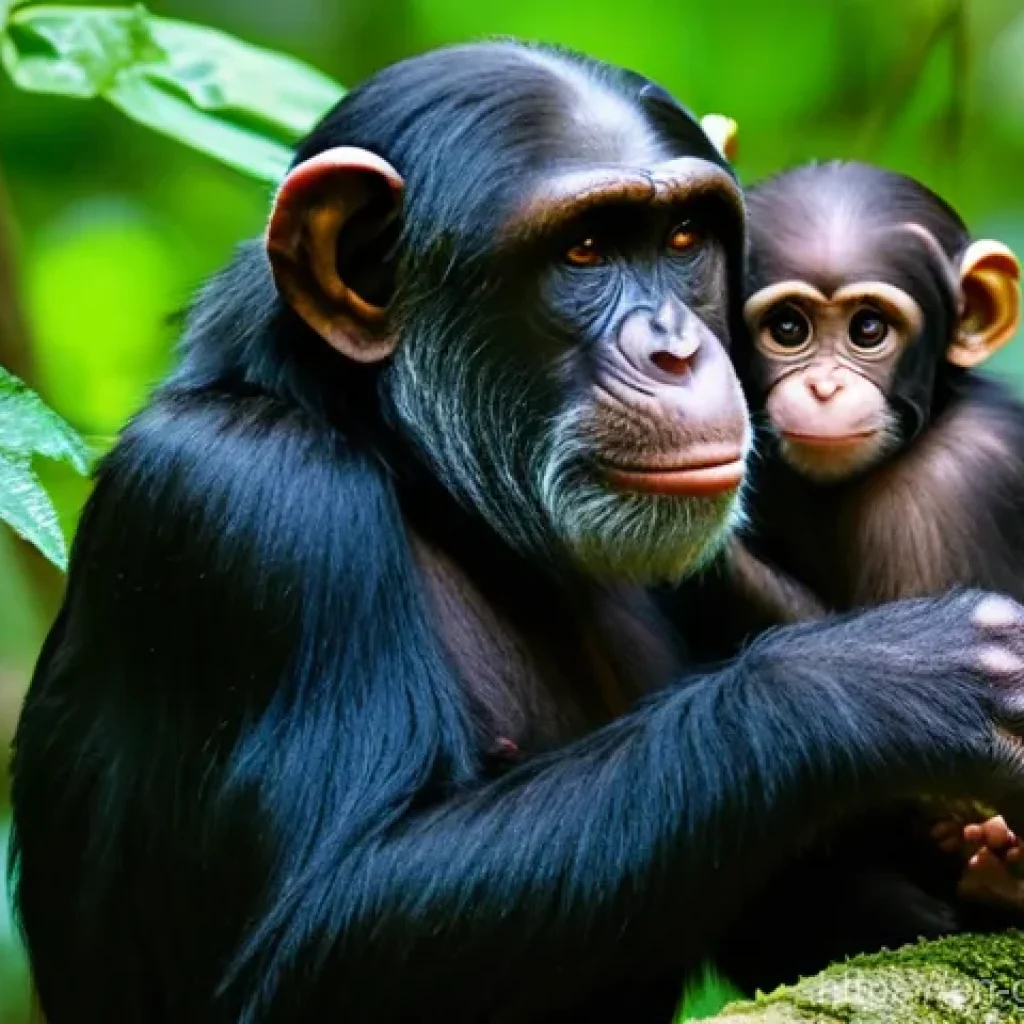
Among the most iconic residents, and certainly one of the most fascinating for me, are the Western chimpanzees. These aren’t just any chimps; they’re incredibly intelligent, often using tools in ways that would genuinely surprise you.
They are, sadly, critically endangered, with a significant portion of their remaining population finding sanctuary in Guinea, often in remote areas outside of formal protected zones.
Knowing that their very survival hinges on the preservation of these fragmented forests truly makes every sighting feel like a precious gift. When you observe them, you see a reflection of ourselves in their complex social structures and their clear emotional depth.
It makes you feel so connected to this wild world, understanding that we share so much with them.
Giants of the Green Canopy: Western Chimpanzees
It’s honestly breathtaking to spend time near a Western chimpanzee community. I remember one particular morning, tucked away quietly, watching a mother chimp patiently teaching her young one how to crack nuts using a stone.
It wasn’t just a basic action; it was a demonstration of learned behavior, passed down through generations. These critically endangered primates are absolutely vital to Guinea’s ecosystem, not just because they are one of our closest living relatives, but because they play a huge role in seed dispersal, helping the forest regenerate.
What’s heartbreaking is that so many of them live perilously close to human settlements or roads, making them incredibly vulnerable to habitat destruction from things like agriculture and illegal hunting.
Their future truly hangs in the balance, and it makes every effort to protect their forest homes feel incredibly urgent and personal.
The Shy Swimmers: Pygmy Hippos
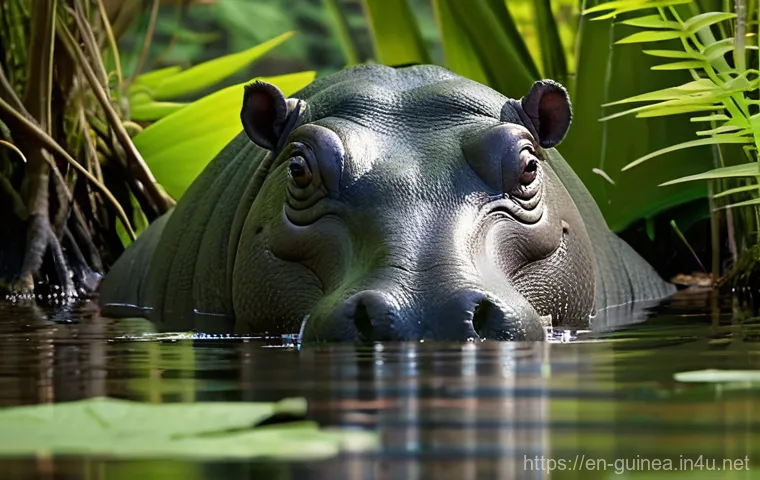
Before I traveled to Guinea, I honestly didn’t even realize there was such a thing as a “pygmy hippo”! I always imagined the huge, river-dwelling beasts.
But these guys? They’re completely different. They’re much smaller, super elusive, and prefer the shadowy, watery depths of forest swamps and rivers.
They’re also classified as endangered, and it’s easy to see why. Their habitat, these specific lowland forests with dense vegetation, is disappearing at an alarming rate due to logging and conversion to farmland.
I was lucky enough to catch a fleeting glimpse of one during a very early morning trek near a remote river, a truly magical moment that felt like seeing a mythical creature.
They are nocturnal, adding to their mysterious aura, and spend their days hidden away. Learning about their struggle really hit home for me, highlighting how many incredible, lesser-known species are silently fighting for survival in these vital ecosystems.
Guardians of the Green Heart: Conservation in Action
It’s easy to feel overwhelmed by the challenges facing Guinea’s wildlife, but I’ve personally seen so many passionate people and organizations working tirelessly on the ground to make a real difference.
It’s inspiring, to say the least. From local communities who are changing age-old practices to international NGOs bringing in crucial resources and expertise, there’s a growing movement to safeguard this incredible biodiversity.
I’ve visited some of these protected areas, and the sheer dedication of the park rangers and conservation agents is something that truly stays with you.
They often work with limited resources, putting their lives on the line to protect these animals from poachers and habitat destruction. Their commitment gives me a lot of hope that Guinea’s natural treasures can not only survive but thrive for future generations.
It’s a testament to what can be achieved when people come together with a shared vision for conservation.
Establishing Safe Havens: Protected Areas
I remember chatting with a local guide who told me about the Ziama Massif Biosphere Reserve. He spoke about it with such pride, describing it as a fortress for nature.
These protected areas, like the Ziama Massif, the Upper Niger National Park, and the Badiar National Park, are absolutely critical. They act as vital refuges, offering a degree of safety from the relentless pressures of human activity.
It’s within these boundaries that species like the African forest elephant, which has one of the most precarious populations on the continent, find their last strongholds.
I’ve heard stories of new elephant families being spotted, including calves, a truly heartwarming sign that these protected spaces are working. The challenge, of course, is that only about 7% of Guinea’s territory is currently under protection, which means we need more of these dedicated safe zones.
Empowering Local Stewards: Community Initiatives
What really resonated with me during my travels was seeing how local communities are becoming increasingly involved in conservation. It’s one thing for international organizations to come in, but it’s entirely another for the people who live alongside this wildlife to become its most ardent protectors.
I saw initiatives where communities were being educated about the importance of biodiversity, offered alternative livelihoods to reduce reliance on unsustainable practices, and engaged directly in anti-poaching efforts.
For example, some programs focus on helping people find sustainable ways to generate income, like pig farming or vegetable growing, which reduces pressure on forest resources.
It’s a slow process, shifting deeply ingrained habits, but the willingness of people to adapt and protect their natural heritage for their children is truly powerful.
The Delicate Dance: Biodiversity Under Threat
It’s heartbreaking to witness the sheer scale of the threats facing Guinea’s wildlife. Having spent time there, seeing the beauty firsthand, makes the challenges feel incredibly personal.
You can’t ignore the signs: the encroaching farmlands, the scars left by mining operations, and the constant threat of illegal hunting. It’s a complex web of issues, often driven by poverty and the need for survival, which makes finding solutions even more challenging.
I’ve talked to locals who describe how wildlife populations have visibly dwindled in their lifetimes. It’s a sobering reality, realizing that some of these magnificent creatures are literally teetering on the brink.
When I think about the next generation, it makes me feel an urgent responsibility to highlight these issues and contribute to solutions.
Vanishing Greenery: Deforestation’s Impact
The sheer scale of deforestation in Guinea is truly alarming, and it hits me hard every time I see it. You fly over vast stretches of what should be lush forest, and instead, you see patches of cleared land, some for agriculture, others for logging, and increasingly, for mining.
This isn’t just about losing trees; it’s about destroying entire habitats. Imagine a Western chimpanzee’s home being torn down, leaving them exposed and vulnerable.
Or a pygmy hippo’s wetland drying up. It’s a direct assault on their survival. The expansion of cash crops like palm oil and rubber is particularly devastating, and mining for bauxite and other minerals literally strips the land bare.
It breaks my heart to think about how many species lose their homes, or even their lives, because of these activities.
The Shadow Economy: Illegal Wildlife Trade
This is one of those topics that just makes my blood boil. The illegal wildlife trade is a cruel and devastating force in Guinea, pushing already vulnerable species closer to extinction.
I’ve heard countless stories of baby chimps being poached for the pet trade, their mothers brutally killed in the process. Then there’s the demand for bushmeat, which unfortunately provides a source of protein and income for some communities, but at a devastating cost to wildlife populations.
Even species like parrots and pangolins are targeted. It’s a clandestine network, often difficult to track and stop, but the impact is profound. The sheer disregard for life and the long-term consequences for the ecosystem is something I find incredibly difficult to comprehend.
It’s a constant battle for conservationists, and frankly, we need more global awareness and action to combat it.
Pioneering Protection: Conservation Success Stories and Hope
Despite the daunting challenges, I’ve seen glimmers of hope and incredible dedication that truly make me believe in a brighter future for Guinea’s wildlife.
It’s not just a losing battle; there are real wins happening, small victories that accumulate into significant progress. I’ve personally felt the surge of optimism when I heard about new populations being discovered or when a community project successfully deterred poaching.
These successes are often the result of years of hard work, collaboration, and a deep understanding of both the ecological and social landscapes. It reminds me that every effort, no matter how small it seems, contributes to this larger, vital goal.
It’s a powerful testament to human resilience and our capacity for positive change when we choose to act.
Collaborative Conservation: NGOs and Government Working Together
I’ve learned that true conservation success rarely happens in isolation; it’s almost always a collaborative effort. In Guinea, I’ve seen firsthand how vital partnerships between government agencies, like the Ministry of Environment, Water and Forest, and NGOs, both local and international, are.
Organizations like Fauna & Flora International (FFI) have been on the ground since 2009, working to reduce human-wildlife conflict and deforestation, with remarkable results like no elephant poaching in certain areas since 2016.
BirdLife International is offering small grants to strengthen conservation efforts. It’s this kind of synergy, where resources, expertise, and local knowledge are combined, that really moves the needle.
They often focus on training park rangers, providing much-needed equipment, and building capacity within Guinean institutions. It’s inspiring to see these groups unite for a common purpose, forming a truly formidable front against the threats to biodiversity.
Resilience and Revival: Species on the Road to Recovery
While many species face an uphill battle, there are definitely success stories that fill me with so much hope. Take the African forest elephant, for instance.
For a long time, the population in Guinea was thought to be on the brink of local extinction, perhaps fewer than two dozen individuals. But then, thanks to intensified protection in areas like the Ziama Forest, camera traps captured footage of a new family, including three calves!
It’s believed they crossed over from Liberia, a truly incredible sign that habitats are becoming safer and populations can potentially recover. And for the critically endangered Western chimpanzee, efforts by organizations like the Chimpanzee Conservation Centre are providing rehabilitation for rescued chimps, aiming to reintroduce them to the wild.
These stories aren’t just statistics; they’re living proof that dedicated conservation efforts *can* bring species back from the brink, given enough time, resources, and unwavering commitment.
Embracing Sustainable Adventures: Eco-Tourism as a Lifeline
Honestly, if you’re looking for an adventure that truly gives back, Guinea’s burgeoning eco-tourism scene is something I’m incredibly excited about. It’s not about huge, commercial operations; it’s about authentic, immersive experiences that directly support conservation and local communities.
I’ve always believed that when you connect people directly with nature, they become its strongest advocates. That’s exactly what eco-tourism aims to do here.
It’s a slower, more mindful way to travel, allowing you to truly soak in the natural beauty and vibrant culture, knowing that your visit is making a positive impact.
It’s about creating an economic incentive for preservation, proving that protecting nature can also be a path to prosperity.
Journeys with Purpose: Experiencing Guinea Responsibly
When I visited, I quickly realized that eco-tourism in Guinea is still in its early stages, which to me, is part of its charm. It means you get genuinely authentic experiences.
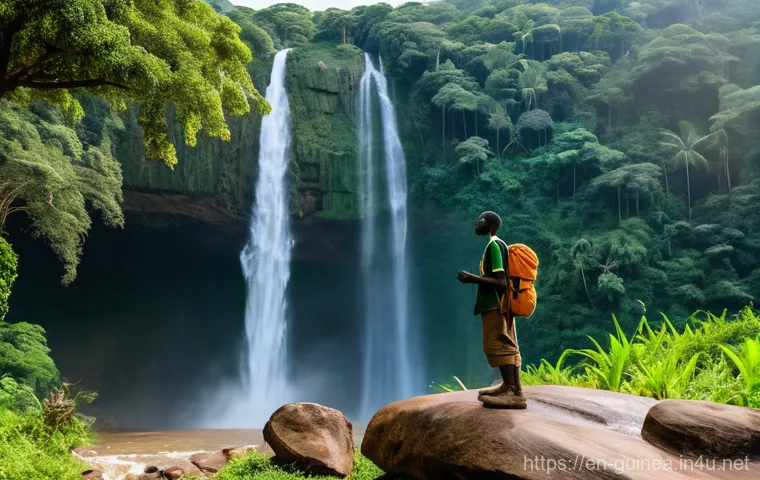
Imagine trekking through the Fouta Djallon highlands, seeing cascading waterfalls, and staying in a community-run eco-lodge built with sustainable materials.
These aren’t just comfortable places to sleep; they’re integral to the local economy, powered by renewable energy, and they minimize environmental impact.
I loved that feeling of truly immersing myself in local life – participating in traditional craft demonstrations, sharing meals with families, and even trying out some local drumming classes.
It’s not just a vacation; it’s an educational and cultural exchange, fostering mutual respect and appreciation. And, of course, the guided treks led by trained naturalists are incredible, teaching you about the ecosystems and the ongoing conservation efforts.
Investing in the Future: Economic Benefits for Communities
The beauty of sustainable eco-tourism, from my perspective, is that it creates a direct link between protecting nature and improving human lives. When tourists visit, their money directly supports the local people who are living near these precious habitats.
This could be through employment as guides, porters, or staff in eco-lodges, or by purchasing local crafts and produce. It gives communities a tangible reason to protect their forests and wildlife – because their livelihoods now depend on it.
I’ve seen this ripple effect firsthand: a village that benefits from tourism is more likely to engage in anti-poaching efforts and sustainable resource management.
It’s a win-win, really. It empowers local people, gives them a stake in conservation, and ensures that the economic benefits of tourism stay within the community, counterbalancing the pressures of modern development.
| Species | Conservation Status (IUCN) | Primary Threats in Guinea | Key Habitats in Guinea |
|---|---|---|---|
| Western Chimpanzee | Critically Endangered | Habitat loss (agriculture, mining, logging), illegal wildlife trade (bushmeat, pets) | Dry & moist lowland tropical forests, savanna woodlands, mixed gallery forests (e.g., Upper Niger National Park, Bossou Hills Reserve) |
| Pygmy Hippopotamus | Endangered | Habitat loss (logging, farmland conversion), poaching for bushmeat | Forests and swamps near rivers/streams, dense vegetation (e.g., Ziama Massif) |
| African Forest Elephant | Critically Endangered | Poaching for ivory, habitat loss (mining, logging) | Upland forests (e.g., Ziama Reserve) |
| Giant Ground Pangolin | Endangered | Illegal wildlife trade (bushmeat, traditional medicine) | Forests, savanna woodlands |
A Call to Action: How You Can Support Guinea’s Natural Heritage
After experiencing Guinea’s incredible natural beauty and meeting the dedicated people working to protect it, I feel compelled to share how everyone can play a part.
This isn’t just about conservation far away; it’s about global responsibility. Our choices, even seemingly small ones, can have a profound impact. I’ve always believed that awareness is the first step, but action is what truly drives change.
If we want future generations to witness the magic of Guinea’s wildlife, we need to step up now. It’s a chance to be part of something bigger, to contribute to the preservation of one of Earth’s most vital biodiversity hotspots.
Making Conscious Choices: Supporting Ethical Travel and Products
If you’re dreaming of visiting West Africa, consider Guinea, and choose eco-friendly operators who prioritize sustainable practices. Look for lodges and tour companies that actively support local communities and reinvest profits into conservation efforts.
Your travel choices literally cast a vote for responsible tourism. Beyond travel, think about the products you consume. Understand where your goods come from, especially things like palm oil, timber, or minerals, as their production can directly impact fragile ecosystems in places like Guinea.
Being a more informed consumer creates pressure for ethical sourcing and sustainable practices worldwide. It’s about being mindful and letting your wallet support the values you believe in.
Spreading the Word: Advocacy and Engagement
I truly believe that one of the most powerful things any of us can do is to simply talk about it. Share stories about Guinea’s incredible wildlife, its unique beauty, and the struggles it faces.
The more people who are aware, the more voices there are to advocate for its protection. Follow conservation organizations working in the region and share their stories on social media.
Engage in conversations, write to your representatives, or even support fundraising campaigns. Every single person who understands and cares adds to the collective power that can influence policy, provide funding, and ultimately ensure that Guinea’s wild heart continues to beat strong for generations to come.
Wrapping Up Our Wild Journey
Whew, what an incredible journey we’ve taken through the wild heart of Guinea! It’s truly a place that grabs hold of you, a vibrant tapestry of life and breathtaking landscapes. My hope is that by sharing my experiences and diving deep into the challenges and triumphs of its conservation, you’ve felt a connection to this remarkable corner of our planet. It’s more than just beautiful scenery; it’s a living, breathing testament to nature’s resilience, and a powerful reminder of our collective responsibility to protect it. Let’s keep the conversation going and make sure Guinea’s incredible wildlife story continues for generations to come.
Handy Tips for the Eco-Conscious Explorer
1. If you’re considering a trip to West Africa, put Guinea on your radar! Seek out local, community-run eco-lodges and tour operators. They often have the most authentic experiences and directly contribute to local livelihoods and conservation efforts. Research thoroughly before you book!
2. Pack light and wisely. Remember that resources can be scarce in remote areas, so be mindful of your water and electricity consumption. Bring reusable water bottles and minimize plastic waste to help preserve Guinea’s pristine environments.
3. Engage with local communities respectfully. Learning a few basic phrases in French or local languages like Susu or Fula can go a long way in fostering connections. Always ask permission before taking photos, especially of people.
4. Be a responsible consumer at home. Educate yourself on the origins of products like palm oil, timber, and minerals. Supporting sustainably sourced goods reduces the pressure on vital habitats like Guinea’s forests, even if you’re thousands of miles away.
5. Spread the word! Share stories about Guinea’s incredible biodiversity and the challenges it faces. Follow and support reputable conservation organizations working on the ground there. Every voice that speaks up for nature makes a difference.
Key Takeaways from Guinea’s Wild Side
Guinea is a critically important biodiversity hotspot, home to endangered species like Western chimpanzees, pygmy hippos, and African forest elephants, many of which are often overlooked. While facing significant threats from deforestation, mining, and the illegal wildlife trade, there’s growing hope through dedicated conservation efforts, the establishment of protected areas, and empowering local communities. Sustainable eco-tourism offers a viable path to economic development that directly supports conservation, providing an alternative to destructive practices. By increasing awareness, making conscious travel choices, and supporting ethical practices, we can all contribute to safeguarding Guinea’s precious natural heritage for the future.
Frequently Asked Questions (FAQ) 📖
Hey there, fellow adventurers and nature enthusiasts! You know, sometimes I look back at my travels and realize certain places just leave an indelible mark on your soul.
West Africa, particularly the Republic of Guinea, truly holds a special place in my heart, and let me tell you why: its utterly incredible wildlife. Many people think of other African nations for safaris, but Guinea?
It’s a hidden gem, a real biodiversity hotspot that’s often overlooked, and that’s precisely what makes it so magical. I’ve personally been so captivated by the sheer variety of life there, from the vibrant bird species painting the skies to the elusive forest elephants that roam its dense, humid forests.
What really excites me about Guinea’s natural world is the raw, untamed beauty you encounter. Imagine traversing lush rainforests and expansive savannas, knowing you’re in one of the world’s most vital biodiversity strongholds, a place where pygmy hippos make their homes and critically endangered Western chimpanzees thrive.
However, it’s not all sunshine and perfect pictures; this incredible ecosystem faces real, pressing challenges. Issues like deforestation driven by agriculture, the impact of mining, and the persistent threat of illegal wildlife trade are constantly at play, making conservation efforts more crucial than ever.
But here’s the hopeful part: there’s a growing buzz around sustainable eco-tourism, aiming to protect these precious habitats while empowering local communities.
If you’re anything like me, you’re probably eager to delve deeper into this captivating world, exploring the unique creatures that call Guinea home and understanding the delicate balance of their existence.
So, let’s journey together and uncover the fascinating secrets of Guinea’s wild heart. You won’t believe what we’re about to discover.
A3: Absolutely! From my own travels, I can tell you that Guinea is an incredibly rewarding destination for eco-tourism, especially for those who appreciate off-the-beaten-path adventures.
It’s still in its early stages, which to me, makes it even more special and authentic. The country offers a stunning array of natural wonders, from the picturesque Fouta Djallon plateau with its cascading waterfalls to pristine coastlines and dense rainforests, all brimming with diverse wildlife.
You can explore wildlife reserves like the Upper Niger National Park, Badiar National Park, and Mount Nimba Strict Nature Reserve, where knowledgeable guides can introduce you to chimpanzees, hippos, various bird species, and other unique flora and fauna.
It’s not just about seeing animals; it’s about experiencing the raw beauty and understanding the precariousness of their survival. As a traveler, your choices make a huge difference!
By opting for eco-friendly accommodations, supporting local businesses, and choosing certified eco-tour operators who reinvest profits into conservation, you directly contribute to protecting these habitats and empowering local communities.
Engaging with local artisans, learning traditional crafts, or participating in community-run initiatives helps foster mutual respect and provides sustainable livelihoods, reducing pressure on natural resources.
It’s a beautiful way to immerse yourself in the culture while actively safeguarding Guinea’s wild heart for generations to come. Trust me, it’s an experience you won’t soon forget!