You know that exhilarating feeling when you snag an incredible deal, finding that perfect item without breaking the bank? If you’re anything like me, that’s a joy hard to beat!
In Guinea, the world of used goods isn’t just about saving a few Guinean Francs; it’s a vibrant blend of culture, community, and smart trading. From bustling local markets overflowing with unique finds to a rapidly expanding online scene that’s making connections easier than ever, there’s an entire universe of pre-loved items just waiting to be discovered.
But, trust me, successfully navigating this landscape requires a little insider know-how—from mastering polite bargaining in places like the bustling markets of Conakry to identifying those truly valuable treasures online via platforms such as Marche.gratis.
I’ve personally experienced the thrill and the occasional challenge, learning how crucial it is to understand local customs and the art of negotiation.
This isn’t just commerce; it’s about sustainable living, finding stories in objects, and building relationships within the community. So, whether you’re looking for a vintage piece of furniture, a reliable used car, or simply want to declutter, understanding the nuances can turn a simple transaction into a memorable adventure.
Let’s explore exactly how to master buying and selling used items here in Guinea, ensuring every transaction is a rewarding one!
Hunting for Hidden Gems in Conakry’s Markets

The Magnetic Pull of Madina and Beyond
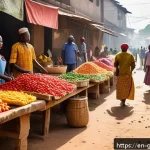
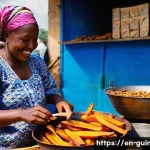
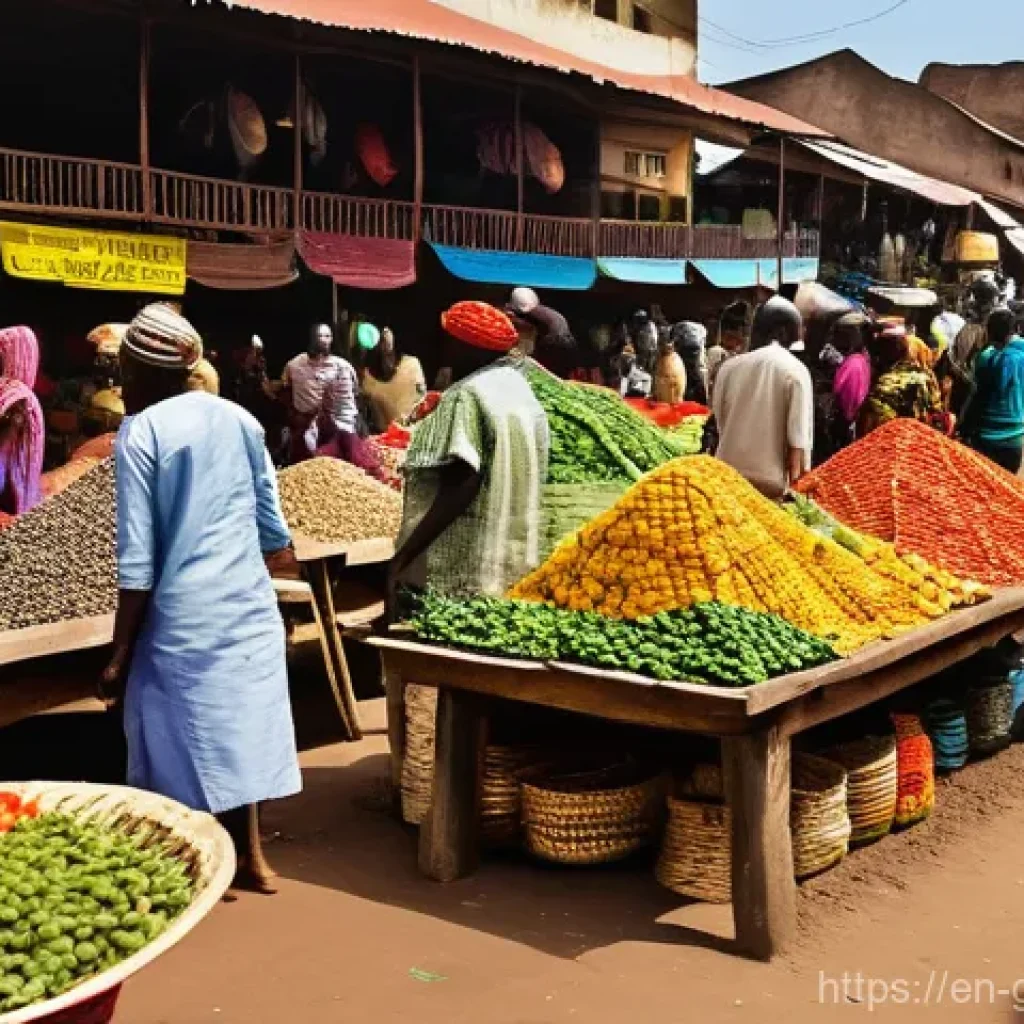
There’s absolutely nothing quite like the energy of a bustling African market, and in Guinea, Conakry’s Madina Market is truly an experience in itself. From the moment you step foot into its vibrant chaos, you’re enveloped in a symphony of sights, sounds, and smells. I remember my first visit, feeling a mix of awe and slight overwhelm as I navigated through narrow aisles overflowing with everything imaginable. This isn’t just a place to buy and sell; it’s the beating heart of commerce, a cultural crossroads where stories are exchanged along with Guinean Francs. You can literally find anything here, from fresh produce that makes your mouth water to intricately patterned Malinke fabrics, hand-carved wooden statues, musical instruments like djembes, and, yes, a massive array of used clothing and electronics. It’s incredible how many university graduates make their living here, selling everything from pre-loved shoes to second-hand electronics. The sheer volume and variety are astounding, and it’s where many of the best deals for quality used goods are made. Beyond Madina, other markets like Marché Nigel also offer a treasure trove of affordable items, often with a slightly cleaner and more organized feel. I’ve personally walked away with some fantastic finds, from unique decorative pieces to surprisingly good quality pre-owned clothing that still had plenty of life left in them. It’s a test of patience, observation, and a good sense of humor, but the rewards are truly worth the effort.
Decoding the Art of Local Haggling
Now, let’s talk about the unspoken rule of these markets: bargaining. If you’re new to this, it might feel a little intimidating, but trust me, it’s part of the fun and absolutely expected. Think of it less as a confrontation and more as a friendly dance, a way to connect with the seller. I’ve learned that a warm smile and a polite greeting in French or a local dialect can go a long way. Sellers often start with a higher price, anticipating that you’ll negotiate. My personal strategy? I usually check out a few different stalls selling similar items to get a baseline price. Then, I decide what I feel is a fair value for the item in question. When I make my offer, I do it respectfully, sometimes even with a bit of humor. The key is to be patient, not rush the process, and never appear too desperate for an item. There have been times when I’ve politely walked away, only for the seller to call me back with a better offer that was closer to what I had in mind. It’s a delicate balance, but when you strike that perfect deal, the satisfaction is immense. It’s not just about saving money; it’s about engaging in the local custom and building a temporary rapport, which, to me, is part of the magic of shopping here.
Navigating Guinea’s Digital Classifieds Landscape
Your Go-To Online Platforms: Marche.gratis and More
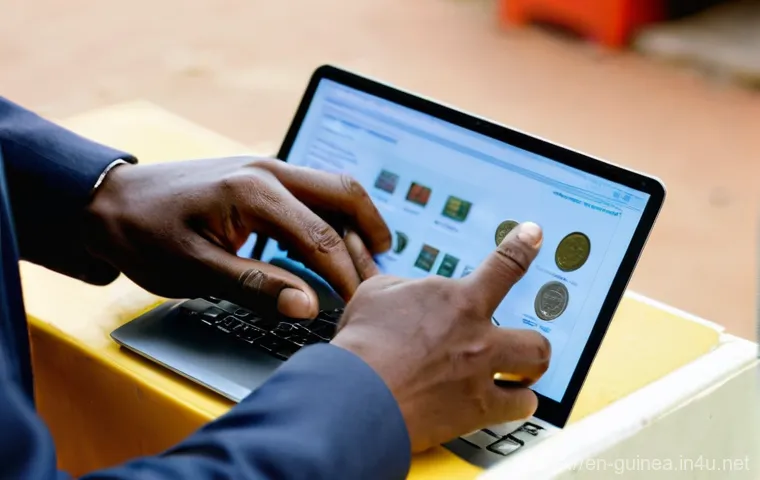
While the traditional markets hold an undeniable charm, Guinea’s online landscape for used goods is rapidly expanding, offering a whole new dimension to buying and selling. For me, the convenience of browsing from my couch is a huge plus, especially when I’m looking for something specific. Marche.gratis, for instance, has become a powerhouse in Guinea, touted as the largest free online marketplace. It’s a goldmine for everything from vehicles like cars and motorcycles to real estate, a vast array of electronics, and even job postings and various services. I’ve spent countless hours scrolling through listings, often finding items that would be much harder to locate in the physical markets. Beyond Marche.gratis, platforms like MrKaka and Rebuydeal also provide excellent avenues for posting and finding classifieds, making it easier than ever to connect with buyers and sellers across the country. What I love about these sites is the sheer variety. Whether you’re hunting for a used smartphone, a piece of furniture, or even a specific part for a car, there’s a good chance you’ll find a listing for it. It feels like the internet has brought the vastness of Madina Market right to our fingertips, allowing us to explore without the hustle and bustle.
Smart Shopping & Staying Safe Online
Just like in any online transaction anywhere in the world, a little caution goes a long way when using Guinea’s online classifieds. My golden rule is “buyer beware,” a principle that applies across the board, whether you’re in a physical market or online. While these platforms are generally safe, it’s crucial to take steps to protect yourself. I always try to communicate directly with sellers through the app’s chat feature or a secure messaging service to ask detailed questions and request more photos. If possible, I arrange to meet sellers in a public, well-lit place during daylight hours, especially for larger items, and I always bring a friend along. When inspecting an item, I’m thorough – checking electronics to see if they power on, examining furniture for structural damage, and so on. Cash is king in Guinea, even for many online transactions, and it’s often the preferred payment method, so it’s good to be prepared. For significant purchases, I always consider the logistics of transportation beforehand. It’s about balancing the excitement of a potential deal with a healthy dose of vigilance. The internet has certainly made our lives easier, but it hasn’t replaced common sense!
The Thrill of the Deal: Mastering Guinean Negotiation
Beyond the Price: Building Rapport and Respect
Negotiation in Guinea, much like in many parts of West Africa, is an intricate dance that extends far beyond just the final price. It’s a cultural interaction, a chance to build a fleeting but meaningful connection with another person. I’ve found that showing genuine interest in the seller, asking about their day, or even a simple compliment on their goods, can open doors to a much more pleasant and often successful negotiation. This isn’t about being overly aggressive or trying to “win” at all costs; it’s about mutual respect. Guinean culture places a high value on friendship and trust, and while a market transaction is transient, these underlying principles still subtly guide interactions. When I approach a negotiation, I make it a point to maintain a friendly demeanor, often starting with a bit of small talk. This helps to ease any initial tension and establish a more personal rapport. In my experience, a seller is far more likely to be flexible on price if they feel you’re engaging with them as a person, not just a customer. It’s this human touch that transforms a simple transaction into a memorable cultural exchange, making the experience of buying secondhand goods in Guinea so uniquely rewarding.
Tactics for a Fair and Friendly Exchange
So, how do you actually get to a price that feels fair for both parties? Over time, I’ve developed a few tactics that seem to work well, always keeping that respectful and friendly tone in mind. Firstly, never reveal how much you truly desire an item too early; a casual interest is your best friend. Secondly, do your homework! If you’re interested in, say, a traditional mask, try to observe what other vendors are selling similar items for. This gives you an “anchor” price in your mind. When you make your counter-offer, aim for something a bit lower than your ideal price, giving both of you room to move. It’s like a gentle back-and-forth volley until you meet in the middle. I’ve even tried offering to buy multiple items from the same vendor to leverage a better overall price, and that often works like a charm! And finally, never be afraid to walk away. If the price isn’t right after a few rounds of negotiation, a polite “thank you, maybe another time” and a step towards leaving can often prompt a seller to offer their absolute best price. It’s a dance, really, and once you get the rhythm, it’s incredibly satisfying to secure a good deal while leaving both you and the seller feeling good about the exchange.
From Clutter to Cash: A Seller’s Journey in Guinea
Preparing Your Items for Their Next Chapter
If you’re anything like me, you probably have a few things lying around that you no longer need but are still perfectly good for someone else. Turning that clutter into cash is incredibly satisfying, especially here in Guinea where the secondhand market is so active. The first step, and honestly, one of the most crucial, is preparing your items. For clothing, a good wash and iron can make a huge difference in presentation. For electronics, make sure they’re clean, functional, and that you have all the necessary accessories or chargers. If there are any minor flaws, be honest about them – transparency builds trust, which is invaluable. I always try to put myself in the buyer’s shoes: what would make me want to buy this item? Good lighting for photos is a non-negotiable, and clear, concise descriptions are key. You’d be surprised how much better an item looks with a bit of effort. Think about it: a well-presented item not only fetches a better price but also sells faster. It’s all about giving your pre-loved possessions the best possible chance to find a new, happy home. I’ve learned that a little bit of elbow grease upfront saves a lot of hassle later on.
Pricing Right and Connecting with Buyers
Once your items are looking their best, the next challenge is pricing them strategically and getting them in front of the right buyers. When it comes to pricing, I usually do a quick “market research” online on platforms like Marche.gratis or even by observing prices in local markets. This helps me understand the going rate for similar items in their condition. It’s often a balance between what you hope to get and what buyers are willing to pay. Starting slightly higher than your absolute minimum gives you room to negotiate, which, as we’ve discussed, is a core part of the Guinean buying experience. For selling, online classifieds are a godsend. Marche.gratis and MrKaka allow you to post free ads, reach a wide audience, and even interact with potential buyers through in-app chats. What I’ve found most effective is being responsive to inquiries and offering flexibility for viewing times. Remember, good communication can significantly speed up a sale. And don’t forget the power of local word-of-mouth! Sometimes, simply telling friends, family, and colleagues what you’re selling can lead to a quick transaction. It’s a fantastic way to extend the life of your possessions, earn some extra Guinean Francs, and contribute to a more sustainable consumption cycle.
What to Look For: Treasures and Traps
Spotting Authenticity and Quality
One of the most exciting parts of diving into the secondhand market, especially in a place as rich in culture as Guinea, is the potential to unearth true treasures. I’ve heard countless stories, and experienced a few myself, of finding incredibly unique and valuable items for a fraction of their original cost. When I’m out hunting, whether online or in the vibrant stalls of Madina, my eyes are always peeled for quality. For traditional crafts like masks, wooden statues, or Malinke fabrics, I look for signs of genuine craftsmanship – the details in the carving, the richness of the dyes, and the overall artistry. It’s about understanding what makes a piece authentic and not just a tourist replica. For electronics or household items, functionality is paramount, of course, but I also check for durability and signs of good maintenance. Don’t be shy about thoroughly inspecting an item; turn it over, test its functions, and if buying clothing, check seams and fabric condition. It’s this meticulous inspection that often reveals whether an item is a true find or merely a fleeting fancy. Trust your instincts, but also trust your hands and eyes!
Common Pitfalls and How to Avoid Them
Every treasure hunt has its potential pitfalls, and the secondhand market in Guinea is no exception. It’s easy to get swept up in the excitement, but being aware of common traps can save you both money and frustration. One of the most frequent issues I’ve encountered, especially for new buyers, is inflated prices, particularly if you appear to be a tourist. This goes back to the importance of bargaining and doing your preliminary research. Another pitfall is the condition of an item. Sometimes, what looks good in a quick glance might have hidden defects. Always test electronics thoroughly before buying them and don’t hesitate to ask questions about an item’s history. For example, if you’re buying a used phone, check if it’s unlocked and fully functional. I’ve also learned to be wary of individuals who push for quick, off-platform transactions, or who are reluctant to meet in a public place. While instances of outright scams are rare, it’s always better to err on the side of caution. Remember the principle of “buyer beware”, and don’t feel pressured to buy something if it doesn’t feel right. Your peace of mind is worth more than any potential bargain.
Embracing Sustainable Living, One Item at a Time
The Eco-Friendly Side of Secondhand
Beyond the undeniable financial benefits, buying and selling used items in Guinea taps into something far more profound: a commitment to sustainable living. It’s a philosophy that I’ve increasingly embraced, and it feels especially relevant in a country where resourcefulness is a way of life. Every time we choose a pre-loved item over something new, we’re actively reducing waste, conserving resources, and lessening our environmental footprint. Think about all the energy, water, and raw materials that go into producing new clothes, electronics, or furniture. By giving these items a second (or third, or fourth!) life, we’re extending their utility and keeping them out of landfills. It’s a small act, but when multiplied across a community, the impact is significant. I personally feel a sense of pride when I find a great used item because I know I’m not only getting a good deal, but I’m also doing my part for the planet. It’s a win-win situation that benefits both my wallet and the environment, and it’s a lifestyle I encourage everyone to consider. This circular economy isn’t just a trend; it’s a vital movement, and Guinea’s thriving secondhand market is a fantastic example of it in action.
Community Connections Through Commerce
What truly elevates the experience of buying and selling used goods in Guinea for me is the deep sense of community it fosters. It’s not just about transactions; it’s about interactions, conversations, and sometimes, even forming lasting relationships. I’ve made friends with vendors in the markets, shared laughs over a good-natured haggle, and connected with fellow enthusiasts on online platforms. These exchanges build bridges, transforming what could be impersonal commerce into something much richer and more human. There’s an inherent trust and connection that develops when you’re negotiating face-to-face, or even when you’re simply browsing and chatting about an item. This communal aspect is deeply ingrained in Guinean culture, where personal relationships are often as important as the business itself. It’s about recognizing the value in what someone else no longer needs and passing on something you no longer use to someone who truly can benefit from it. This shared economy strengthens local bonds and reinforces the idea that we are all interconnected. It’s more than just shopping; it’s an active participation in the vibrant tapestry of Guinean life, one used item at a time.
Practical Tips for a Smooth Experience
Essential Tools and Preparations
To really master the art of buying and selling used items in Guinea, a little preparation goes a long way. I’ve learned through experience that having the right tools and knowing a few tricks can make all the difference. Firstly, cash is your absolute best friend, especially in the bustling local markets. The Guinean Franc (GNF) is the local currency, and while some larger hotels might accept USD, cash is king for most transactions outside of those high-end establishments. Make sure to have smaller denominations on hand, as change can sometimes be an issue. For online transactions, a reliable phone with good internet access is crucial for browsing listings, communicating with sellers, and even sharing photos. I also always carry a small backpack or a sturdy reusable bag for my purchases – you never know what treasures you might unearth! And don’t underestimate the power of a charged phone for navigation and quick currency conversions. It sounds simple, but being prepared can turn a potentially stressful outing into an enjoyable and fruitful adventure. I find that when I’m well-equipped, I can focus on the fun of the hunt rather than worrying about logistics.
Logistics: Transportation and Payment Methods
Once you’ve found that perfect used item or successfully sold your own, the practicalities of getting it where it needs to go, and ensuring payment is secure, come into play. For smaller items bought in the market, carrying them yourself or hiring a local boy to help with purchases is common. For larger items like furniture or appliances, especially if you’re buying from an online seller, arranging for your own transportation is almost always necessary. I usually factor in potential transport costs when negotiating the price for bigger items. As for payment, as I mentioned, cash is dominant. While Conakry has some ATMs from banks like Ecobank, VISTA, or UBA, I always recommend using those in secure locations like hotels. Credit cards are rarely accepted outside of major hotels and upscale stores, so don’t rely on them for market or typical secondhand purchases. When selling, agree on the payment method beforehand and ensure you receive the full amount before releasing the item. This might seem obvious, but it’s a simple step that safeguards against potential issues. Being clear and upfront about these logistics with both buyers and sellers creates a much smoother and more trustworthy experience for everyone involved. After all, a successful transaction is one where both parties leave satisfied!
| Category of Used Item | Best Place to Find/Sell (Guinea) | Key Considerations |
|---|---|---|
| Clothing & Accessories | Madina Market, Marche.gratis, MrKaka | Condition is crucial, bargain aggressively in markets, clear photos online. |
| Electronics (Phones, Laptops, TVs) | Madina Market, Marche.gratis, MrKaka | Test functionality thoroughly, check for original accessories, ensure clear ownership online. |
| Vehicles (Cars, Motorcycles) | Marche.gratis, MrKaka, Local Dealers | Physical inspection by a mechanic is highly recommended, verify documents, negotiate extensively. |
| Home & Furniture | Marche.gratis, MrKaka, Local Shops | Inspect for damage/stability, arrange transport, negotiate on price. |
| Traditional Crafts & Art | Madina Market, Artisan Villages | Look for authenticity and unique craftsmanship, bargain with respect. |
Wrapping Things Up
What an adventure it is to navigate the vibrant world of secondhand goods in Conakry, wouldn’t you agree? From the sensory overload of Madina Market to the quiet convenience of online platforms like Marche.gratis, this journey isn’t just about finding a good deal; it’s an immersion into the very soul of Guinean commerce and community. Every negotiation, every discovery, every item given a new lease on life, tells a story. It’s a testament to the incredible resourcefulness of the people here and a wonderful way to embrace a more sustainable lifestyle while connecting with the local culture. I genuinely hope my experiences and tips help you uncover your own treasures and make your next buying or selling endeavor a truly memorable one.
Useful Information to Know
1. Always carry small denominations of Guinean Francs (GNF) when visiting physical markets. While some vendors might accept larger notes, having exact change or smaller bills makes transactions smoother and can even aid in negotiation, as it shows you’re prepared and not overly reliant on the seller for change.
2. For significant purchases, especially online, prioritize meeting in public, well-lit locations during daylight hours. Bringing a trusted friend along adds an extra layer of security and can be helpful for a second opinion on the item or assistance with transportation if you find something bulky and amazing!
3. Haggling is an expected and enjoyable part of the market experience; approach it with a friendly demeanor and a respectful smile. Think of it as a cultural exchange rather than a battle. A few polite French phrases like “Bonjour” and “Merci” can go a long way in building rapport and potentially securing a better price.
4. Thoroughly inspect items before committing to a purchase. For electronics, power them on and test basic functions. For clothing, check seams and fabric condition. Don’t be shy; a careful inspection now saves potential disappointment later, ensuring you get real value for your GNF.
5. Utilize online platforms like Marche.gratis not just for buying, but also for selling your own unused items. It’s an efficient way to declutter, earn some extra cash, and contribute to the local circular economy. Clear photos and honest descriptions are your best tools for a quick and successful sale.
Key Takeaways
Navigating Conakry’s secondhand market, both online and off, is a uniquely enriching experience that combines cultural immersion with practical benefits. My biggest takeaway is the importance of engaging with the process, rather than just the product. Whether you’re a seasoned negotiator or a first-timer, remember that patience, respect, and a good sense of humor are your most valuable assets. Don’t be afraid to ask questions, verify details, and always prioritize your safety, especially when dealing with online transactions. The thrill of finding that perfect item, or successfully rehoming something you no longer need, is truly unparalleled. It’s a wonderful way to practice sustainable living, save some money, and truly connect with the vibrant spirit of Guinea. So go forth, explore, and enjoy the hunt!
Frequently Asked Questions (FAQ) 📖
Q: I’m a bit new to the vibrant market scene in Conakry. How can I confidently navigate the bargaining process for used items without feeling like I’m being unfair or getting taken advantage of?
A: Oh, I totally get that feeling! When I first started exploring the bustling markets here, like the famous Madina Market, the thought of haggling felt a little daunting.
But let me tell you, bargaining in Guinea isn’t just about getting a good price; it’s a vibrant part of the culture, a friendly dance between buyer and seller.
What I’ve found works best is to always approach it with a big smile and a respectful attitude. Start with a warm greeting and maybe a little small talk before even mentioning the item.
When you do make an offer, aim a bit lower than what you’re willing to pay, but not so low that it’s insulting. The vendor will counter, and that’s where the fun begins!
It’s all about polite back-and-forth. I’ve learned to take my time, never rush the process, and sometimes, if you can’t agree on a price, a polite “thank you” and starting to walk away might just lead to them calling you back with a better deal!
Remember, it’s about finding a “win-win” where both you and the seller feel good about the exchange. This connection, this rapport, is often as valuable as the item itself.
Just be mindful that in more established shops or supermarkets, prices are usually fixed, so save your charming negotiation skills for the open-air markets and smaller, independent stalls.
Q: Online shopping for used goods is growing, but how do I find the most reliable platforms in Guinea, and what are your best tips for ensuring a safe and successful online transaction, especially with payment and delivery?
A: It’s true, the digital world for pre-loved items is truly taking off here, and it’s super exciting! Besides the platform mentioned in the intro, Marche.gratis, I’ve seen local spots like Rebuydeal and even Arabinènè becoming quite popular.
Arabinènè, for example, is a fantastic local initiative, offering a marketplace through an Android app and even a delivery service right here in Conakry and nearby!
When I’m looking for something online, I always start by thoroughly checking the seller’s profile, looking for reviews or how long they’ve been active.
My absolute golden rule for safety, especially with used items, is to try and arrange a meeting in a busy, public place during daylight hours whenever possible.
This gives you a chance to inspect the item physically before committing. As for payment, Guinea is still very much a cash-based economy, so cash on delivery is often the most straightforward and secure method for face-to-face transactions.
However, mobile money services like Orange Money are rapidly expanding and becoming a trusted way to send and receive funds. If you’re dealing with a larger item and need delivery, make sure to clearly communicate and confirm all the details, including who covers the transport costs and exact meeting points, to avoid any confusion.
Trust me, a little preparation goes a long way to turning an online browse into a happy acquisition!
Q: Beyond the price, how do I really tell if a used item is a genuine find or just a clever imitation?
A: nd are there any specific cultural pointers I should keep in mind when dealing with sellers in Guinea to build trust and ensure a smooth experience? A3: That’s a brilliant question, because finding those genuine gems is truly what makes buying used items so rewarding!
When I’m hunting for a “treasure,” whether it’s a vintage piece of furniture or an electronic gadget, my first step is always a meticulous inspection.
For electronics, you absolutely must test them. Plug them in, turn them on, and check every function. For furniture, look beyond the surface; check for wobbles, loose joints, and any significant damage that isn’t easily repairable.
With clothing, feel the fabric, check the seams, and look for any unfixable tears or stains. Sometimes, the story behind an item, shared by the seller, can also give you clues to its authenticity and history.
Beyond the item itself, navigating the cultural landscape here is paramount for a smooth and trustworthy transaction. From my own experiences, I can tell you that a polite greeting, a firm handshake, and genuinely inquiring about someone’s well-being before diving into business can make a huge difference.
Guineans truly value respect, patience, and building a personal connection. Avoid being overly direct or confrontational; a softer, more indirect approach works wonders.
If you build that initial trust and show respect for their culture and time, you’ll find sellers are far more willing to be transparent and helpful, transforming a simple purchase into a memorable and heartfelt exchange.
Oh, and one last tip: it’s generally best not to overtly display large sums of money or expensive personal belongings; discretion is always appreciated.